
- High-Performance Doors
-
- Applications
-
-
-
- Clean Room
Stainless steel or composite materials help maintain clean rooms.
-
-
- Coolers
Quick opening speeds & tight seals for temperature control.
-
-
- Parking
Improve security & traffic flow and enhance architectural style.
-
-
- Hurricane Zone
Withstand winds up to 175 mph and comply with the Florida Building Code.
-
-
-
-
- USDA / FDA / cGMP
Increase productivity & address stringent USDA, FDA & cGMP requirements.
-
-
- Freezers
High-speed & perimeter seals minimize the air exchange between areas.
-
-
- Security
High speed & durability ensure secure access.
-
-
- Ventilation
Perforated or screen door panels allow improved air circulation.
-
-
-
-
- Fire Station Emergency Response
When time is of the essence, high speed and reliability are crucial.
-
-
- Warehousing
Fast cycle times and secure seals keep environments separated.
-
-
- Loading Dock
Rugged design & secure seal for oversized openings.
-
-
- Large Openings
Break-away functionality with rugged design seals oversized openings.
-
-
-
-
- Heavy Equipment
Withstands challenges of heavy equipment and fleet truck/car wash environments.
-
-
- Self-Storage
Fast opening speeds and reliable, durable construction keep facilities secure and protected.
-
-
- Industries
-
-
-
- Automotive Dealerships
Reduce energy costs, increase productivity and comfort and enhance customer perception.
-
-
- Cold Storage & Processing
Increase productivity and operational efficiency while reducing energy and maintenance costs.
-
-
- Parking
We offer solutions for Apartment / Condo & Loft, Standalone Parking Facilities and Office Buildings
-
-
-
-
- Food & Beverage
Doors specifically engineered for USDA/FDA and cGMP environments, and assured compliance for uncompromising performance.
-
-
- Mfg/Dist/Warehousing
A complete product line allows facilities to increase efficiency and safety and reduce maintenance and energy costs.
-
-
- Government
Ensure effective security and environmental controls are maintained for critical government operations.
-
-
-
-
- Transit
Keep operations running smoothly and efficient while reducing energy and maintenance costs.
-
-
- Pharma, Nutraceutical & Biotech
Doors that offer quick, secure access, environmental control and reliability for life science facilities.
-
-
- Support Resources
- Parts
- Contact Us
- Blog/News
- Why Rytec
- Sales Rep Locator
- Careers
- Dealers
- Architectural Resources
























Why Choose Quick Coupler Connection for Efficient Workflow?
In today’s fast-paced work environment, efficiency is paramount. The Quick Coupler Connection has emerged as a vital tool in enhancing workflow. This innovative solution simplifies the integration of various tools and equipment, saving time and reducing frustration.
With the Quick Coupler Connection, professionals can swiftly switch attachments without tedious manual procedures. This feature not only boosts productivity but also minimizes downtime on projects. The design ensures that connections are secure and reliable, avoiding the risk of equipment failures.
However, adopting this technology isn’t without its challenges. Some users may initially struggle with the learning curve. Addressing these concerns through proper training and support can enhance the overall experience. Ultimately, the benefits of the Quick Coupler Connection in streamlining operations outweigh the challenges, offering a path to improved efficiency.
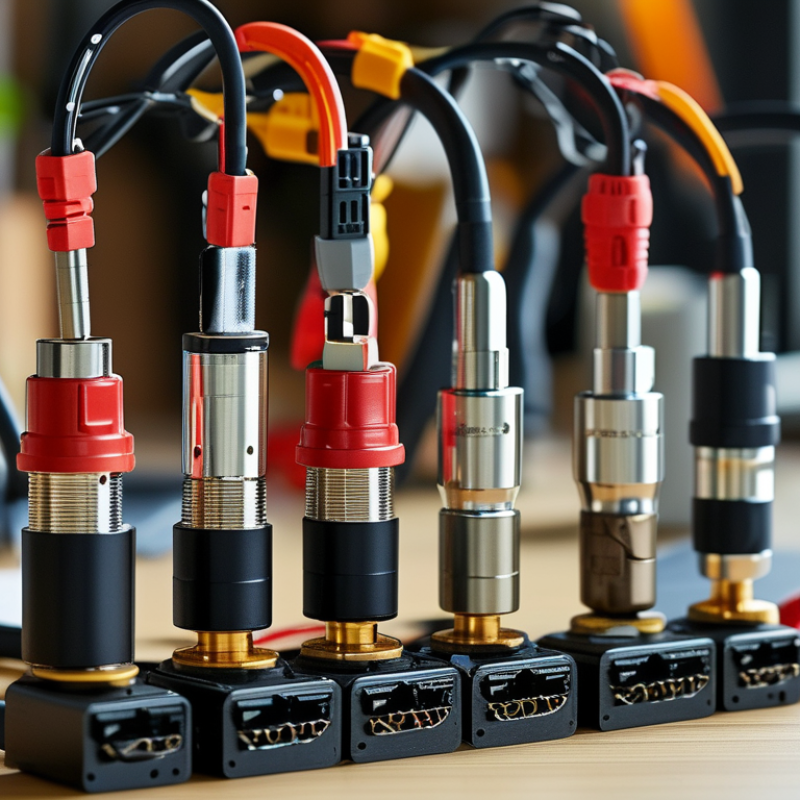
Table of Contents [Hide]
Benefits of Quick Coupler Connection for Workflow Efficiency
Quick coupler connections are pivotal for workflow efficiency in various industries. These connectors enable quick and easy attachment of tools and equipment, saving valuable time during operations. By allowing operators to switch between devices without lengthy setup times, workflow is streamlined, which leads to increased productivity, especially in fast-paced environments where time is money.
Moreover, the reduced downtime offered by quick couplers enhances overall project timelines. Teams can respond promptly to changing demands and challenges. However, it’s essential to ensure proper maintenance of these connectors. Neglect can lead to malfunctions that disrupt workflow. In many cases, operators underestimate the importance of regular checks. An overlooked coupler can create bottlenecks, highlighting the need for diligence.
Another benefit of quick coupler connections is their flexibility. They enable compatibility with various tools, adapting to diverse tasks. Despite this versatility, reliance on a single connector type could be risky. Different projects may require specific connectors to optimize performance. Understanding the limitations and strengths of various couplers is critical for any successful operation.