
- High-Performance Doors
-
- Applications
-
-
-
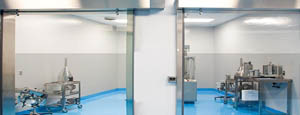
- Clean Room
Stainless steel or composite materials help maintain clean rooms.
-
-
- Coolers
Quick opening speeds & tight seals for temperature control.
-
-
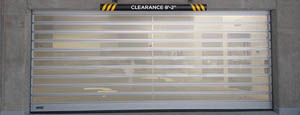
- Parking
Improve security & traffic flow and enhance architectural style.
-
-
- Hurricane Zone
Withstand winds up to 175 mph and comply with the Florida Building Code.
-
-
-
-
- USDA / FDA / cGMP
Increase productivity & address stringent USDA, FDA & cGMP requirements.
-
-
- Freezers
High-speed & perimeter seals minimize the air exchange between areas.
-
-
- Security
High speed & durability ensure secure access.
-
-
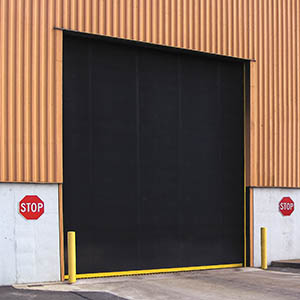
- Ventilation
Perforated or screen door panels allow improved air circulation.
-
-
-
-
- Fire Station Emergency Response
When time is of the essence, high speed and reliability are crucial.
-
-
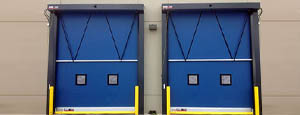
- Warehousing
Fast cycle times and secure seals keep environments separated.
-
-
- Loading Dock
Rugged design & secure seal for oversized openings.
-
-
- Large Openings
Break-away functionality with rugged design seals oversized openings.
-
-
-
-
- Heavy Equipment
Withstands challenges of heavy equipment and fleet truck/car wash environments.
-
-
- Self-Storage
Fast opening speeds and reliable, durable construction keep facilities secure and protected.
-
-
- Industries
-
-
-
- Automotive Dealerships
Reduce energy costs, increase productivity and comfort and enhance customer perception.
-
-
- Cold Storage & Processing
Increase productivity and operational efficiency while reducing energy and maintenance costs.
-
-
- Parking
We offer solutions for Apartment / Condo & Loft, Standalone Parking Facilities and Office Buildings
-
-
-
-
- Food & Beverage
Doors specifically engineered for USDA/FDA and cGMP environments, and assured compliance for uncompromising performance.
-
-
- Mfg/Dist/Warehousing
A complete product line allows facilities to increase efficiency and safety and reduce maintenance and energy costs.
-
-
- Government
Ensure effective security and environmental controls are maintained for critical government operations.
-
-
-
-
- Transit
Keep operations running smoothly and efficient while reducing energy and maintenance costs.
-
-
- Pharma, Nutraceutical & Biotech
Doors that offer quick, secure access, environmental control and reliability for life science facilities.
-
-
- Support Resources
- Parts
- Contact Us
- Blog/News
- Why Rytec
- Sales Rep Locator
- Careers
- Dealers
- Architectural Resources




















Why Choose Inox Coil for Your Next Project?
In recent years, the demand for high-quality materials in construction has surged. A leading expert in the Inox Coil industry, Dr. Emily Chen, emphasizes, "Inox Coil offers unmatched durability and versatility." This sentiment captures why many projects now prioritize Inox Coil.
Inox Coil stands out for its corrosion resistance and strength. Projects that require longevity can significantly benefit from this material. For instance, in coastal areas, buildings using Inox Coil withstand harsh weather. This aspect alone can reduce maintenance costs over time.
However, potential buyers should weigh the initial investment against future savings. While Inox Coil may appear pricier, its long-lasting properties often justify the cost. Those who overlook this material miss opportunities for innovation. Choosing Inox Coil is not just a decision; it is a commitment to quality and sustainability.
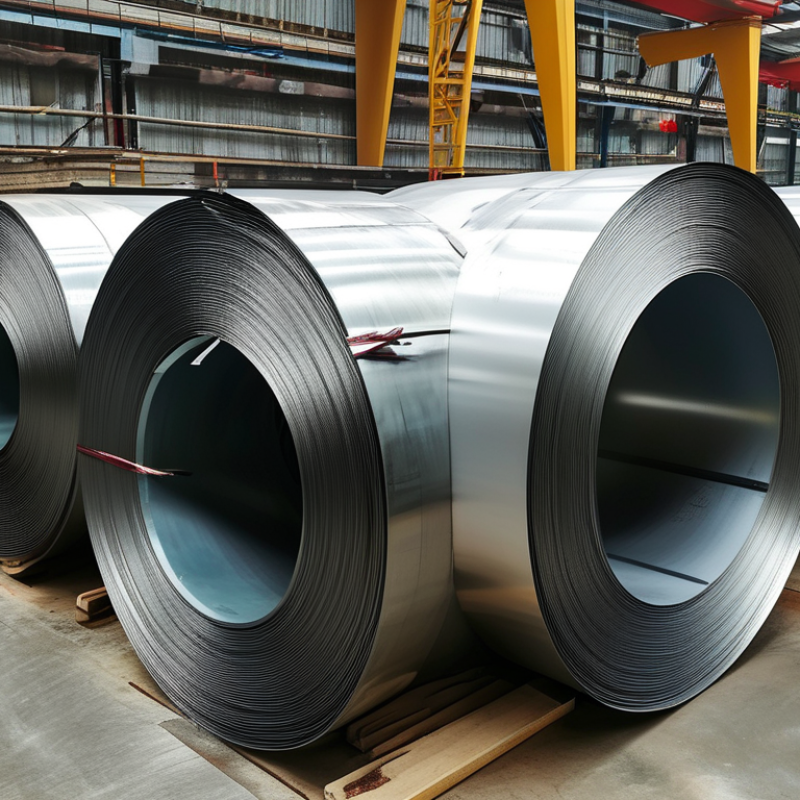
Table of Contents [Hide]
Understanding Inox Coil: Composition and Characteristics
Inox coil, made from stainless steel, stands out for its remarkable durability and versatility. Its composition typically includes iron, chromium, and nickel. This blend offers excellent resistance to corrosion and oxidation. The presence of chromium is crucial; it forms a protective layer on the surface. This layer makes inox coil suitable for various environments, from coastal areas to chemical plants.
The properties of inox coil extend beyond corrosion resistance. Its high-temperature strength means it maintains integrity in extreme conditions. This feature is particularly beneficial in industries like aerospace and automotive. The coil can be manufactured in various thicknesses and finishes, enhancing its applicability in diverse projects. However, understanding these characteristics can be challenging. Some may overlook specific grades of inox steel that better suit their project needs.
While inox coil has impressive qualities, it also demands careful handling and processing. The machining can be tricky, as the material can work harden quickly. Proper equipment and techniques are necessary to avoid issues. It's crucial to partner with skilled professionals who understand the nuances of working with stainless steel. Detailed attention can prevent costly mistakes and ensure optimal outcomes in your projects.