
- High-Performance Doors
-
- Applications
-
-
-
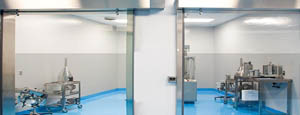
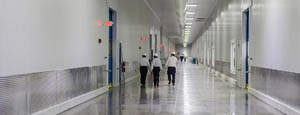
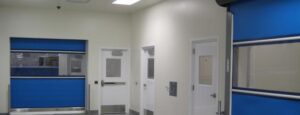
- Clean Room
Stainless steel or composite materials help maintain clean rooms.
-
-
- Coolers
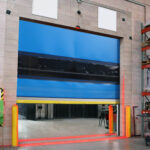
Quick opening speeds & tight seals for temperature control.
-
-
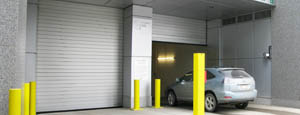
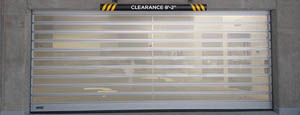
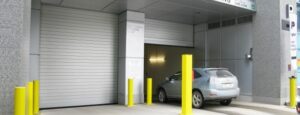
- Parking
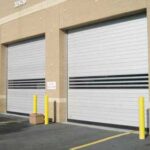
Improve security & traffic flow and enhance architectural style.
-
-
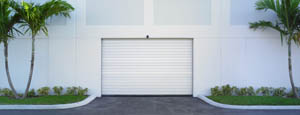
- Hurricane Zone
Withstand winds up to 175 mph and comply with the Florida Building Code.
-
-
-
-
- USDA / FDA / cGMP
Increase productivity & address stringent USDA, FDA & cGMP requirements.
-
-
- Freezers
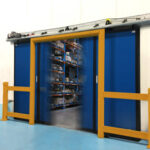
High-speed & perimeter seals minimize the air exchange between areas.
-
-
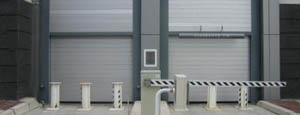
- Security
High speed & durability ensure secure access.
-
-
- Ventilation
Perforated or screen door panels allow improved air circulation.
-
-
-
-
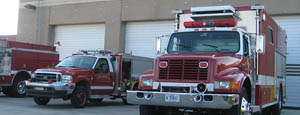
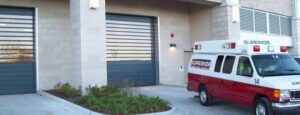
- Fire Station Emergency Response
When time is of the essence, high speed and reliability are crucial.
-
-
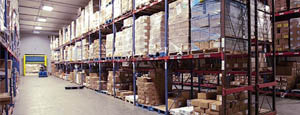
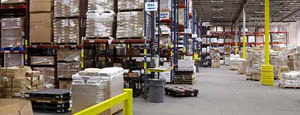
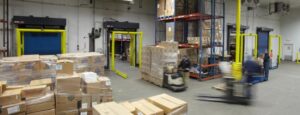
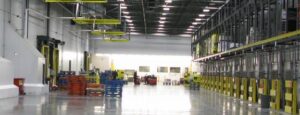
- Warehousing
Fast cycle times and secure seals keep environments separated.
-
-
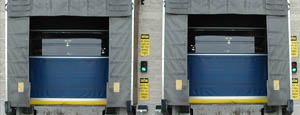
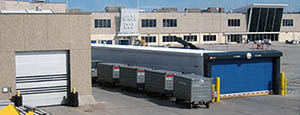
- Loading Dock
Rugged design & secure seal for oversized openings.
-
-
- Large Openings
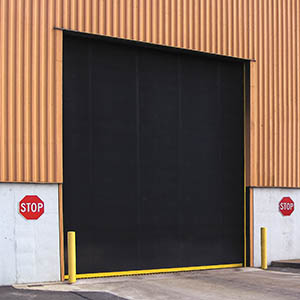
Break-away functionality with rugged design seals oversized openings.
-
-
-
-
- Heavy Equipment
Withstands challenges of heavy equipment and fleet truck/car wash environments.
-
-
- Self-Storage
Fast opening speeds and reliable, durable construction keep facilities secure and protected.
-
-
- Industries
-
-
-
- Automotive Dealerships
Reduce energy costs, increase productivity and comfort and enhance customer perception.
-
-
- Cold Storage & Processing
Increase productivity and operational efficiency while reducing energy and maintenance costs.
-
-
- Parking
We offer solutions for Apartment / Condo & Loft, Standalone Parking Facilities and Office Buildings
-
-
-
-
- Food & Beverage
Doors specifically engineered for USDA/FDA and cGMP environments, and assured compliance for uncompromising performance.
-
-
- Mfg/Dist/Warehousing
A complete product line allows facilities to increase efficiency and safety and reduce maintenance and energy costs.
-
-
- Government
Ensure effective security and environmental controls are maintained for critical government operations.
-
-
-
-
- Transit
Keep operations running smoothly and efficient while reducing energy and maintenance costs.
-
-
- Pharma, Nutraceutical & Biotech
Doors that offer quick, secure access, environmental control and reliability for life science facilities.
-
-
- Support Resources
- Parts
- Contact Us
- Blog/News
- Why Rytec
- Sales Rep Locator
- Careers
- Dealers
- Architectural Resources
How to Choose Hurricane Proof Garage Doors for Maximum Safety
Hurricanes pose a significant threat to properties, especially in coastal areas. Choosing the right **hurricane proof garage doors** can greatly enhance safety and reduce damage risks. According to the National Hurricane Center, winds during hurricanes can exceed 150 mph, causing severe structural failures. Experts recommend that homeowners prioritize durable and tested materials for garage doors.
Mike Johnson, a leading expert in hurricane-resistant building, states, “The right garage door can be the difference between safety and disaster.” His insights emphasize the importance of selecting doors designed to withstand extreme conditions. It's critical to consider not just the materials, but also the installation method and insurance requirements.
While many doors are marketed as “hurricane proof,” the efficacy varies significantly. Understanding how to properly assess these claims is vital. The reality is that not all homes are equipped for extreme weather. Research shows that homes with properly installed hurricane proof garage doors experience 30% less damage. Homeowners must weigh their options carefully, ensuring they invest in true protection against nature's forces.
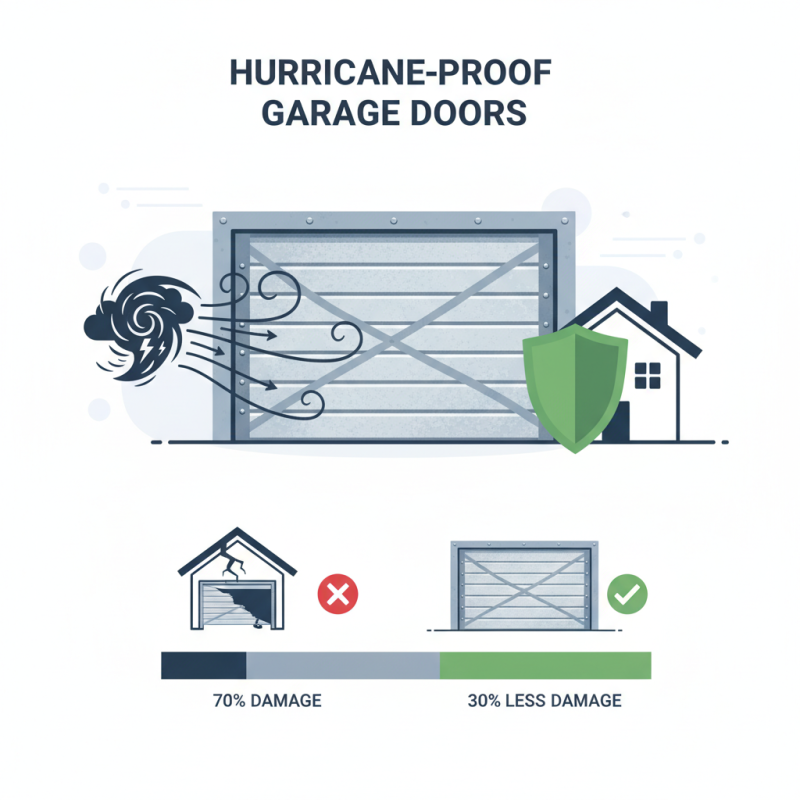
Table of Contents
[Hide]
Understanding the Importance of Hurricane-Proof Garage Doors for Safety
When it comes to safety during hurricanes, garage doors often get overlooked. However, data from the National Hurricane Center shows that in 2020, hurricane damages in the U.S. totaled over $60 billion. Many of these damages result from wind and debris breaching homes through weak garage doors. This makes choosing hurricane-proof garage doors crucial for the safety of your home and family.
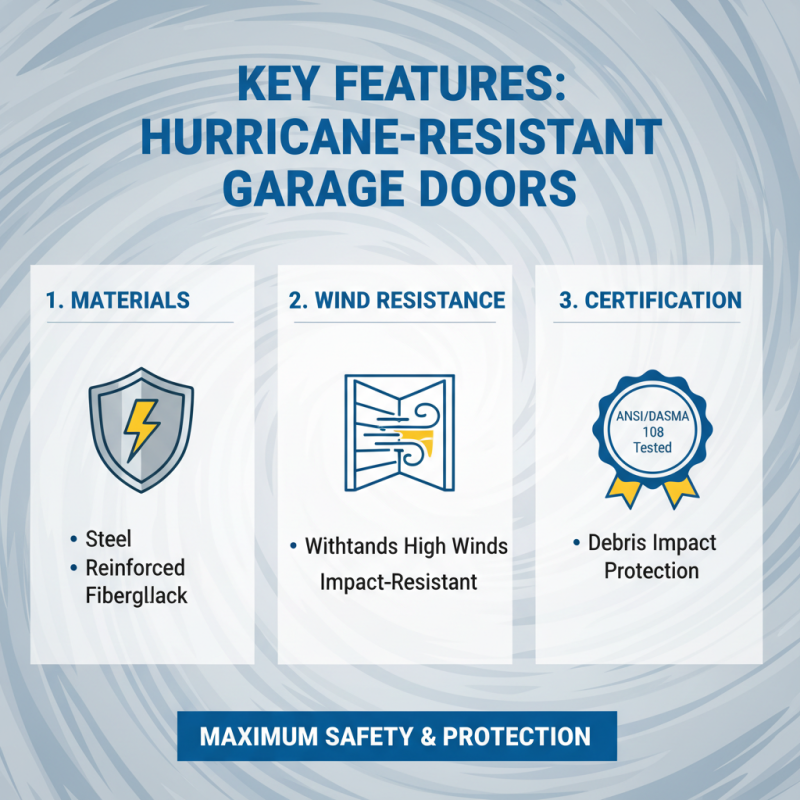
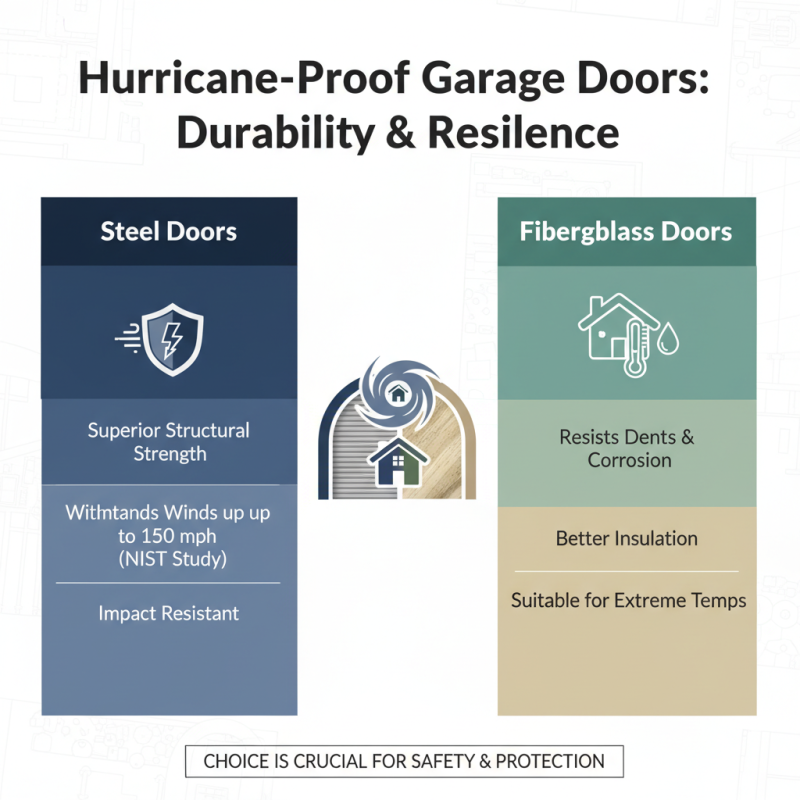
Hurricane-proof garage doors are designed to withstand extreme wind pressures and flying debris. According to the American Society of Civil Engineers, up to 70% of homes without fortified garage doors suffer significant structural damage during hurricanes. Selecting doors that comply with the highest impact-resistant ratings can make a significant difference. It's important to opt for doors made from durable materials like fiberglass or steel, as they provide better resistance against severe weather.
Furthermore, proper installation and maintenance are vital. A door that doesn't close tightly or is poorly sealed can become a weak point. In fact, nearly 30% of homeowners report issues with their garage door seals after extreme weather events. Regular inspection and timely repairs can further enhance your safety measures. Investing in hurricane-proof garage doors isn't just about protecting your assets—it's about ensuring your family remains safe when disaster strikes.
Related Posts
-
2025 How to Protect Your Garage Door from Hurricane Damage Effectively
-
Top 10 Benefits of Hurricane Rated Garage Doors for Homeowners
-
Top 5 Benefits of Installing Hurricane Impact Garage Doors for Your Home
-
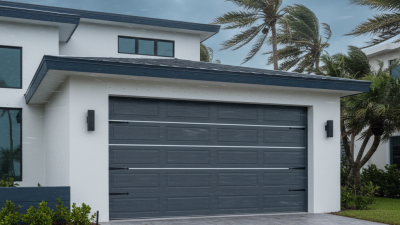
Top 10 Tips for Choosing a Hurricane Rated Garage Door for Your Home
-
What is a Rolling Garage Door and How Does It Work?
-
Best Roll Up Doors for Commercial Use in 2026?