
- High-Performance Doors
-
- Applications
-
-
-
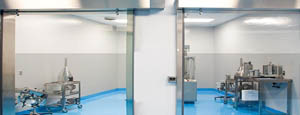
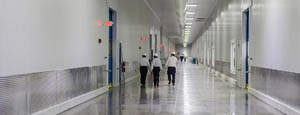
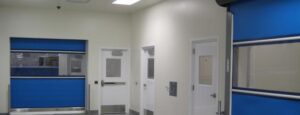
- Clean Room
Stainless steel or composite materials help maintain clean rooms.
-
-
- Coolers
Quick opening speeds & tight seals for temperature control.
-
-
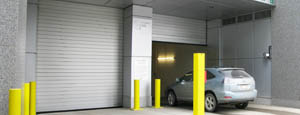
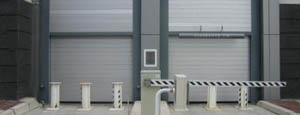
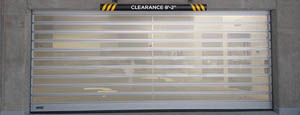
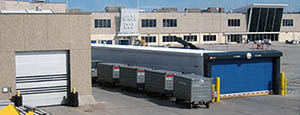
- Parking
Improve security & traffic flow and enhance architectural style.
-
-
- Hurricane Zone
Withstand winds up to 175 mph and comply with the Florida Building Code.
-
-
-
-
- USDA / FDA / cGMP
Increase productivity & address stringent USDA, FDA & cGMP requirements.
-
-
- Freezers
High-speed & perimeter seals minimize the air exchange between areas.
-
-
- Security
High speed & durability ensure secure access.
-
-
- Ventilation
Perforated or screen door panels allow improved air circulation.
-
-
-
-
- Fire Station Emergency Response
When time is of the essence, high speed and reliability are crucial.
-
-
- Warehousing
Fast cycle times and secure seals keep environments separated.
-
-
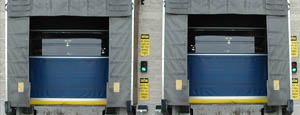
- Loading Dock
Rugged design & secure seal for oversized openings.
-
-
- Large Openings
Break-away functionality with rugged design seals oversized openings.
-
-
-
-
- Heavy Equipment
Withstands challenges of heavy equipment and fleet truck/car wash environments.
-
-
- Self-Storage
Fast opening speeds and reliable, durable construction keep facilities secure and protected.
-
-
- Industries
-
-
-
- Automotive Dealerships
Reduce energy costs, increase productivity and comfort and enhance customer perception.
-
-
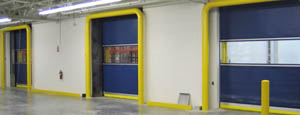
- Cold Storage & Processing
Increase productivity and operational efficiency while reducing energy and maintenance costs.
-
-
- Parking
We offer solutions for Apartment / Condo & Loft, Standalone Parking Facilities and Office Buildings
-
-
-
-
- Food & Beverage
Doors specifically engineered for USDA/FDA and cGMP environments, and assured compliance for uncompromising performance.
-
-
- Mfg/Dist/Warehousing
A complete product line allows facilities to increase efficiency and safety and reduce maintenance and energy costs.
-
-
- Government
Ensure effective security and environmental controls are maintained for critical government operations.
-
-
-
-
- Transit
Keep operations running smoothly and efficient while reducing energy and maintenance costs.
-
-
- Pharma, Nutraceutical & Biotech
Doors that offer quick, secure access, environmental control and reliability for life science facilities.
-
-
- Support Resources
- Parts
- Contact Us
- Blog/News
- Why Rytec
- Sales Rep Locator
- Careers
- Dealers
- Architectural Resources

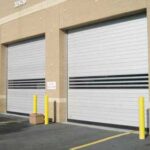
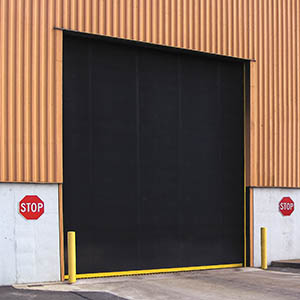







How to Choose the Best Overhead Garage Doors for Your Home?
When selecting the best overhead garage doors for your home, understanding your options is crucial. Overhead garage doors are not merely functional; they can significantly enhance your home's aesthetic and security. According to a recent industry report by the Garage Door Association, the right choice can increase a home’s value by up to 4%. This highlights the importance of making an informed decision.
Expert John Smith, a leading authority in the garage door industry, emphasizes, “Choosing the right overhead garage door is as essential as selecting windows.” His insight underscores the fact that homeowners should prioritize durability, style, and insulation.
In an era of numerous styles and materials, the selection process can be overwhelming. Homeowners often face challenges, such as matching the door with their home’s architecture or understanding the various insulation ratings. Each element of an overhead garage door contributes to its overall performance and aesthetics. Making a choice that reflects both personal taste and functionality requires careful consideration and sometimes, professional guidance.
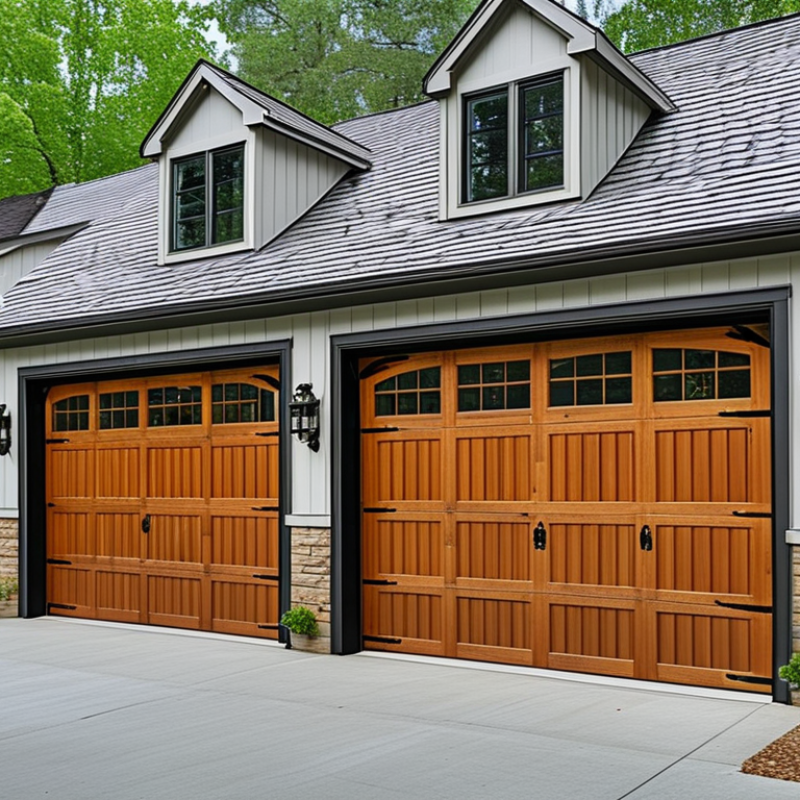
Table of Contents
[Hide]
Types of Overhead Garage Doors Available for Residential Use
When selecting the best overhead garage doors for your home, understanding the types available is essential. There are primarily four types: sectional doors, roll-up doors, tilt-up doors, and slide-to-the-side doors.
Sectional doors feature panels that move up and overhead, typically made from steel or fiberglass. They offer insulation options and various designs that suit many home styles. However, their installation can be tricky for some homeowners.
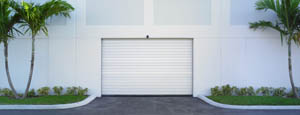
Roll-up doors save space, making them ideal for smaller garages. They consist of a single sheet that rolls into a drum above the opening. While durable and low-maintenance, they might not provide the same level of insulation as sectional doors.
Tilt-up doors are another option; they swing out and up in one piece. This design is less complicated but can require more clearance in your driveway. Finally, slide-to-the-side doors, while less common, can add an interesting architectural touch.
Each door type has its pros and cons. Homeowners should weigh these factors carefully. Installation challenges may arise, and some designs might not fit all garage spaces. It’s crucial to consider your garage’s size and your home’s aesthetic.
Making the right choice can enhance your home's value and functionality. Think about what truly meets your needs.
Related Posts
-
What is the Best Overhead Garage Door for Your Home?
-

How to Choose the Right Rolling Garage Door for Your Home?
-
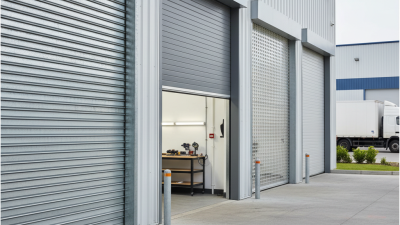
How to Choose the Best Roll Down Door for Your Business?
-
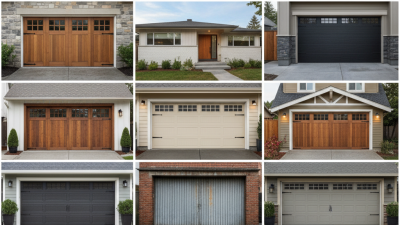
Top 10 Garage Door Styles for Your Home Upgrade?
-
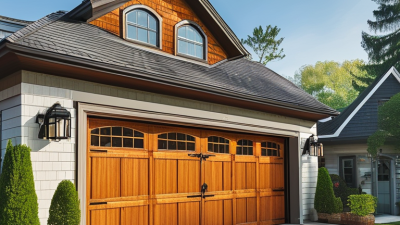
Top 10 Garage Door Tips Every Buyer Should Know?
-
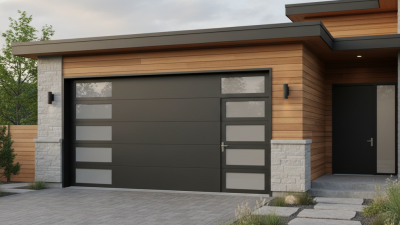
Top Benefits of a Garage Door with Door for Your Home in 2025