
- High-Performance Doors
-
- Applications
-
-
-
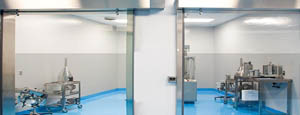
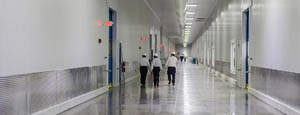
- Clean Room
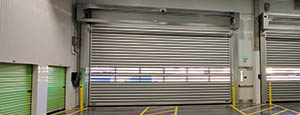
Stainless steel or composite materials help maintain clean rooms.
-
-
- Coolers
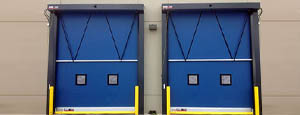
Quick opening speeds & tight seals for temperature control.
-
-
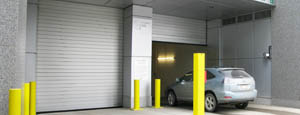
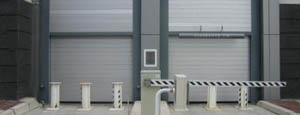
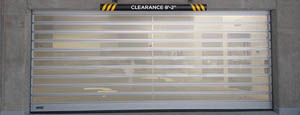
- Parking
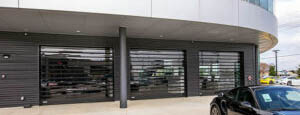
Improve security & traffic flow and enhance architectural style.
-
-
- Hurricane Zone
Withstand winds up to 175 mph and comply with the Florida Building Code.
-
-
-
-
- USDA / FDA / cGMP
Increase productivity & address stringent USDA, FDA & cGMP requirements.
-
-
- Freezers
High-speed & perimeter seals minimize the air exchange between areas.
-
-
- Security
High speed & durability ensure secure access.
-
-
- Ventilation
Perforated or screen door panels allow improved air circulation.
-
-
-
-
- Fire Station Emergency Response
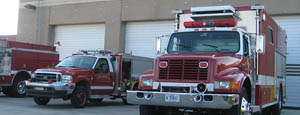
When time is of the essence, high speed and reliability are crucial.
-
-
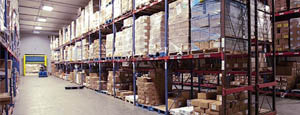
- Warehousing
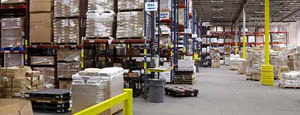
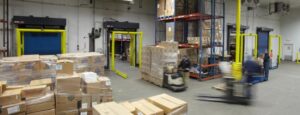
Fast cycle times and secure seals keep environments separated.
-
-
- Loading Dock
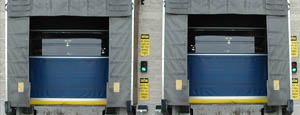
Rugged design & secure seal for oversized openings.
-
-
- Large Openings
Break-away functionality with rugged design seals oversized openings.
-
-
-
-
- Heavy Equipment
Withstands challenges of heavy equipment and fleet truck/car wash environments.
-
-
- Self-Storage
Fast opening speeds and reliable, durable construction keep facilities secure and protected.
-
-
- Industries
-
-
-
- Automotive Dealerships
Reduce energy costs, increase productivity and comfort and enhance customer perception.
-
-
- Cold Storage & Processing
Increase productivity and operational efficiency while reducing energy and maintenance costs.
-
-
- Parking
We offer solutions for Apartment / Condo & Loft, Standalone Parking Facilities and Office Buildings
-
-
-
-
- Food & Beverage
Doors specifically engineered for USDA/FDA and cGMP environments, and assured compliance for uncompromising performance.
-
-
- Mfg/Dist/Warehousing
A complete product line allows facilities to increase efficiency and safety and reduce maintenance and energy costs.
-
-
- Government
Ensure effective security and environmental controls are maintained for critical government operations.
-
-
-
-
- Transit
Keep operations running smoothly and efficient while reducing energy and maintenance costs.
-
-
- Pharma, Nutraceutical & Biotech
Doors that offer quick, secure access, environmental control and reliability for life science facilities.
-
-
- Support Resources
- Parts
- Contact Us
- Blog/News
- Why Rytec
- Sales Rep Locator
- Careers
- Dealers
- Architectural Resources
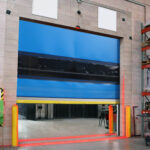
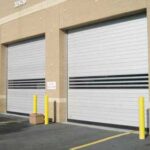
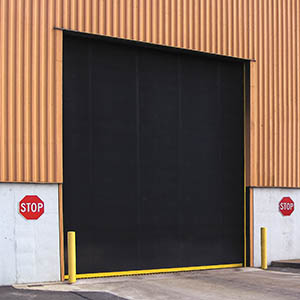
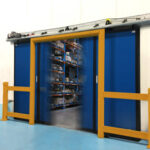




China Best Track Slide Roller Manufacturer for Global Buyers?
Choosing a China Best Track Slide Roller Manufacturer for Global Buyers? The decision requires more than a competitive quotation. It demands evidence of material control, machining accuracy, heat-treatment consistency, and field performance. A Track Slide Roller may look simple on a crawler undercarriage, yet it carries repeated loads, vibration, mud, and temperature changes. Small dimensional errors can create uneven wear, abnormal noise, and expensive downtime.
Industry reports support this wider perspective. Mordor Intelligence’s Construction Equipment Market report identifies Asia-Pacific as a major growth region, driven by infrastructure investment and equipment demand. Off-Highway Research also tracks China as one of the world’s most important construction equipment markets. These findings explain China’s strong manufacturing capacity, but they do not automatically prove supplier quality. Production scale is useful. Traceability matters more.
Reliable global buyers should examine steel certificates, hardness records, seal design, load testing, and batch-level inspection reports. ISO 9001 certification can support process control, although certification alone is not a performance guarantee. Ask for sample measurements, coating details, packaging photographs, and references from comparable machines. A serious manufacturer should explain its tolerances clearly, not hide behind general claims.
There is no perfect supplier.
Even experienced buyers can overlook lubrication conditions or installation errors. A thoughtful sourcing process combines factory audits, independent inspection, and controlled field trials. China offers strong value and technical depth, but the right Track Slide Roller manufacturer must demonstrate repeatable quality, responsive engineering, and dependable export support. The final choice should be based on verified evidence, not only price or polished marketing language.
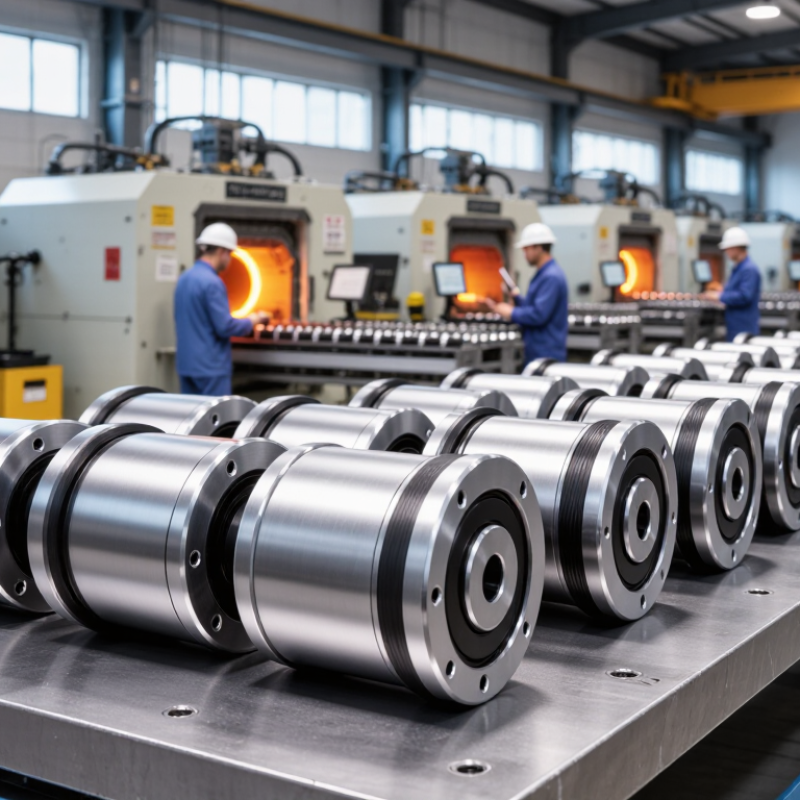
Table of Contents [Hide]
What Is a Track Slide Roller and How Does It Work?
A track slide roller is a rolling element that moves along a hardened track or guide rail. It usually contains a stud, outer ring, bearings, and seals. Unlike a sliding pad, the roller converts most surface friction into rolling contact. This reduces heat, wear, and operating noise. In practical systems, the track carries radial loads while the stud fixes the roller to a carriage or machine frame. Its movement resembles a small wheel following a precise steel road.
During operation, the outer ring rotates against the track. Internal needles or balls distribute the load around the stud. Correct alignment matters. Even a small offset can create edge loading and shorten service life. MarketsandMarkets estimated the global linear motion market at about USD 9.5 billion in 2023. Its report projects approximately USD 13.5 billion by 2028. Definitions vary between reports, so the figures are useful indicators, not absolute facts. For global buyers, a reliable manufacturer should provide load ratings, hardness data, dimensional inspection records, and fatigue-test conditions.
Tips: Match roller diameter, track hardness, speed, and lubrication. Do not select by static load alone. Dust, shock, and poor mounting can change performance sharply. A catalog rating is not a promise. Verify real working conditions. Sealing also deserves attention, especially near metal dust or moisture. Some designs look efficient but fail early because maintenance access was overlooked.