
- High-Performance Doors
-
- Applications
-
-
-
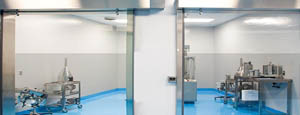
- Clean Room
Stainless steel or composite materials help maintain clean rooms.
-
-
- Coolers
Quick opening speeds & tight seals for temperature control.
-
-
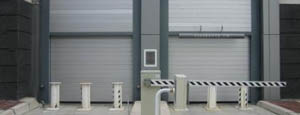
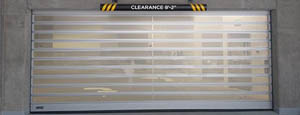
- Parking
Improve security & traffic flow and enhance architectural style.
-
-
- Hurricane Zone
Withstand winds up to 175 mph and comply with the Florida Building Code.
-
-
-
-
- USDA / FDA / cGMP
Increase productivity & address stringent USDA, FDA & cGMP requirements.
-
-
- Freezers
High-speed & perimeter seals minimize the air exchange between areas.
-
-
- Security
High speed & durability ensure secure access.
-
-
- Ventilation
Perforated or screen door panels allow improved air circulation.
-
-
-
-
- Fire Station Emergency Response
When time is of the essence, high speed and reliability are crucial.
-
-
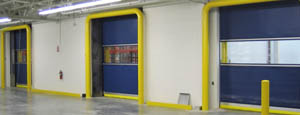
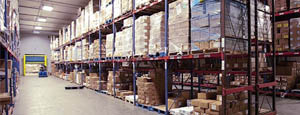
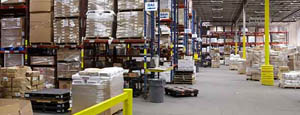
- Warehousing
Fast cycle times and secure seals keep environments separated.
-
-
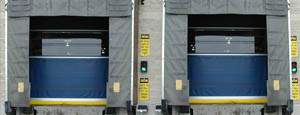
- Loading Dock
Rugged design & secure seal for oversized openings.
-
-
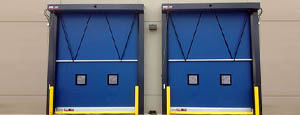
- Large Openings
Break-away functionality with rugged design seals oversized openings.
-
-
-
-
- Heavy Equipment
Withstands challenges of heavy equipment and fleet truck/car wash environments.
-
-
- Self-Storage
Fast opening speeds and reliable, durable construction keep facilities secure and protected.
-
-
- Industries
-
-
-
- Automotive Dealerships
Reduce energy costs, increase productivity and comfort and enhance customer perception.
-
-
- Cold Storage & Processing
Increase productivity and operational efficiency while reducing energy and maintenance costs.
-
-
- Parking
We offer solutions for Apartment / Condo & Loft, Standalone Parking Facilities and Office Buildings
-
-
-
-
- Food & Beverage
Doors specifically engineered for USDA/FDA and cGMP environments, and assured compliance for uncompromising performance.
-
-
- Mfg/Dist/Warehousing
A complete product line allows facilities to increase efficiency and safety and reduce maintenance and energy costs.
-
-
- Government
Ensure effective security and environmental controls are maintained for critical government operations.
-
-
-
-
- Transit
Keep operations running smoothly and efficient while reducing energy and maintenance costs.
-
-
- Pharma, Nutraceutical & Biotech
Doors that offer quick, secure access, environmental control and reliability for life science facilities.
-
-
- Support Resources
- Parts
- Contact Us
- Blog/News
- Why Rytec
- Sales Rep Locator
- Careers
- Dealers
- Architectural Resources











China Top 10 Stainless Steel Plate Manufacturers?
Choosing a reliable Stainless Steel Plate Manufacturer in China requires more than comparing online rankings. Buyers must examine grade consistency, thickness tolerance, surface finish, certifications, production capacity, and delivery performance. A polished website cannot replace mill certificates, laboratory reports, and verified customer references.
Edwin Basson, Director General of worldstainless, has emphasized, “Stainless steel is 100% recyclable.” His statement highlights an important purchasing principle: long service life and responsible material use matter alongside price. For plate buyers, this means checking whether manufacturers provide traceable heat numbers, chemical composition records, mechanical test results, and clear information about recycled content.
This guide introduces ten leading Chinese manufacturers associated with stainless steel plate production and export. The selection considers industrial experience, product range, quality systems, technical capability, and international service. It also recognizes practical differences between companies. Some specialize in wide hot-rolled plates, while others perform strongly in precision cold-rolled products or decorative finishes.
No ranking is perfect.
Market positions change. Production data can be difficult to compare, especially when companies report capacity differently. Therefore, readers should treat this list as a research starting point, not a final purchasing decision. Request current samples. Confirm applicable ASTM, EN, JIS, or GB requirements. Review inspection procedures before signing a contract.
The strongest supplier is not always the largest one. It may be the manufacturer that responds clearly, controls tolerances carefully, and resolves a quality issue without delay. That small detail often becomes the real test.
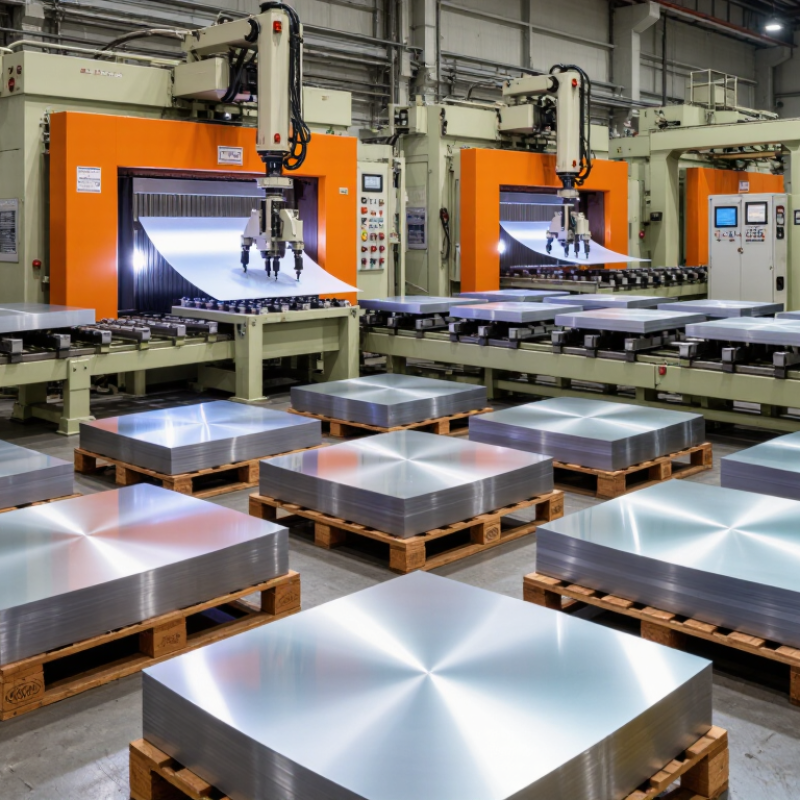
Table of Contents [Hide]
China’s Stainless Steel Scale: 2023 Output Exceeded 36 Million Tonnes
China Top 10 Stainless Steel Plate Manufacturers?
China’s stainless steel output exceeded 36 million tonnes in 2023, according to industry reporting. This figure shows remarkable production depth, from melting and casting to hot and cold rolling. It also explains why Chinese suppliers appear frequently in global plate sourcing projects.
Scale alone does not identify the best manufacturer. A serious evaluation should examine grade control, plate thickness tolerance, surface finish, and delivery consistency. Buyers can request mill test certificates, heat numbers, chemical analysis, and mechanical test results. On arrival, inspectors may check plate dimensions, flatness, surface marks, and identification stamps. Small details matter. A clean surface can still hide uneven thickness.
The leading manufacturers usually combine large melting capacity with modern rolling equipment and stable quality systems. Their product ranges may include common austenitic grades, ferritic grades, and heat-resistant materials. However, “top ten” rankings can change by output, export volume, technology, or customer service. That difference deserves attention. A high-volume mill is not automatically the right choice for every project. Construction, food processing, chemical equipment, and marine applications require different performance priorities. Buyers should compare verified records rather than rely only on production figures. In practice, this step is often skipped, and that remains a costly weakness.