
- High-Performance Doors
-
- Applications
-
-
-
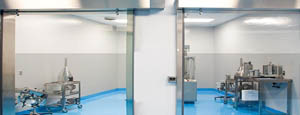
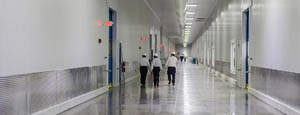
- Clean Room
Stainless steel or composite materials help maintain clean rooms.
-
-
- Coolers
Quick opening speeds & tight seals for temperature control.
-
-
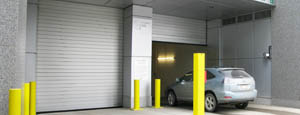
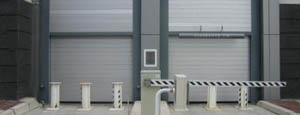
- Parking
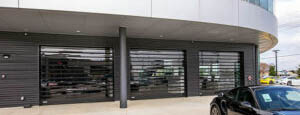
Improve security & traffic flow and enhance architectural style.
-
-
- Hurricane Zone
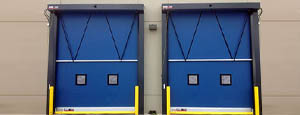
Withstand winds up to 175 mph and comply with the Florida Building Code.
-
-
-
-
- USDA / FDA / cGMP
Increase productivity & address stringent USDA, FDA & cGMP requirements.
-
-
- Freezers
High-speed & perimeter seals minimize the air exchange between areas.
-
-
- Security
High speed & durability ensure secure access.
-
-
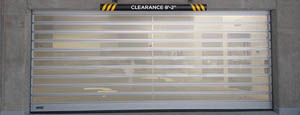
- Ventilation
Perforated or screen door panels allow improved air circulation.
-
-
-
-
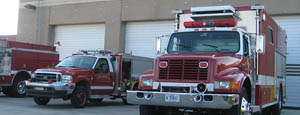
- Fire Station Emergency Response
When time is of the essence, high speed and reliability are crucial.
-
-
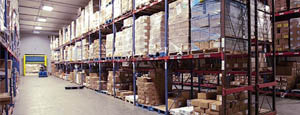
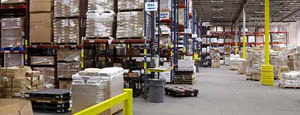
- Warehousing
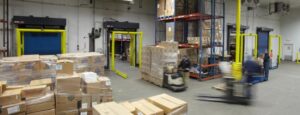
Fast cycle times and secure seals keep environments separated.
-
-
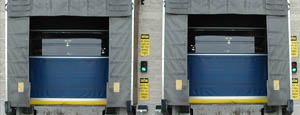
- Loading Dock
Rugged design & secure seal for oversized openings.
-
-
- Large Openings
Break-away functionality with rugged design seals oversized openings.
-
-
-
-
- Heavy Equipment
Withstands challenges of heavy equipment and fleet truck/car wash environments.
-
-
- Self-Storage
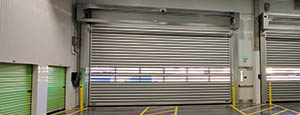
Fast opening speeds and reliable, durable construction keep facilities secure and protected.
-
-
- Industries
-
-
-
- Automotive Dealerships
Reduce energy costs, increase productivity and comfort and enhance customer perception.
-
-
- Cold Storage & Processing
Increase productivity and operational efficiency while reducing energy and maintenance costs.
-
-
- Parking
We offer solutions for Apartment / Condo & Loft, Standalone Parking Facilities and Office Buildings
-
-
-
-
- Food & Beverage
Doors specifically engineered for USDA/FDA and cGMP environments, and assured compliance for uncompromising performance.
-
-
- Mfg/Dist/Warehousing
A complete product line allows facilities to increase efficiency and safety and reduce maintenance and energy costs.
-
-
- Government
Ensure effective security and environmental controls are maintained for critical government operations.
-
-
-
-
- Transit
Keep operations running smoothly and efficient while reducing energy and maintenance costs.
-
-
- Pharma, Nutraceutical & Biotech
Doors that offer quick, secure access, environmental control and reliability for life science facilities.
-
-
- Support Resources
- Parts
- Contact Us
- Blog/News
- Why Rytec
- Sales Rep Locator
- Careers
- Dealers
- Architectural Resources




China Top Rail Web Broadband Damper Manufacturer?
China’s rail network continues to expand, while noise control faces stricter performance expectations. The Rail Web Broadband Damper has become a practical option for reducing rail vibration and structure-borne noise. It works along the rail web, where resilient components absorb a broader frequency range than narrow-band solutions.
The European Environment Agency’s Environmental Noise in Europe 2020 report identified railway noise as affecting more than 20 million people across Europe. The World Health Organization also recommends limiting railway noise exposure to protect public health. These findings explain why railway operators increasingly examine damping performance, durability, installation quality, and lifecycle cost together.
China has a mature rail manufacturing base, supported by extensive high-speed, metro, and heavy-haul applications. However, “top manufacturer” should not depend on factory scale alone. It should reflect tested attenuation, material stability, fatigue resistance, and field experience. UNIFE’s World Rail Market Study 2024 also highlights continued global rail investment and growing attention to lifecycle value.
A reliable Rail Web Broadband Damper manufacturer should provide traceable test data, application guidance, and clear quality controls. Relevant evaluations may reference railway noise procedures under ISO 3095 and vibration requirements under project-specific standards. Results can vary with rail profile, fastening stiffness, axle load, temperature, and maintenance conditions.
No damper fits every line.
A promising product may still underperform after installation. That is an important limitation. This article examines China’s leading manufacturers through technical capability, verification methods, production consistency, customization, and after-sales support. The goal is not to repeat marketing claims, but to identify suppliers that can perform reliably beside real tracks.
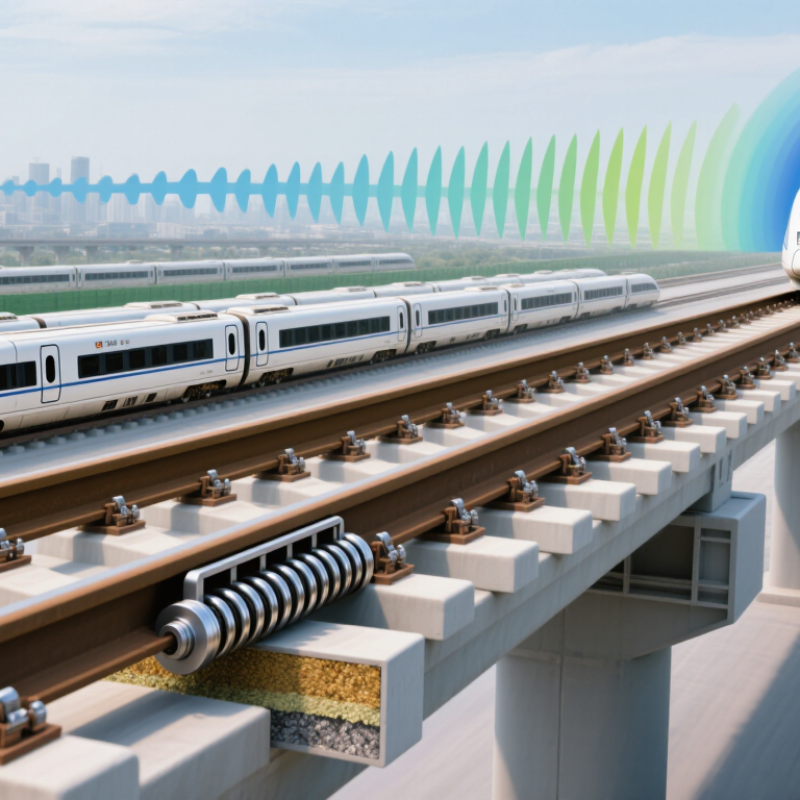
Table of Contents [Hide]
What Is a Rail Web Broadband Damper?
China Top Rail Web Broadband Damper Manufacturer?
What Is a Rail Web Broadband Damper?
A rail web broadband damper is a vibration-control device fixed to the vertical web of a railway rail. It combines added mass, resilient elements, and damping materials. Together, these parts reduce vibration across a wide frequency range. Unlike a narrow tuned absorber, it can address changing wheel, rail, and track conditions. This helps lower rolling noise and limits vibration transmitted into nearby structures.
During practical inspections, engineers examine bolt tightness, contact surfaces, corrosion protection, and clearance from maintenance equipment. A reliable damper should maintain stable performance through temperature changes, repeated wheel loads, and moisture exposure. Factory validation may include modal testing, fatigue testing, environmental checks, and noise measurements. Results should be traceable to documented procedures. Small installation errors can weaken performance. That point is sometimes underestimated.
Tips: Match the damper to the rail profile and target frequency range. Check clearance before installation. Reinspect fasteners after early service operation. Keep test records for future maintenance decisions. Field conditions rarely match laboratory assumptions perfectly, so monitoring remains valuable.