
- High-Performance Doors
-
- Applications
-
-
-
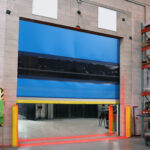
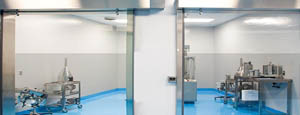
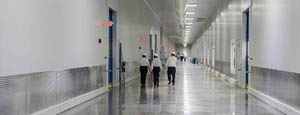
- Clean Room
Stainless steel or composite materials help maintain clean rooms.
-
-
- Coolers
Quick opening speeds & tight seals for temperature control.
-
-
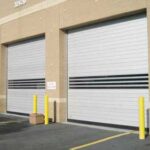
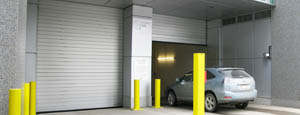
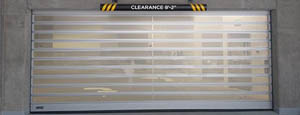
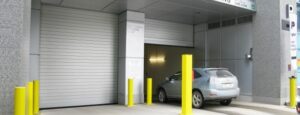
- Parking
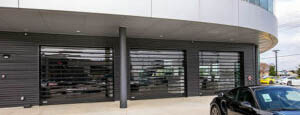
Improve security & traffic flow and enhance architectural style.
-
-
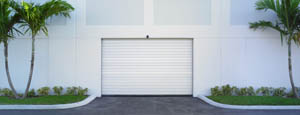
- Hurricane Zone
Withstand winds up to 175 mph and comply with the Florida Building Code.
-
-
-
-
- USDA / FDA / cGMP
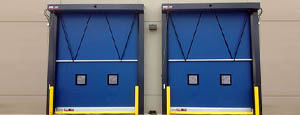
Increase productivity & address stringent USDA, FDA & cGMP requirements.
-
-
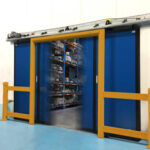
- Freezers
High-speed & perimeter seals minimize the air exchange between areas.
-
-
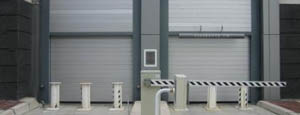
- Security
High speed & durability ensure secure access.
-
-
- Ventilation
Perforated or screen door panels allow improved air circulation.
-
-
-
-
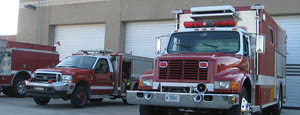
- Fire Station Emergency Response
When time is of the essence, high speed and reliability are crucial.
-
-
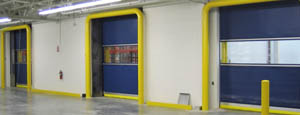
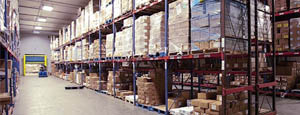
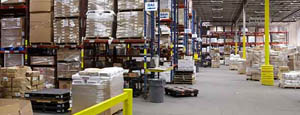
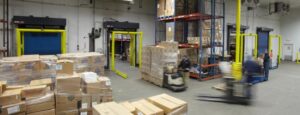
- Warehousing
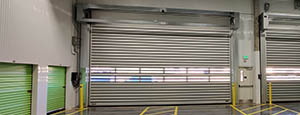
Fast cycle times and secure seals keep environments separated.
-
-
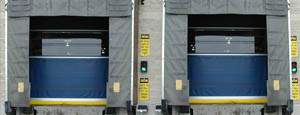
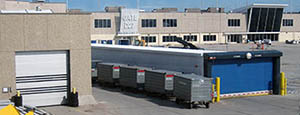
- Loading Dock
Rugged design & secure seal for oversized openings.
-
-
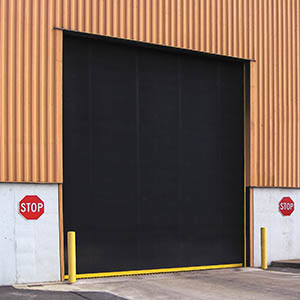
- Large Openings
Break-away functionality with rugged design seals oversized openings.
-
-
-
-
- Heavy Equipment
Withstands challenges of heavy equipment and fleet truck/car wash environments.
-
-
- Self-Storage
Fast opening speeds and reliable, durable construction keep facilities secure and protected.
-
-
- Industries
-
-
-
- Automotive Dealerships
Reduce energy costs, increase productivity and comfort and enhance customer perception.
-
-
- Cold Storage & Processing
Increase productivity and operational efficiency while reducing energy and maintenance costs.
-
-
- Parking
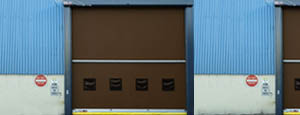
We offer solutions for Apartment / Condo & Loft, Standalone Parking Facilities and Office Buildings
-
-
-
-
- Food & Beverage
Doors specifically engineered for USDA/FDA and cGMP environments, and assured compliance for uncompromising performance.
-
-
- Mfg/Dist/Warehousing
A complete product line allows facilities to increase efficiency and safety and reduce maintenance and energy costs.
-
-
- Government
Ensure effective security and environmental controls are maintained for critical government operations.
-
-
-
-
- Transit
Keep operations running smoothly and efficient while reducing energy and maintenance costs.
-
-
- Pharma, Nutraceutical & Biotech
Doors that offer quick, secure access, environmental control and reliability for life science facilities.
-
-
- Support Resources
- Parts
- Contact Us
- Blog/News
- Why Rytec
- Sales Rep Locator
- Careers
- Dealers
- Architectural Resources



China Best Hotel Electronic Locks Supplier?
China Best Hotel Electronic Locks Supplier? This question deserves more than a polished catalog or a low unit price. Hotel owners need locks that perform reliably across busy corridors, humid bathrooms, and thousands of guest entries. Hotel Electronic Locks should support secure access, clear audit records, practical battery management, and smooth property management system integration.
A dependable Chinese supplier should demonstrate real manufacturing experience. Look for factory photos, quality-control procedures, sample testing, and traceable production records. Ask how each lock handles repeated card use, low-battery alerts, wireless communication, and emergency power support. Details matter. A serious supplier should explain its materials, firmware updates, warranty terms, and after-sales response without hiding behind vague claims. Relevant product certifications should also be verified through current documents and recognized testing bodies.
Price still matters, especially for large hotel projects. However, a cheaper lock may create higher replacement costs, guest complaints, or installation delays. Request samples before approving a full order. Test them on actual hotel doors, not only on a showroom panel. Check the handle movement, reading distance, response time, and software interface. No supplier is perfect. Even experienced manufacturers can miss a small integration issue or provide unclear instructions. That is why transparent communication, documented testing, and independent evaluation remain essential. This guide examines supplier capability, product reliability, customization, compliance support, and long-term service. Trust takes evidence.
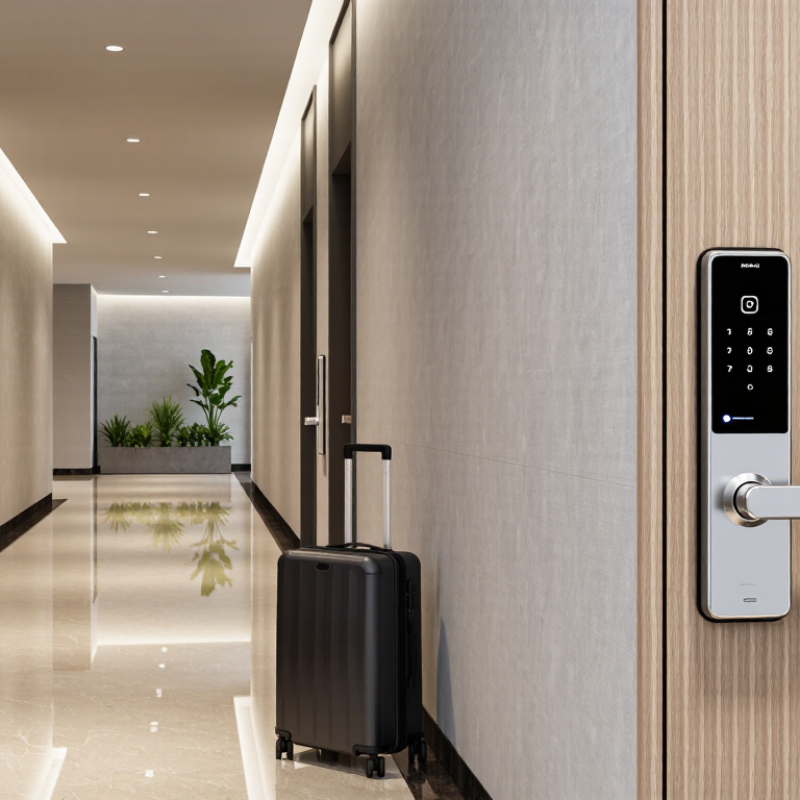
Table of Contents [Hide]
What Defines a Reliable Hotel Electronic Lock Supplier in China
A reliable hotel electronic lock supplier in China proves performance beyond a polished catalog. In practical hotel installations, engineers should inspect lock bodies, reader response, emergency power, and battery access. Small details matter. A door beside a humid pool needs different protection from a dry guestroom corridor. The supplier should provide documented testing for corrosion, cycle life, encryption, and fire-door compatibility. It should also explain failure procedures when a card reader stops responding at midnight.
Cybersecurity deserves equal attention. Verizon’s 2024 Data Breach Investigations Report found that the human element appeared in 68% of breaches. Therefore, suppliers need controlled administrator access, audit logs, secure credential management, and prompt software updates. IBM’s 2024 Cost of a Data Breach Report placed the global average breach cost at 4.88 million US dollars. That figure is not a hotel-lock price tag, but it shows why access systems require serious governance. Ask for penetration-test summaries, firmware change records, and clear data-retention policies.
Experience also appears in after-sales support. A dependable supplier keeps spare readers, batteries, and mechanical override parts available. It trains local technicians with real installation scenarios, not only presentation slides. ISO 9001 certification can support process credibility, but it cannot replace field evidence. Request references from hotels with similar door types and operating conditions. No supplier gets every detail right. The honest ones disclose limitations, test samples with the buyer, and correct weak points before large-scale delivery.