
- High-Performance Doors
-
- Applications
-
-
-
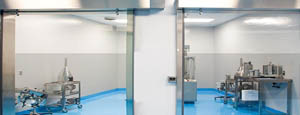
- Clean Room
Stainless steel or composite materials help maintain clean rooms.
-
-
- Coolers
Quick opening speeds & tight seals for temperature control.
-
-
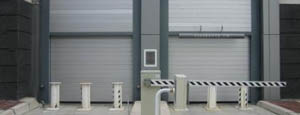
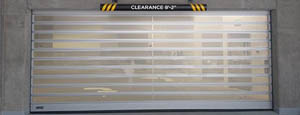
- Parking
Improve security & traffic flow and enhance architectural style.
-
-
- Hurricane Zone
Withstand winds up to 175 mph and comply with the Florida Building Code.
-
-
-
-
- USDA / FDA / cGMP
Increase productivity & address stringent USDA, FDA & cGMP requirements.
-
-
- Freezers
High-speed & perimeter seals minimize the air exchange between areas.
-
-
- Security
High speed & durability ensure secure access.
-
-
- Ventilation
Perforated or screen door panels allow improved air circulation.
-
-
-
-
- Fire Station Emergency Response
When time is of the essence, high speed and reliability are crucial.
-
-
- Warehousing
Fast cycle times and secure seals keep environments separated.
-
-
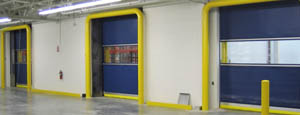
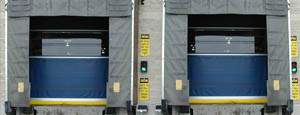
- Loading Dock
Rugged design & secure seal for oversized openings.
-
-
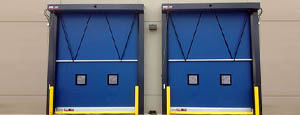
- Large Openings
Break-away functionality with rugged design seals oversized openings.
-
-
-
-
- Heavy Equipment
Withstands challenges of heavy equipment and fleet truck/car wash environments.
-
-
- Self-Storage
Fast opening speeds and reliable, durable construction keep facilities secure and protected.
-
-
- Industries
-
-
-
- Automotive Dealerships
Reduce energy costs, increase productivity and comfort and enhance customer perception.
-
-
- Cold Storage & Processing
Increase productivity and operational efficiency while reducing energy and maintenance costs.
-
-
- Parking
We offer solutions for Apartment / Condo & Loft, Standalone Parking Facilities and Office Buildings
-
-
-
-
- Food & Beverage
Doors specifically engineered for USDA/FDA and cGMP environments, and assured compliance for uncompromising performance.
-
-
- Mfg/Dist/Warehousing
A complete product line allows facilities to increase efficiency and safety and reduce maintenance and energy costs.
-
-
- Government
Ensure effective security and environmental controls are maintained for critical government operations.
-
-
-
-
- Transit
Keep operations running smoothly and efficient while reducing energy and maintenance costs.
-
-
- Pharma, Nutraceutical & Biotech
Doors that offer quick, secure access, environmental control and reliability for life science facilities.
-
-
- Support Resources
- Parts
- Contact Us
- Blog/News
- Why Rytec
- Sales Rep Locator
- Careers
- Dealers
- Architectural Resources
















China Best Exterior Home Renderings Manufacturer?
China Best Exterior Home Renderings Manufacturer? That question deserves more than a low price comparison. Exterior Home Renderings can influence buyer confidence, planning reviews, and sales materials. A convincing image must show more than a polished façade. It should reveal scale, materials, landscaping, shadows, access roads, and realistic neighborhood context.
The global architectural visualization market reflects growing demand. Grand View Research estimated its 2023 value at approximately USD 3.57 billion. The firm also projected strong growth through 2030, supported by real estate development and digital design workflows. Mordor Intelligence likewise reported rapid expansion in the broader 3D rendering and visualization market. These figures are useful. They are not a quality guarantee.
Ronen Bekerman, an architectural visualization educator and founder of The Craft, has repeatedly emphasized that visualization should serve the design before the spectacle. That principle matters when evaluating Chinese manufacturers. Look for verified residential case studies, consistent camera matching, accurate material textures, and clear revision policies. Ask whether the team can reproduce a stone wall across five angles. Small details expose weak workflows.
Experience matters here. A reliable supplier should explain file formats, delivery stages, and approval checkpoints. It should also protect unpublished architectural information. However, no manufacturer is perfect. Even a strong studio may misjudge local vegetation or evening lighting. Careful feedback remains necessary.
The best partner is not simply the cheapest. It is the team that turns drawings into believable exterior spaces, without hiding design problems behind attractive effects.
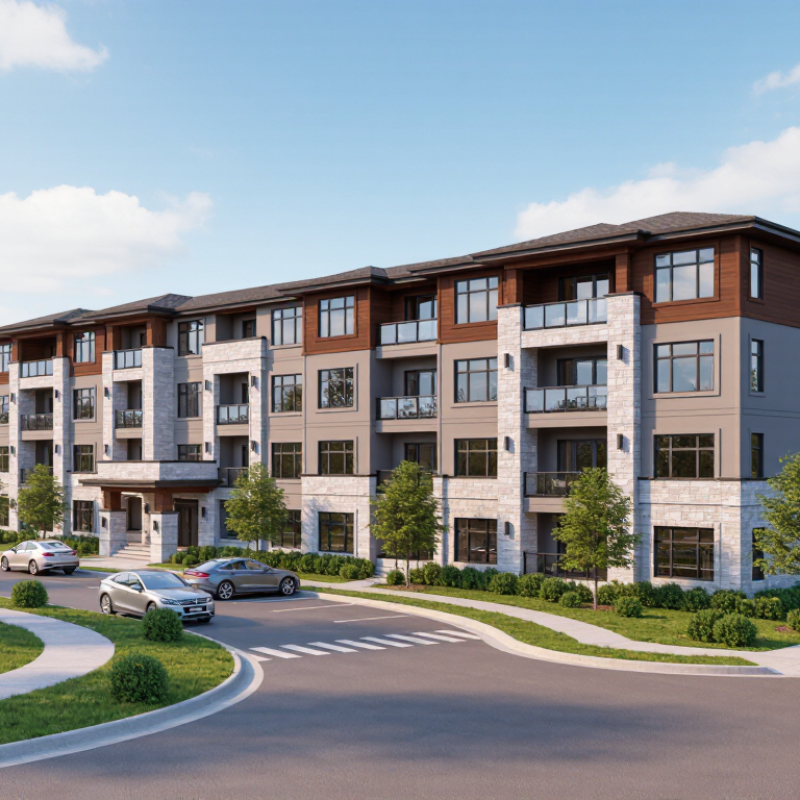
Table of Contents [Hide]
What Defines a Leading Exterior Home Renderings Manufacturer in China
What Defines a Leading Exterior Home Renderings Manufacturer in China
A leading exterior home renderings manufacturer combines visual judgment with dependable production control. Grand View Research valued the global 3D rendering and visualization market at USD 3.62 billion in 2022. It also forecast a 22.5% compound annual growth rate from 2023 to 2030. This growth raises expectations. A strong manufacturer should understand facade materials, regional daylight, landscaping scale, and residential construction details. One attractive image is not enough.
Experience shows in the workflow. The team should review CAD files, site photographs, floor plans, and material schedules before modeling. It should confirm window proportions, roof drainage, boundary walls, and evening lighting. Small errors become expensive during client presentations. Clear checkpoints matter. So does communication. RICS research on digitalisation in construction reports that many firms still struggle with fragmented data and inconsistent technology adoption. A capable studio reduces that risk through naming standards, revision logs, and controlled file delivery.
Professional credibility also requires honest limitations. Rain, trees, and wide-angle lenses can hide weak geometry. Sometimes, the first concept needs correction. That is normal. A reliable manufacturer should explain what the supplied information cannot prove, rather than inventing certainty. Quality checks should compare the render with drawings and physical samples. Security, schedule tracking, and documented revisions further separate a production partner from a simple image vendor. The best result feels beautiful, but it also feels buildable.