
- High-Performance Doors
-
- Applications
-
-
-
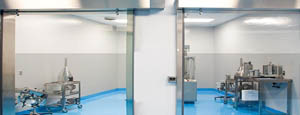
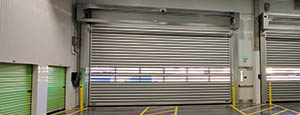
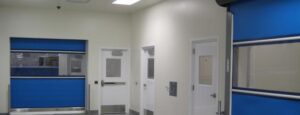
- Clean Room
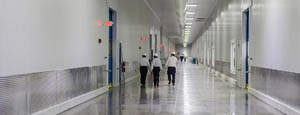
Stainless steel or composite materials help maintain clean rooms.
-
-
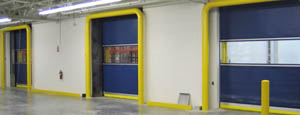
- Coolers
Quick opening speeds & tight seals for temperature control.
-
-
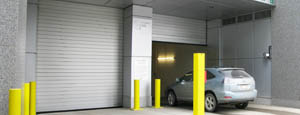
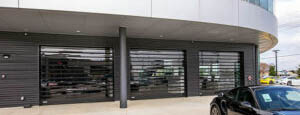
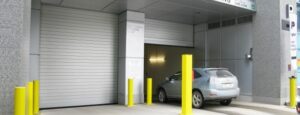
- Parking
Improve security & traffic flow and enhance architectural style.
-
-
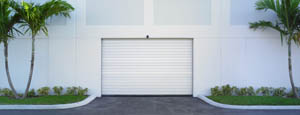
- Hurricane Zone
Withstand winds up to 175 mph and comply with the Florida Building Code.
-
-
-
-
- USDA / FDA / cGMP
Increase productivity & address stringent USDA, FDA & cGMP requirements.
-
-
- Freezers
High-speed & perimeter seals minimize the air exchange between areas.
-
-
- Security
High speed & durability ensure secure access.
-
-
- Ventilation
Perforated or screen door panels allow improved air circulation.
-
-
-
-
- Fire Station Emergency Response
When time is of the essence, high speed and reliability are crucial.
-
-
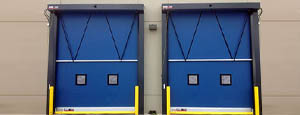
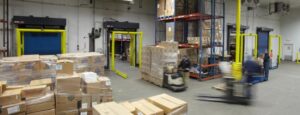
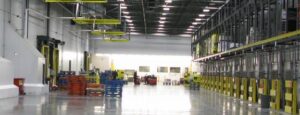
- Warehousing
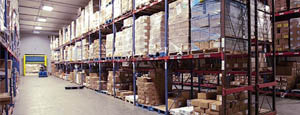
Fast cycle times and secure seals keep environments separated.
-
-
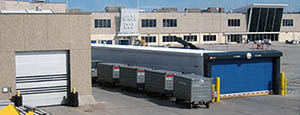
- Loading Dock
Rugged design & secure seal for oversized openings.
-
-
- Large Openings
Break-away functionality with rugged design seals oversized openings.
-
-
-
-
- Heavy Equipment
Withstands challenges of heavy equipment and fleet truck/car wash environments.
-
-
- Self-Storage
Fast opening speeds and reliable, durable construction keep facilities secure and protected.
-
-
- Industries
-
-
-
- Automotive Dealerships
Reduce energy costs, increase productivity and comfort and enhance customer perception.
-
-
- Cold Storage & Processing
Increase productivity and operational efficiency while reducing energy and maintenance costs.
-
-
- Parking
We offer solutions for Apartment / Condo & Loft, Standalone Parking Facilities and Office Buildings
-
-
-
-
- Food & Beverage
Doors specifically engineered for USDA/FDA and cGMP environments, and assured compliance for uncompromising performance.
-
-
- Mfg/Dist/Warehousing
A complete product line allows facilities to increase efficiency and safety and reduce maintenance and energy costs.
-
-
- Government
Ensure effective security and environmental controls are maintained for critical government operations.
-
-
-
-
- Transit
Keep operations running smoothly and efficient while reducing energy and maintenance costs.
-
-
- Pharma, Nutraceutical & Biotech
Doors that offer quick, secure access, environmental control and reliability for life science facilities.
-
-
- Support Resources
- Parts
- Contact Us
- Blog/News
- Why Rytec
- Sales Rep Locator
- Careers
- Dealers
- Architectural Resources


China Top Automated Warehouse System Trends at 2026 Canton Fair?
As we approach the 2026 Canton Fair, the focus on trends in the Automated Warehouse System is undeniable. This fair, like never before, will showcase cutting-edge technologies and innovations in logistics. Experts believe that automation will redefine efficiency. Dr. Emily Zhang, a leading authority in supply chain technology, has stated, "The future of warehouses lies in automation, providing speed and precision."
With advanced manufacturing at the forefront of this year's fair, key innovations will shape the industry. The introduction of AI-driven tools such as smart navigation can enhance the visitor's experience, allowing for quick supplier identification. The fair's layout spans over 1.55 million square meters, showcasing an extensive array of automated systems ready to streamline operations.
However, challenges remain. Adoption of automated systems can be daunting. Businesses may struggle with the upfront costs and integration into existing processes. The learning curve can cause initial delays. Yet, these obstacles highlight the need for industry expertise and robust support. As automation evolves, the Automated Warehouse System will become an essential driving force in logistics and supply chain management.
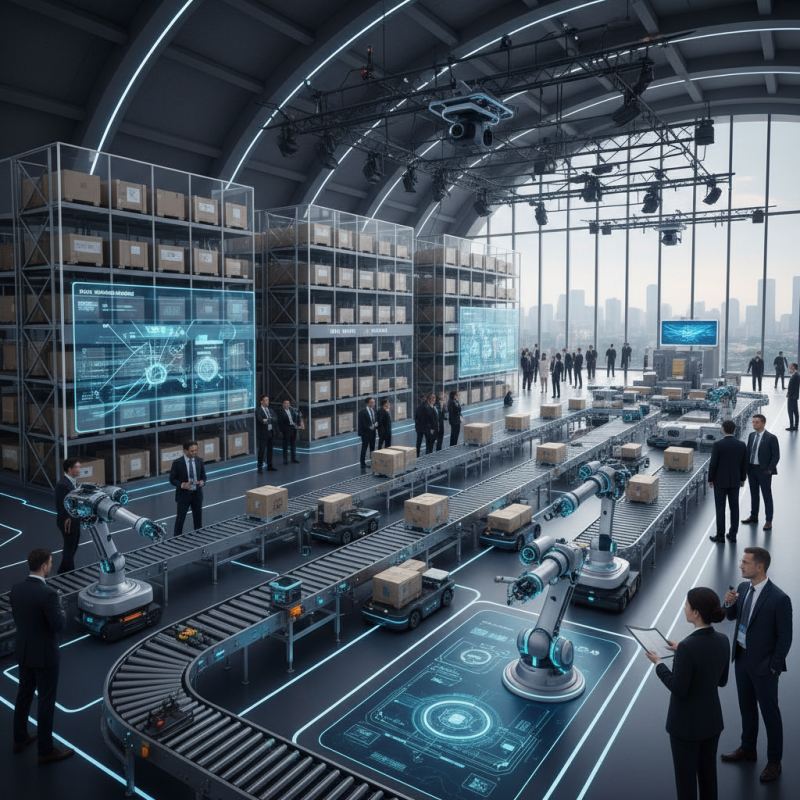
Table of Contents [Hide]
Trends in Automated Warehouse Systems at the 2026 Canton Fair
The 2026 Canton Fair is expected to showcase significant advancements in automated warehouse systems. Many exhibitors will focus on efficiency and cost-saving technologies. The integration of artificial intelligence will enhance inventory management, allowing real-time tracking of goods. Such systems are designed to reduce human error. They provide insights into stock levels and demand forecasting.
One notable trend will be the rise of drone technology within warehouses. Drones can streamline inventory audits and speed up order fulfillment. However, there may be challenges regarding safety regulations and limited battery life. Companies must address these issues to realize the full potential of drone integration.
Another aspect to consider is the shift towards sustainability. Many automated systems are now designed to minimize energy consumption. This aligns with global trends towards eco-friendly practices. Yet, the investment in greener technologies often requires careful planning and significant funds. Companies must evaluate the financial implications as they adapt to this shifting landscape. Balancing cost-efficiency with sustainability presents a complex challenge.