
- High-Performance Doors
-
- Applications
-
-
-
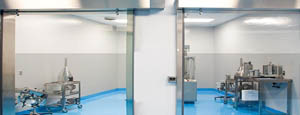
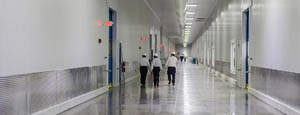
- Clean Room
Stainless steel or composite materials help maintain clean rooms.
-
-
- Coolers
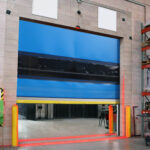
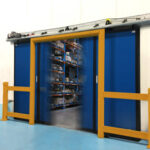
Quick opening speeds & tight seals for temperature control.
-
-
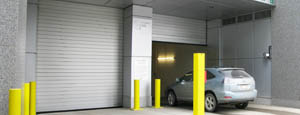
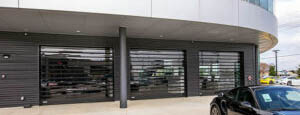
- Parking
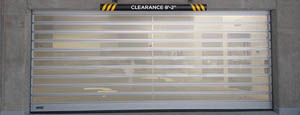
Improve security & traffic flow and enhance architectural style.
-
-
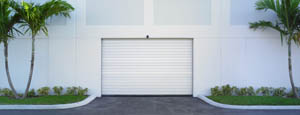
- Hurricane Zone
Withstand winds up to 175 mph and comply with the Florida Building Code.
-
-
-
-
- USDA / FDA / cGMP
Increase productivity & address stringent USDA, FDA & cGMP requirements.
-
-
- Freezers
High-speed & perimeter seals minimize the air exchange between areas.
-
-
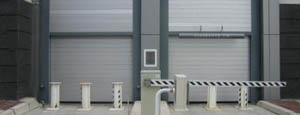
- Security
High speed & durability ensure secure access.
-
-
- Ventilation
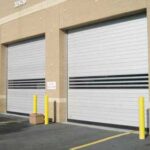
Perforated or screen door panels allow improved air circulation.
-
-
-
-
- Fire Station Emergency Response
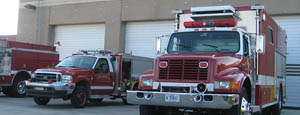
When time is of the essence, high speed and reliability are crucial.
-
-
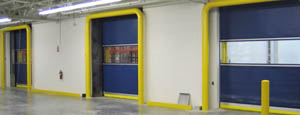
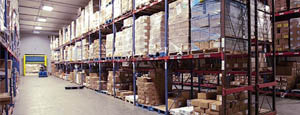
- Warehousing
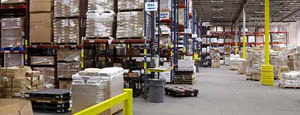
Fast cycle times and secure seals keep environments separated.
-
-
- Loading Dock
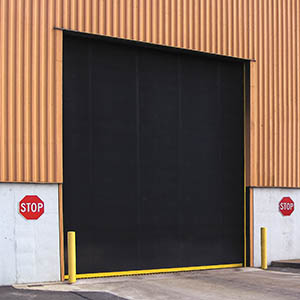
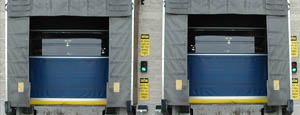
Rugged design & secure seal for oversized openings.
-
-
- Large Openings
Break-away functionality with rugged design seals oversized openings.
-
-
-
-
- Heavy Equipment
Withstands challenges of heavy equipment and fleet truck/car wash environments.
-
-
- Self-Storage
Fast opening speeds and reliable, durable construction keep facilities secure and protected.
-
-
- Industries
-
-
-
- Automotive Dealerships
Reduce energy costs, increase productivity and comfort and enhance customer perception.
-
-
- Cold Storage & Processing
Increase productivity and operational efficiency while reducing energy and maintenance costs.
-
-
- Parking
We offer solutions for Apartment / Condo & Loft, Standalone Parking Facilities and Office Buildings
-
-
-
-
- Food & Beverage
Doors specifically engineered for USDA/FDA and cGMP environments, and assured compliance for uncompromising performance.
-
-
- Mfg/Dist/Warehousing
A complete product line allows facilities to increase efficiency and safety and reduce maintenance and energy costs.
-
-
- Government
Ensure effective security and environmental controls are maintained for critical government operations.
-
-
-
-
- Transit
Keep operations running smoothly and efficient while reducing energy and maintenance costs.
-
-
- Pharma, Nutraceutical & Biotech
Doors that offer quick, secure access, environmental control and reliability for life science facilities.
-
-
- Support Resources
- Parts
- Contact Us
- Blog/News
- Why Rytec
- Sales Rep Locator
- Careers
- Dealers
- Architectural Resources





How to Calculate Condensing Unit Capacity for 2026 Needs?
The Condensing unit capacity calculation is vital for meeting future cooling demands. As we approach 2026, understanding these calculations becomes increasingly important. Recent studies suggest that cooling requirements are rising by about 3% annually due to urban heat islands and climate change.
Properly sizing a condensing unit ensures efficiency and cost-effectiveness. The Air-Conditioning, Heating, and Refrigeration Institute (AHRI) reports that improper sizing can lead to energy waste and increased operational costs. An oversized unit may cycle on and off too frequently, while an undersized unit struggles to meet demand. Both situations impact performance negatively.
Reflecting on these factors, professionals must also consider evolving regulations and technology. The industry is transitioning to more energy-efficient systems, influenced by tightening standards. Thus, revisiting capacity calculations periodically is essential. Accurate analysis and adjustment can lead to better environmental outcomes and cost savings.
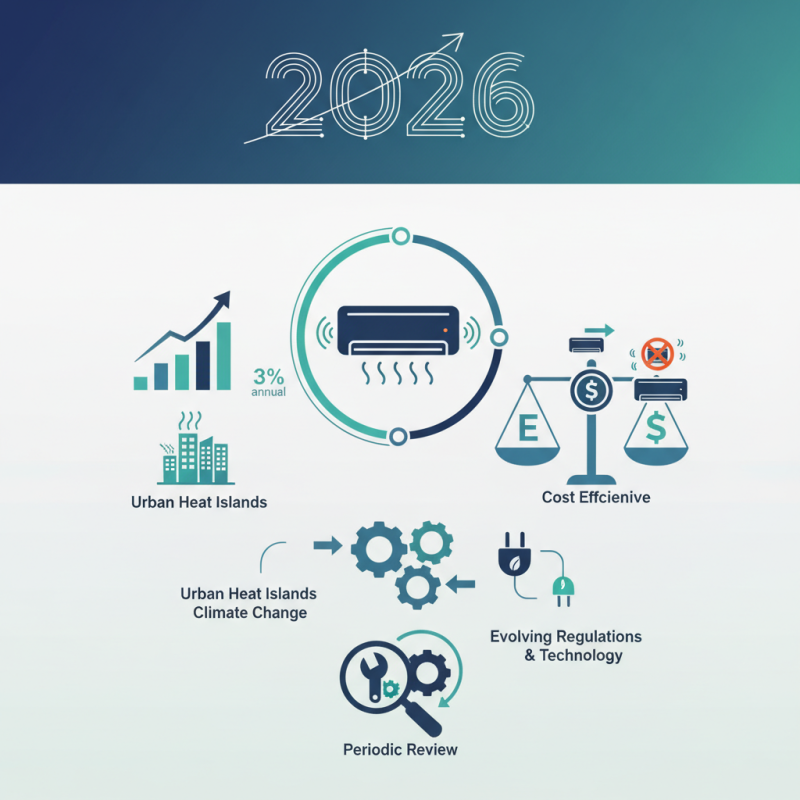
Table of Contents [Hide]
Understanding Condensing Unit Capacity Requirements for 2026
Understanding condensing unit capacity is essential to meet future demands. In 2026, industries will require efficient cooling solutions. Factors to consider include ambient temperatures and system design. Accurate calculations will ensure optimal performance.
Different applications have unique requirements. A commercial kitchen may need more capacity than a small retail store. Assessing heat loads is critical. This involves reviewing equipment and occupancy levels. Ignoring heat load calculations can lead to underperformance and increased costs.
Choosing the right capacity involves potential pitfalls. Overestimating needs may result in wasted energy. Underestimating could lead to inadequate cooling. It’s crucial to regularly review and adjust capacity as conditions change. Engaging with HVAC professionals can provide insights. Their experience can guide effective capacity planning.