
- High-Performance Doors
-
- Applications
-
-
-
- Clean Room
Stainless steel or composite materials help maintain clean rooms.
-
-
- Coolers
Quick opening speeds & tight seals for temperature control.
-
-
- Parking
Improve security & traffic flow and enhance architectural style.
-
-
- Hurricane Zone
Withstand winds up to 175 mph and comply with the Florida Building Code.
-
-
-
-
- USDA / FDA / cGMP
Increase productivity & address stringent USDA, FDA & cGMP requirements.
-
-
- Freezers
High-speed & perimeter seals minimize the air exchange between areas.
-
-
- Security
High speed & durability ensure secure access.
-
-
- Ventilation
Perforated or screen door panels allow improved air circulation.
-
-
-
-
- Fire Station Emergency Response
When time is of the essence, high speed and reliability are crucial.
-
-
- Warehousing
Fast cycle times and secure seals keep environments separated.
-
-
- Loading Dock
Rugged design & secure seal for oversized openings.
-
-
- Large Openings
Break-away functionality with rugged design seals oversized openings.
-
-
-
-
- Heavy Equipment
Withstands challenges of heavy equipment and fleet truck/car wash environments.
-
-
- Self-Storage
Fast opening speeds and reliable, durable construction keep facilities secure and protected.
-
-
- Industries
-
-
-
- Automotive Dealerships
Reduce energy costs, increase productivity and comfort and enhance customer perception.
-
-
- Cold Storage & Processing
Increase productivity and operational efficiency while reducing energy and maintenance costs.
-
-
- Parking
We offer solutions for Apartment / Condo & Loft, Standalone Parking Facilities and Office Buildings
-
-
-
-
- Food & Beverage
Doors specifically engineered for USDA/FDA and cGMP environments, and assured compliance for uncompromising performance.
-
-
- Mfg/Dist/Warehousing
A complete product line allows facilities to increase efficiency and safety and reduce maintenance and energy costs.
-
-
- Government
Ensure effective security and environmental controls are maintained for critical government operations.
-
-
-
-
- Transit
Keep operations running smoothly and efficient while reducing energy and maintenance costs.
-
-
- Pharma, Nutraceutical & Biotech
Doors that offer quick, secure access, environmental control and reliability for life science facilities.
-
-
- Support Resources
- Parts
- Contact Us
- Blog/News
- Why Rytec
- Sales Rep Locator
- Careers
- Dealers
- Architectural Resources


























How to Buy a Semi Truck in 2026?
Buying a Semi Truck in 2026 is a business decision, not merely a vehicle purchase. The right choice can support reliable income, safer operations, and predictable maintenance costs. The wrong choice can create payment pressure before the first long-distance load. This guide explains how to evaluate new and used trucks with practical, evidence-based steps. It considers engine condition, fuel economy, mileage, specifications, financing, insurance, and resale value. It also recognizes changing emissions standards and technology requirements across different regions. Details matter.
A serious buyer should begin with a clear operating profile. Will the truck haul refrigerated goods, dry freight, heavy equipment, or local deliveries? Route length, terrain, payload, weather, and downtime risk all influence the best configuration. A trusted technician can inspect the frame, drivetrain, brakes, tires, electrical systems, and maintenance records. A vehicle history report helps, but it cannot replace a hands-on inspection. Ask for service invoices, diagnostic results, warranty terms, and ownership documentation. Do not trust polished photos alone. No checklist is perfect.
The financial review should include the purchase price and every recurring expense. Estimate fuel, repairs, registration, insurance, parking, tires, taxes, and reserve funds. Compare dealer financing, bank loans, and carefully reviewed commercial lending offers. Rates and approval standards may change, so confirm current terms directly with providers. I have seen buyers focus on monthly payments and overlook repair reserves. That mistake can be expensive. A careful purchase requires patience, independent verification, and honest calculations before signing any agreement.
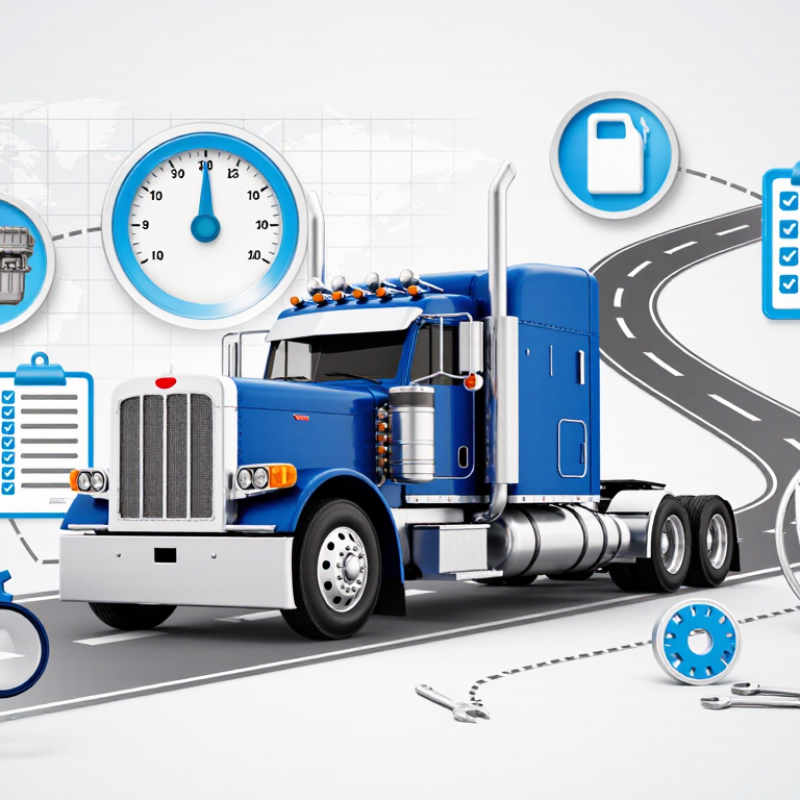
Table of Contents [Hide]
Define Your Semi Truck Needs and Set a Realistic 2026 Budget
How to Buy a Semi Truck in 2026?
Define your semi truck needs before visiting a dealer or lender. Estimate weekly miles, average load weight, terrain, sleeper size, and expected downtime. A regional hauler may not need the same configuration as an over-the-road operator. Write these requirements down. Otherwise, attractive features can quietly inflate your payment.
Build a budget around operating cost, not only the purchase price. The American Transportation Research Institute reported an average trucking cost of $2.260 per mile in its 2024 Analysis of the Operational Costs of Trucking.
$0.779 Driver wages per mile
$0.644 Fuel per mile
$0.202 Repair and maintenance per mile
These figures show why a cheaper truck can become expensive after purchase. Check maintenance records, tire condition, engine hours, and inspection history with a qualified technician.
Keep cash for unpleasant surprises. A practical 2026 plan should include the down payment, financing charges, insurance, permits, registration, maintenance, and several months of operating reserves. The Equipment Leasing & Finance Foundation’s market outlook also emphasizes changing interest rates and tighter equipment financing conditions. Do not assume approval.
My first budget underestimated idle time and emergency repairs. That mistake was expensive.
Recalculate using conservative mileage and fuel assumptions, then test the budget against a slow month. A perfect spreadsheet is unlikely. A resilient one is better.