
- High-Performance Doors
-
- Applications
-
-
-
- Clean Room
Stainless steel or composite materials help maintain clean rooms.
-
-
- Coolers
Quick opening speeds & tight seals for temperature control.
-
-
- Parking
Improve security & traffic flow and enhance architectural style.
-
-
- Hurricane Zone
Withstand winds up to 175 mph and comply with the Florida Building Code.
-
-
-
-
- USDA / FDA / cGMP
Increase productivity & address stringent USDA, FDA & cGMP requirements.
-
-
- Freezers
High-speed & perimeter seals minimize the air exchange between areas.
-
-
- Security
High speed & durability ensure secure access.
-
-
- Ventilation
Perforated or screen door panels allow improved air circulation.
-
-
-
-
- Fire Station Emergency Response
When time is of the essence, high speed and reliability are crucial.
-
-
- Warehousing
Fast cycle times and secure seals keep environments separated.
-
-
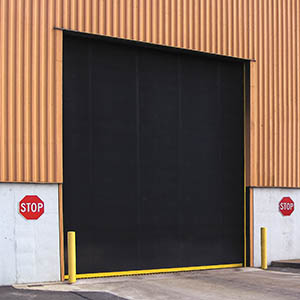
- Loading Dock
Rugged design & secure seal for oversized openings.
-
-
- Large Openings
Break-away functionality with rugged design seals oversized openings.
-
-
-
-
- Heavy Equipment
Withstands challenges of heavy equipment and fleet truck/car wash environments.
-
-
- Self-Storage
Fast opening speeds and reliable, durable construction keep facilities secure and protected.
-
-
- Industries
-
-
-
- Automotive Dealerships
Reduce energy costs, increase productivity and comfort and enhance customer perception.
-
-
- Cold Storage & Processing
Increase productivity and operational efficiency while reducing energy and maintenance costs.
-
-
- Parking
We offer solutions for Apartment / Condo & Loft, Standalone Parking Facilities and Office Buildings
-
-
-
-
- Food & Beverage
Doors specifically engineered for USDA/FDA and cGMP environments, and assured compliance for uncompromising performance.
-
-
- Mfg/Dist/Warehousing
A complete product line allows facilities to increase efficiency and safety and reduce maintenance and energy costs.
-
-
- Government
Ensure effective security and environmental controls are maintained for critical government operations.
-
-
-
-
- Transit
Keep operations running smoothly and efficient while reducing energy and maintenance costs.
-
-
- Pharma, Nutraceutical & Biotech
Doors that offer quick, secure access, environmental control and reliability for life science facilities.
-
-
- Support Resources
- Parts
- Contact Us
- Blog/News
- Why Rytec
- Sales Rep Locator
- Careers
- Dealers
- Architectural Resources

















What Is the Best Steel Structure Supplier in China?
Choosing the best steel structure supplier in China requires more than comparing prices or browsing attractive project photos. The right partner should demonstrate practical experience, engineering competence, and dependable production control. A serious supplier can explain how it handles design drawings, material selection, welding procedures, surface treatment, packaging, and site installation. These details matter when a warehouse frame arrives with accurate holes, protected coatings, and clearly labeled components.
Look for evidence, not promises. Ask for recent project references, mill certificates, welding inspection records, and quality-control procedures. Factory visits can reveal useful details, such as organized cutting areas, calibrated measuring tools, and workers checking dimensions before shipment. Certifications may support credibility, but they should match the actual products and processes. Independent inspections can provide additional confidence, especially for large industrial buildings or projects exposed to strong wind, snow, or coastal humidity.
There is no universal best supplier. Project requirements differ. A company experienced in light workshops may not suit a complex stadium or heavy plant structure. Communication also deserves careful attention. Delayed replies, unclear drawings, or changing specifications can create costly problems later. A reliable steel structure supplier should identify risks early, explain technical limitations, and provide realistic delivery schedules. Even experienced buyers can overlook small issues, such as drainage details, bolt markings, or local installation conditions. That is why a balanced evaluation should combine factory capability, engineering evidence, transparent pricing, and post-sale support. The cheapest quotation may not be the most economical choice.
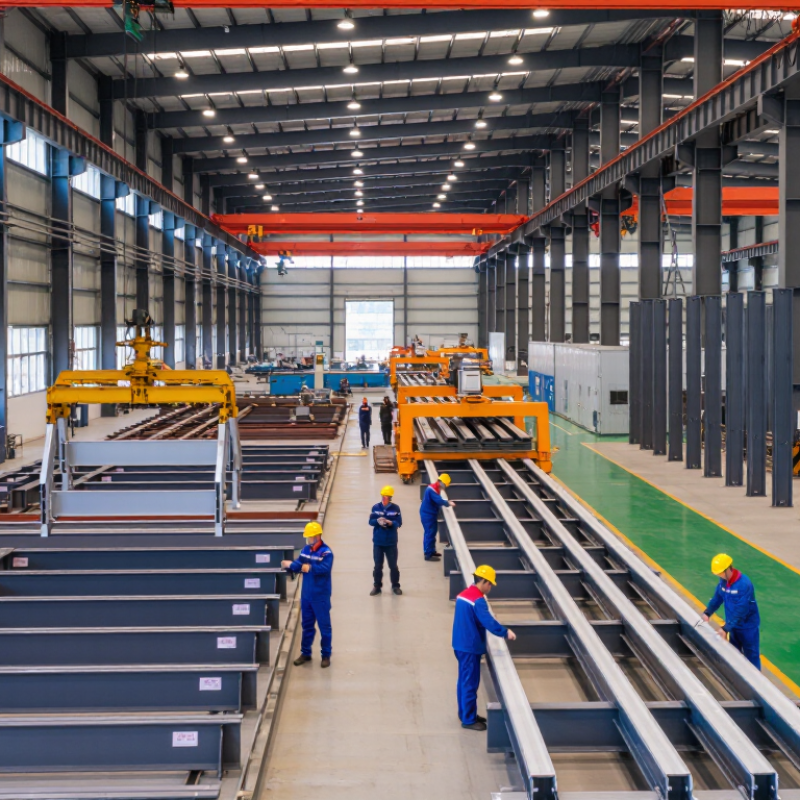
Table of Contents [Hide]
What Defines a Reliable Steel Structure Supplier in China?
What Is the Best Steel Structure Supplier in China?
A reliable steel structure supplier is defined by more than a low quotation. In site work, small documentation gaps can create costly delays. A dependable supplier explains steel grades, welding procedures, coating systems, and inspection points clearly. Their engineers should provide signed drawings, load calculations, and revision records. They should also understand local wind, snow, seismic, and fire requirements. Experience matters when factory details meet difficult construction conditions.
Tips: Ask for recent project references, production photos, mill certificates, and independent inspection records. Check whether the supplier welcomes factory audits. Confirm who controls welding quality and dimensional checks. A serious team discusses risks before receiving a deposit. Communication also deserves testing. Send one technical question and observe the response time and precision.
Cost remains important, but the cheapest offer may conceal thinner materials, unclear exclusions, or weak after-sales support. Request a detailed scope covering design, fabrication, packaging, delivery, and installation guidance. Reliable suppliers use traceable records from raw material purchase to final shipment. Still, no supplier is perfect. I would question anyone promising zero delays or zero defects. Weather, transport, and site changes affect every project. A better partner admits uncertainty, proposes controls, and keeps written evidence when plans change.
| Evaluation Dimension | Practical Benchmark | Verification Evidence | Why It Matters |
|---|---|---|---|
| Quality Management | Baseline Documented quality-management procedures covering procurement, fabrication, inspection, nonconformity control, and corrective action. | Current quality certificates, internal quality manual, inspection and test plans, material-traceability procedures, and recent audit records. | A structured quality system reduces process variation and makes project responsibilities easier to verify. |
| Engineering Capability | Project-specific Ability to prepare or review structural drawings, connection details, design calculations, fabrication drawings, and erection documents. | Sample anonymized drawings, calculation indexes, connection-design procedures, software list, and engineer qualification records. | Accurate detailing helps prevent clashes, fabrication errors, rework, and installation delays. |
| Material Compliance | Traceable Each major steel member should be traceable to its mill certificate, heat number, grade, thickness, and applicable project specification. | Mill test certificates, purchase records, heat-number logs, material receiving reports, and positive-material-identification records where required. | Traceability confirms that the delivered steel matches the specified mechanical and chemical requirements. |
| Welding Control | Qualified process Welding procedures and operators should be qualified for the required materials, thicknesses, joint types, and welding positions. | Welding procedure specifications, procedure qualification records, welder qualification records, welding maps, and consumable-control logs. | Qualified welding controls reduce the risk of incomplete fusion, cracking, porosity, distortion, and premature fatigue damage. |
| Non-Destructive Testing | Risk-based Inspection methods and sampling percentages should follow the approved design, project specification, and applicable structural standard. | Ultrasonic, magnetic-particle, dye-penetrant, or radiographic testing reports, inspector qualifications, calibration records, and repair logs. | Independent inspection evidence provides measurable confirmation of weld and component quality beyond visual checks. |
| Dimensional Accuracy | Tolerance-controlled Fabricated members should be measured against approved drawings and the dimensional tolerances specified by the contract or governing standard. | Shop measurement reports, trial-assembly records, calibration certificates, inspection checklists, and nonconformance reports. | Good dimensional control supports smooth site erection and reduces field modification work. |
| Surface Preparation | Specified condition Blast-cleaning grade, surface profile, dust level, soluble-salt control, and environmental conditions should be recorded before coating. | Surface-preparation inspection forms, abrasive records, profile measurements, climatic-condition logs, and coating manufacturer requirements. | Correct preparation is essential for coating adhesion and long-term corrosion protection. |
| Coating and Corrosion Protection | System-based Coating type, dry-film thickness, number of coats, curing intervals, and repair procedures should match the exposure category and project specification. | Approved coating system, batch certificates, wet- and dry-film-thickness readings, adhesion tests where specified, and repair records. | A documented coating system improves durability in humid, coastal, industrial, or chemically aggressive environments. |
| Production Capacity | Capacity matched Available cutting, drilling, welding, blasting, painting, handling, and storage capacity should be sufficient for the required delivery schedule. | Production plan, equipment list, shift structure, capacity calculations, current workload summary, and contingency arrangements. | Capacity planning helps identify schedule risks before manufacturing begins. |
| Delivery and Logistics | Documented sequence Members should be packed, marked, protected, and dispatched according to the erection sequence and agreed shipping requirements. | Packing lists, piece-marking system, loading photographs, container or truck plans, shipping documents, and delivery schedule. | Correct packing and sequencing reduce missing parts, handling damage, and unnecessary storage or rehandling at the site. |
| Health and Safety | Controlled workplace Documented procedures should address lifting, hot work, working at height, personal protective equipment, fire prevention, and emergency response. | Safety policy, training records, risk assessments, incident statistics, inspection records, and emergency-response procedures. | Effective safety management protects workers and supports stable production and project continuity. |
| Document Control | Revision-controlled Drawings, specifications, inspection forms, material certificates, and delivery records should have clear revision status and approval history. | Document register, transmittal records, revision logs, approval workflow, and final manufacturing record index. | Controlled documentation prevents obsolete information from being used during fabrication or erection. |
| Communication and Responsiveness | Defined ownership A project should have named contacts for engineering, quality, production, logistics, and commercial coordination, with agreed response procedures. | Organization chart, communication matrix, meeting minutes, technical-query log, response-time records, and escalation process. | Fast and accurate communication helps resolve design questions and prevents avoidable schedule interruptions. |
| Commercial Transparency | Comparable quotation The quotation should clearly state scope, steel grade, fabrication requirements, coating system, testing, packing, delivery terms, exclusions, and validity period. | Itemized quotation, technical deviation list, payment schedule, warranty terms, change-order procedure, and clearly defined delivery terms. | Transparent commercial terms make supplier comparisons more accurate and reduce the risk of unexpected costs. |
| After-Sales Support | Post-delivery service Support should cover installation questions, missing or damaged components, technical clarifications, and documented corrective actions. | Service procedure, issue-tracking log, spare-part policy, warranty process, remote-support arrangements, and close-out documentation. | Reliable post-delivery support helps maintain installation progress and close quality issues efficiently. |