
- High-Performance Doors
-
- Applications
-
-
-
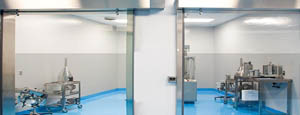
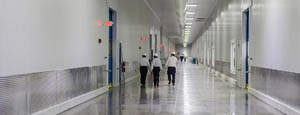
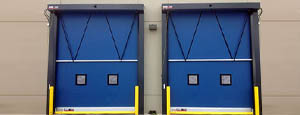
- Clean Room
Stainless steel or composite materials help maintain clean rooms.
-
-
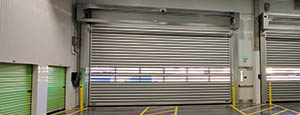
- Coolers
Quick opening speeds & tight seals for temperature control.
-
-
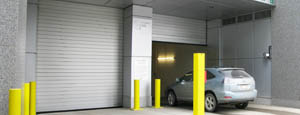
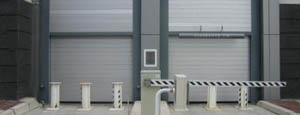
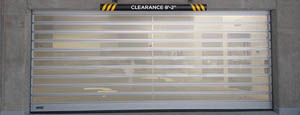
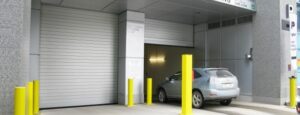
- Parking
Improve security & traffic flow and enhance architectural style.
-
-
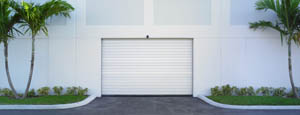
- Hurricane Zone
Withstand winds up to 175 mph and comply with the Florida Building Code.
-
-
-
-
- USDA / FDA / cGMP
Increase productivity & address stringent USDA, FDA & cGMP requirements.
-
-
- Freezers
High-speed & perimeter seals minimize the air exchange between areas.
-
-
- Security
High speed & durability ensure secure access.
-
-
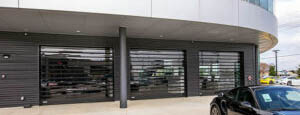
- Ventilation
Perforated or screen door panels allow improved air circulation.
-
-
-
-
- Fire Station Emergency Response
When time is of the essence, high speed and reliability are crucial.
-
-
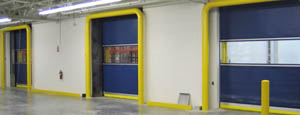
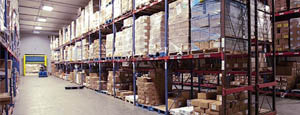
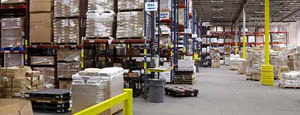
- Warehousing
Fast cycle times and secure seals keep environments separated.
-
-
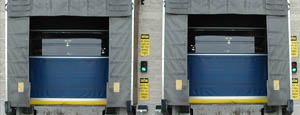
- Loading Dock
Rugged design & secure seal for oversized openings.
-
-
- Large Openings
Break-away functionality with rugged design seals oversized openings.
-
-
-
-
- Heavy Equipment
Withstands challenges of heavy equipment and fleet truck/car wash environments.
-
-
- Self-Storage
Fast opening speeds and reliable, durable construction keep facilities secure and protected.
-
-
- Industries
-
-
-
- Automotive Dealerships
Reduce energy costs, increase productivity and comfort and enhance customer perception.
-
-
- Cold Storage & Processing
Increase productivity and operational efficiency while reducing energy and maintenance costs.
-
-
- Parking
We offer solutions for Apartment / Condo & Loft, Standalone Parking Facilities and Office Buildings
-
-
-
-
- Food & Beverage
Doors specifically engineered for USDA/FDA and cGMP environments, and assured compliance for uncompromising performance.
-
-
- Mfg/Dist/Warehousing
A complete product line allows facilities to increase efficiency and safety and reduce maintenance and energy costs.
-
-
- Government
Ensure effective security and environmental controls are maintained for critical government operations.
-
-
-
-
- Transit
Keep operations running smoothly and efficient while reducing energy and maintenance costs.
-
-
- Pharma, Nutraceutical & Biotech
Doors that offer quick, secure access, environmental control and reliability for life science facilities.
-
-
- Support Resources
- Parts
- Contact Us
- Blog/News
- Why Rytec
- Sales Rep Locator
- Careers
- Dealers
- Architectural Resources




What Are the Best Slide and Fold Doors from China?
Choosing the best slide and fold doors from China starts with performance, not appearance. A slim frame may create a clean view, but it does not prove strong insulation, smooth operation, or reliable weather sealing. The United Nations Environment Programme’s 2024 Global Status Report for Buildings and Construction estimates that buildings used 32% of global energy and produced 34% of energy-related carbon emissions in 2023. Those figures describe the sector, not doors alone. Still, they explain why glazing, frame design, and installation quality deserve careful attention.
This guide compares door options by measurable details: frame material, glass specification, panel width, hardware, drainage, finish, and available test documentation. For each supplier, ask for performance results tied to the exact configuration being quoted; a test for one size or glass package may not apply to another. Check how the panels stack, how much clear opening remains, and whether the threshold suits the project. Small details matter. Manufacturer brochures can look persuasive, yet omit the limitations buyers need to know. That is worth questioning. There is no single best system for every climate, building, or budget. A coastal home, a compact balcony, and a wide garden opening place different demands on the same product. The strongest choice is the one whose documented performance, fabrication quality, and after-sales support match the actual site.
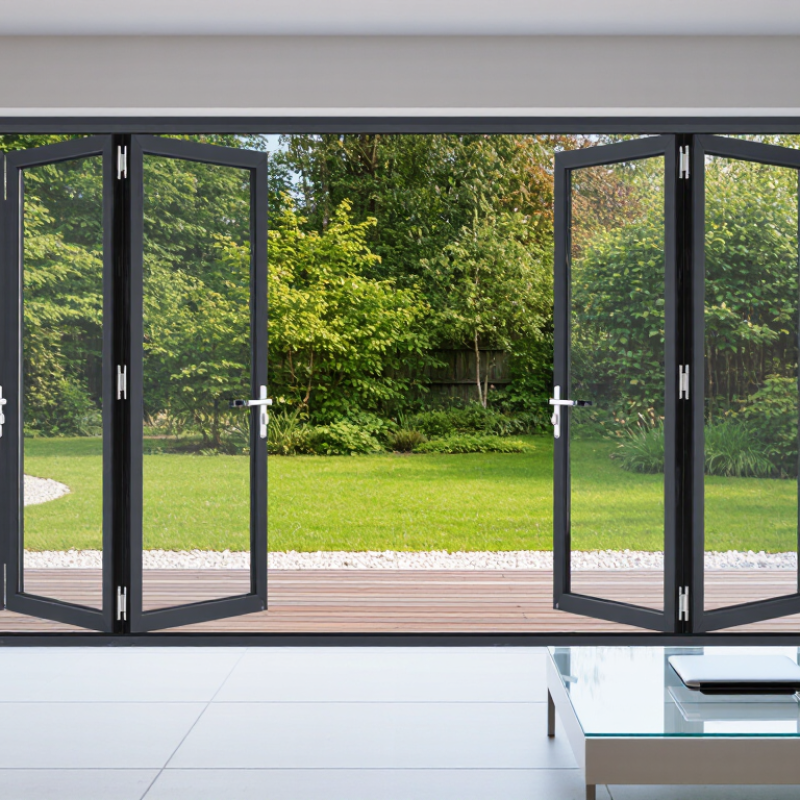
Table of Contents
[Hide]
What Slide and Fold Doors Are and How They Work
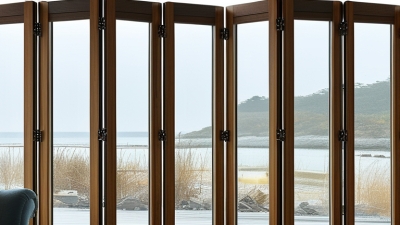
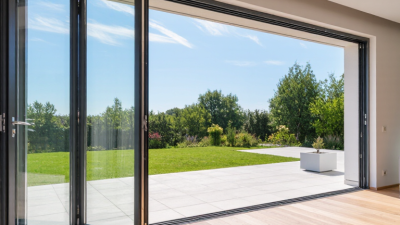
Slide and fold doors use linked panels that slide along a track and fold together at one side of an opening. Hinges connect the panels, while rollers or carriers guide their movement. Depending on the design, the system may use a top track, a floor track, or both. The exact hardware varies.
To open the door, you release its locking handle and guide the leading panel along the track. As it moves, the hinged panels gather into a compact stack. The opening becomes wide, but the folded panels still take up some space. Not quite invisible. When closed, the panels align within the frame, and seals around their edges help limit drafts and rain entry.
Smooth operation depends on accurate measuring and a level installation. A slight floor slope can make panels drag or leave uneven gaps. Installers should check the opening, track support, drainage, and clearance for the stacked panels before fitting the system. Glass weight and panel size also affect hardware selection. A display model may glide effortlessly, yet a real doorway can behave differently after years of use. That detail deserves attention.
Related Posts
-

Top 10 Folding Doors That Transform Your Space into a Stylish Haven
-
Why Choose Folding Sliding Doors for Your Home?
-
Top Folding Doors for Global Buyers How to Choose?
-

2026 Top Folding Sliding Doors for Global Buyers
-
What Is the Best Foldable Door for Your Space?
-

Innovative Folding Doors Transforming Spaces with Style and Functionality