
- High-Performance Doors
-
- Applications
-
-
-
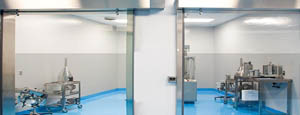
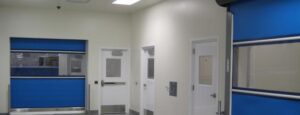
- Clean Room
Stainless steel or composite materials help maintain clean rooms.
-
-
- Coolers
Quick opening speeds & tight seals for temperature control.
-
-
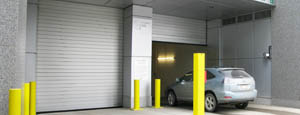
- Parking
Improve security & traffic flow and enhance architectural style.
-
-
- Hurricane Zone
Withstand winds up to 175 mph and comply with the Florida Building Code.
-
-
-
-
- USDA / FDA / cGMP
Increase productivity & address stringent USDA, FDA & cGMP requirements.
-
-
- Freezers
High-speed & perimeter seals minimize the air exchange between areas.
-
-
- Security
High speed & durability ensure secure access.
-
-
- Ventilation
Perforated or screen door panels allow improved air circulation.
-
-
-
-
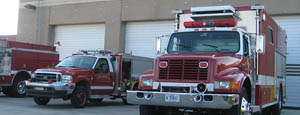
- Fire Station Emergency Response
When time is of the essence, high speed and reliability are crucial.
-
-
- Warehousing
Fast cycle times and secure seals keep environments separated.
-
-
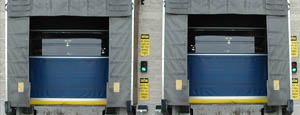
- Loading Dock
Rugged design & secure seal for oversized openings.
-
-
- Large Openings
Break-away functionality with rugged design seals oversized openings.
-
-
-
-
- Heavy Equipment
Withstands challenges of heavy equipment and fleet truck/car wash environments.
-
-
- Self-Storage
Fast opening speeds and reliable, durable construction keep facilities secure and protected.
-
-
- Industries
-
-
-
- Automotive Dealerships
Reduce energy costs, increase productivity and comfort and enhance customer perception.
-
-
- Cold Storage & Processing
Increase productivity and operational efficiency while reducing energy and maintenance costs.
-
-
- Parking
We offer solutions for Apartment / Condo & Loft, Standalone Parking Facilities and Office Buildings
-
-
-
-
- Food & Beverage
Doors specifically engineered for USDA/FDA and cGMP environments, and assured compliance for uncompromising performance.
-
-
- Mfg/Dist/Warehousing
A complete product line allows facilities to increase efficiency and safety and reduce maintenance and energy costs.
-
-
- Government
Ensure effective security and environmental controls are maintained for critical government operations.
-
-
-
-
- Transit
Keep operations running smoothly and efficient while reducing energy and maintenance costs.
-
-
- Pharma, Nutraceutical & Biotech
Doors that offer quick, secure access, environmental control and reliability for life science facilities.
-
-
- Support Resources
- Parts
- Contact Us
- Blog/News
- Why Rytec
- Sales Rep Locator
- Careers
- Dealers
- Architectural Resources





What Is the Best Rolling Garage Door from China?
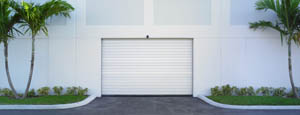
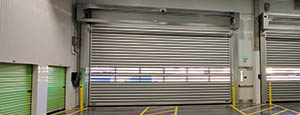
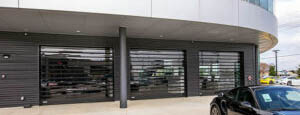
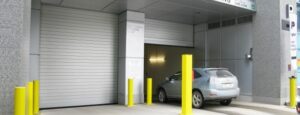
Choosing the best rolling garage door from China requires more than comparing factory prices. Performance depends on materials, manufacturing control, installation support, and verified testing. A reliable rolling garage door should open smoothly, resist corrosion, and provide consistent protection through repeated daily use. Steel slats, aluminum profiles, guides, springs, motors, and safety sensors all deserve careful attention.
Small details matter. A well-finished curtain should move without scraping against the side guides. The motor should stop when an obstacle is detected. In coastal areas, powder coating and corrosion-resistant components can prevent early surface damage. In colder regions, insulated slats may reduce drafts around a workshop entrance. These features often affect the final cost more than buyers expect.
Supplier experience also matters. Established Chinese manufacturers may provide production samples, factory inspection records, load calculations, and replacement-part support. However, claims should be checked, not simply accepted. Ask for material specifications, cycle-test results, packaging photographs, and installation instructions. A video of one door operating is useful, but it cannot replace independent inspection.
The “best” option is rarely the cheapest one. It should match the opening size, climate, usage frequency, security expectations, and local installation conditions. Some buyers focus too heavily on appearance and overlook maintenance access. That mistake can become expensive.
A careful comparison should include warranty terms, lead times, communication quality, and after-sales responsibilities. Even excellent products can perform poorly when measurements are inaccurate or installers lack experience. This guide examines practical selection criteria, common weaknesses, and the questions buyers should ask before choosing a rolling garage door from China. Some recommendations may need adjustment, because every building presents different risks.
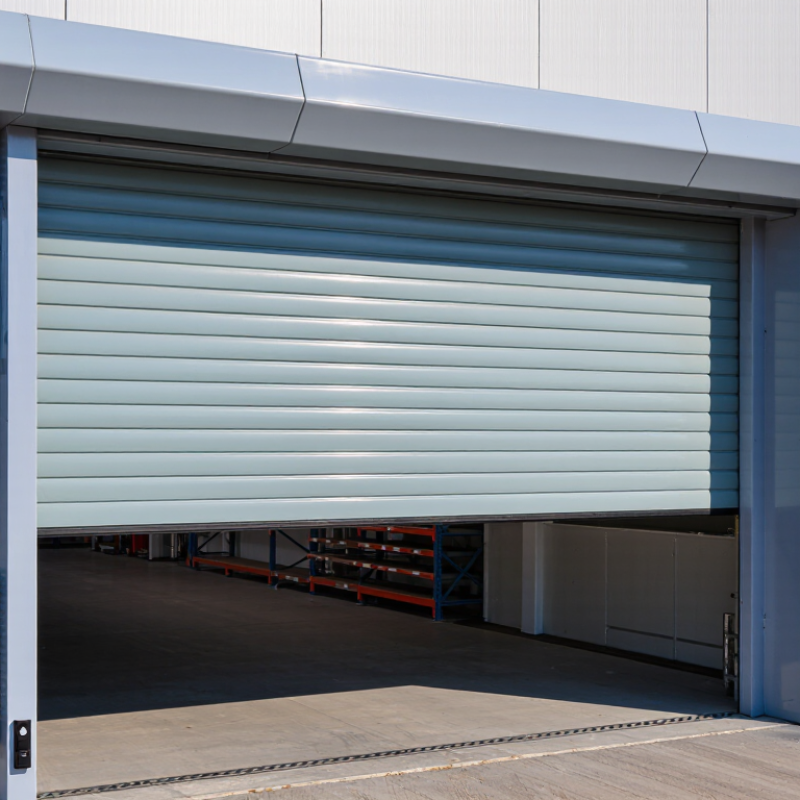
Table of Contents
[Hide]
What Makes China’s Best Rolling Garage Door? UL 325 and EN 13241
What Is the Best Rolling Garage Door from China?
China’s best rolling garage door is not defined by appearance alone. It must combine reliable manufacturing, tested safety, and practical installation support. For North American projects, UL 325 is a key reference for door operators and entrapment protection. A compliant system may include monitored photo eyes, edge sensors, controlled closing force, and emergency release functions. These details matter when a vehicle, child, or pet crosses the doorway unexpectedly.
For European projects, EN 13241 focuses on the performance and safety requirements of industrial, commercial, and residential doors. Buyers should request test reports, declaration documents, material specifications, and installation instructions. Check whether the complete door system has been assessed, not only the motor. A factory may produce a strong curtain, yet offer weak controls or unclear wiring. That is where many projects become expensive. I have found that cycle testing, corrosion checks, and repeated manual operation reveal more than polished product photos. Still, no test replaces correct installation.
Tips: Confirm the required market standard before ordering. Ask for sensor response data and force-test records. Inspect slat thickness, guide rails, shaft support, and bottom seals. Run the door through at least twenty open-and-close cycles. Listen for scraping or uneven movement. Also, leave room for doubt. A certificate can be genuine, but its scope may not cover your exact configuration. Local professionals should verify the final installation and safety settings.
What Is the Best Rolling Garage Door from China? - What Makes China’s Best Rolling Garage Door? UL 325 and EN 13241
| Evaluation Dimension | UL 325 Perspective | EN 13241 Perspective | What a High-Quality Rolling Garage Door Should Provide |
|---|---|---|---|
| Standard Scope |
North American safety focus UL 325 primarily addresses the safety of door, gate and similar operator systems, including protection against entrapment and unsafe movement. |
European product focus EN 13241 specifies product performance and safety requirements for industrial, commercial and garage doors and gates. |
The supplier should identify the exact door assembly, operator and market requirements instead of treating UL 325 and EN 13241 as interchangeable certifications. |
| Intended Application | Suitable for projects where a powered rolling door operator is intended for markets that require compliance with applicable North American requirements. | Suitable for industrial, commercial and residential garage-door applications covered by the European product standard. | The door should be selected according to opening size, traffic frequency, indoor or outdoor use, climate, security needs and local building regulations. |
| Entrapment Protection | Operator safety depends on appropriate monitored or otherwise compliant external protection devices, such as photoelectric sensors, sensing edges or equivalent safeguards. | The completed door must address risks from crushing, shearing, impact and drawing-in through suitable design, protective devices and verification. | Include tested safety edges, photoelectric protection where required, controlled closing force, safe stopping and reversing, and protection of accessible hazardous gaps. |
| Door Construction | UL 325 does not by itself define all material and performance requirements for every rolling-door curtain or assembly. | EN 13241 covers performance characteristics of the finished door or gate, with applicable assessment and verification procedures. | Use corrosion-resistant guides, correctly aligned end plates, a stable barrel, durable curtain materials and a bottom profile designed for the operating environment. |
| Wind Resistance | Wind performance is normally determined through the applicable project, building-code and product requirements rather than by UL 325 alone. | Wind load resistance is a relevant performance characteristic when it applies to the door’s intended use and declared configuration. | The quotation should state the design wind pressure or wind class, maximum opening dimensions and guide arrangement. The stated rating must match the actual installation. |
| Emergency Operation | Powered systems should provide safe control and an appropriate means of operating the door during power loss or equipment malfunction, according to the installation requirements. | The door’s safe-use characteristics should include suitable manual, emergency or controlled operation where required by the application and risk assessment. | Provide an accessible manual override or emergency release, clear operating instructions and a method that prevents uncontrolled curtain movement. |
| Control System | Controls, wiring and protective devices must be compatible with the operator and configured to prevent unintended operation and entrapment hazards. | The complete powered door system must be assessed as an integrated installation, including control functions and protective measures. | Use clearly marked controls, reliable limit settings, overload protection, emergency stop functions where applicable and secure access to control components. |
| Electrical Safety | Electrical components and operator installation must comply with the applicable electrical and product requirements for the destination market. | Electrical and control risks must be addressed as part of the complete powered-door conformity assessment. | Require documented voltage, frequency, protection rating, grounding method, cable specifications and ingress protection suitable for the installation location. |
| Durability and Cycle Life | Cycle-life expectations are generally project-specific and should not be inferred from UL 325 compliance alone. | Durability and repeated operation may be relevant declared performance characteristics, depending on the door type and intended use. | Request a stated cycle-life rating, maintenance schedule, replacement-part availability and test records for the curtain, guides, bearings, motor and control system. |
| Thermal and Acoustic Performance | These properties are normally selected according to the project specification and applicable regional requirements. | Thermal resistance, air permeability, water tightness and acoustic performance may be relevant declared characteristics when applicable to the product and project. | For conditioned spaces, specify insulated slats, sealing profiles, declared thermal values, air-leakage performance and noise expectations rather than relying only on marketing descriptions. |
| Fire and Smoke Requirements | Fire-rated or smoke-control doors may require separate approvals and installation rules; ordinary rolling-door operator compliance is not a fire rating. | Fire and smoke characteristics, where applicable, are subject to separate product and regulatory requirements and should not be assumed from EN 13241 alone. | If fire or smoke performance is required, obtain product-specific evidence, tested configuration details, installation limitations and local authority acceptance. |
| Documentation and Traceability | The supplier should provide operator instructions, wiring information, safety-device details and records relevant to the destination market. | The supplier should provide technical documentation, performance information, installation instructions and conformity documentation appropriate to the product. | Verify drawings, manuals, parts lists, test reports, serial-number traceability, inspection records and a clear declaration of the standards actually covered. |
| Installation Quality | Correct installation is essential because operator safety depends on the interaction between the door, controls, sensors and surrounding structure. | The installed door must correspond to the assessed configuration and be installed according to the manufacturer’s instructions and applicable local rules. | Use trained installers, confirm structural fixing points, check curtain alignment and verify opening, closing, stopping, reversing and emergency functions after installation. |
| Best-Choice Indicator | The strongest option is one with documented operator safety, compatible entrapment protection and evidence applicable to the destination market. | The strongest option is one with declared performance, appropriate conformity documentation and a configuration that matches the intended installation. | Choose the supplier that offers transparent technical data, independent test evidence, complete manuals, consistent production quality, spare parts and responsive after-sales support. |
Important: UL 325 and EN 13241 address different aspects of rolling-door compliance and are not direct substitutes. The required standards, testing, marking and installation approvals depend on the destination country, door configuration, operator type and local regulations.
Related Posts
-
2026 Top Roll Up Security Doors What Buyers Need to Know
-
2026 Top Bifold Sliding Doors Trends for Global Buyers?
-
2026 Top Folding Sliding Doors for Global Buyers
-
Exploring the Benefits of Concertina Doors in 2026 Top Design Trends?
-
How to Choose the Best Overhead Garage Doors for Your Home
-
How to Choose the Best Foldable Door for Your Space?