
- High-Performance Doors
-
- Applications
-
-
-
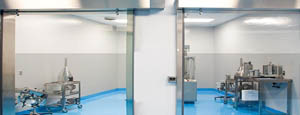
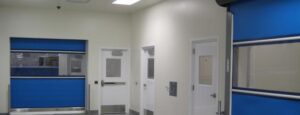
- Clean Room
Stainless steel or composite materials help maintain clean rooms.
-
-
- Coolers
Quick opening speeds & tight seals for temperature control.
-
-
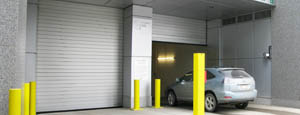
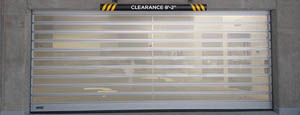
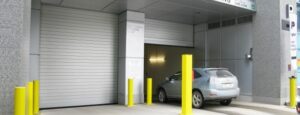
- Parking
Improve security & traffic flow and enhance architectural style.
-
-
- Hurricane Zone
Withstand winds up to 175 mph and comply with the Florida Building Code.
-
-
-
-
- USDA / FDA / cGMP
Increase productivity & address stringent USDA, FDA & cGMP requirements.
-
-
- Freezers
High-speed & perimeter seals minimize the air exchange between areas.
-
-
- Security
High speed & durability ensure secure access.
-
-
- Ventilation
Perforated or screen door panels allow improved air circulation.
-
-
-
-
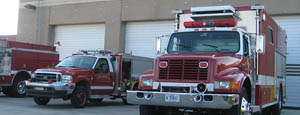
- Fire Station Emergency Response
When time is of the essence, high speed and reliability are crucial.
-
-
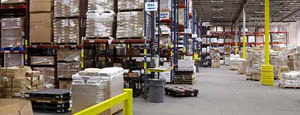
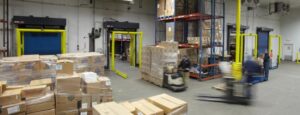
- Warehousing
Fast cycle times and secure seals keep environments separated.
-
-
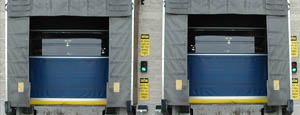
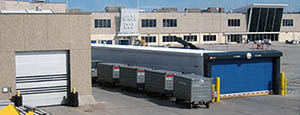
- Loading Dock
Rugged design & secure seal for oversized openings.
-
-
- Large Openings
Break-away functionality with rugged design seals oversized openings.
-
-
-
-
- Heavy Equipment
Withstands challenges of heavy equipment and fleet truck/car wash environments.
-
-
- Self-Storage
Fast opening speeds and reliable, durable construction keep facilities secure and protected.
-
-
- Industries
-
-
-
- Automotive Dealerships
Reduce energy costs, increase productivity and comfort and enhance customer perception.
-
-
- Cold Storage & Processing
Increase productivity and operational efficiency while reducing energy and maintenance costs.
-
-
- Parking
We offer solutions for Apartment / Condo & Loft, Standalone Parking Facilities and Office Buildings
-
-
-
-
- Food & Beverage
Doors specifically engineered for USDA/FDA and cGMP environments, and assured compliance for uncompromising performance.
-
-
- Mfg/Dist/Warehousing
A complete product line allows facilities to increase efficiency and safety and reduce maintenance and energy costs.
-
-
- Government
Ensure effective security and environmental controls are maintained for critical government operations.
-
-
-
-
- Transit
Keep operations running smoothly and efficient while reducing energy and maintenance costs.
-
-
- Pharma, Nutraceutical & Biotech
Doors that offer quick, secure access, environmental control and reliability for life science facilities.
-
-
- Support Resources
- Parts
- Contact Us
- Blog/News
- Why Rytec
- Sales Rep Locator
- Careers
- Dealers
- Architectural Resources
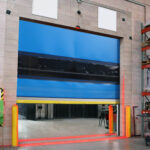
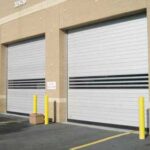
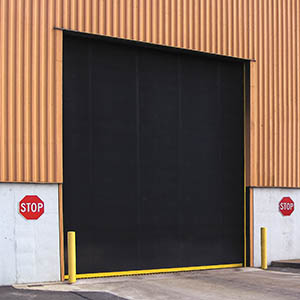
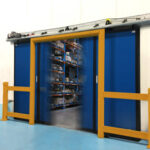


Best Roll Up Doors for Commercial Use in 2026?
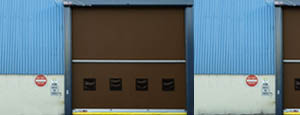
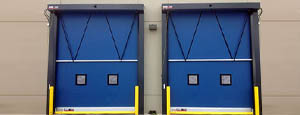
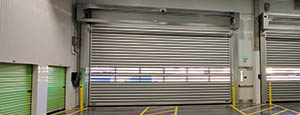
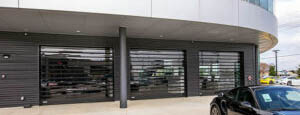
As the commercial sector evolves, the search for the best roll up doors in 2026 becomes crucial. Industry expert Mike Thompson, known for his extensive work on commercial door solutions, once said, "The right roll up door can enhance efficiency and security." This statement rings true as businesses adapt to new demands.
Choosing a roll up door involves careful consideration of various factors. Materials, insulation, and operation mechanics impact functionality. For instance, some doors offer enhanced durability for high-traffic areas, while others prioritize insulation for energy savings.
In this dynamic market, challenges remain. Not every door fits every business need. Companies often grapple with finding the perfect balance between cost and quality. Exploring multiple options, while reflecting on specific requirements, is essential as we head into 2026. The right roll up door can define operational success in a competitive landscape.

Table of Contents
[Hide]
Top Features of Roll Up Doors for Commercial Applications
When considering roll-up doors for commercial applications, several key features stand out. Durability is crucial. These doors must withstand frequent use and harsh conditions. Steel and aluminum are popular materials. They offer strength and resistance to rust. Ease of operation is another important factor. Smooth, effortless movement enhances user experience. Automatic options provide convenience, but manual systems can be more reliable in certain environments.
Security features cannot be overlooked. Roll-up doors should have robust locking mechanisms. This protects valuable assets and sensitive areas. Insulation is essential as well. Proper insulation improves energy efficiency while minimizing noise. Weather-sealed designs help keep out moisture and pests.
While these features are vital, some aspects may need more reflection. Installation may pose challenges, especially in older buildings. Maintenance requirements can also be tricky. Regular checks are necessary to ensure optimal performance. A door that fails to function properly can disrupt operations. Balancing functionality with aesthetic appeal remains a constant challenge in design.
Best Roll Up Doors for Commercial Use in 2026
| Feature | Description | Benefits |
|---|---|---|
| Material | Typically made from aluminum, steel, or fiberglass | Durability and resistance to damage |
| Insulation | Available in insulated and non-insulated options | Energy efficiency and temperature control |
| Security Features | Locking mechanisms, reinforced materials | Enhanced protection against theft and vandalism |
| Operation Type | Manual or automated options available | Convenience and efficiency in daily operations |
| Customization | Various sizes, colors, and design options | Tailored solutions to fit specific business needs |
| Maintenance | Low-maintenance options with easy service access | Cost-effective over the lifecycle of the door |
Related Posts
-
How to Choose the Best Roll Up Security Doors for Your Business?
-
2026 How to Choose the Right Roll Up Security Doors for Your Business?
-
How to Choose the Best Interior Roll Up Doors for Your Space
-
2025 Top Steel Roll Up Doors: Benefits, Features, and Buying Guide
-
Top Benefits of Insulated Roll Up Garage Doors for Your Home
-
Why Choose Steel Roll Up Doors for Your Business Needs?