
- High-Performance Doors
-
- Applications
-
-
-
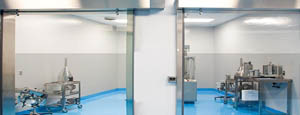
- Clean Room
Stainless steel or composite materials help maintain clean rooms.
-
-
- Coolers
Quick opening speeds & tight seals for temperature control.
-
-
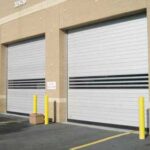
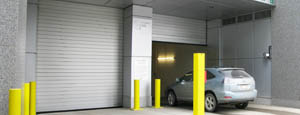
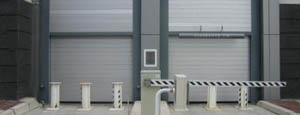
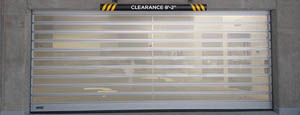
- Parking
Improve security & traffic flow and enhance architectural style.
-
-
- Hurricane Zone
Withstand winds up to 175 mph and comply with the Florida Building Code.
-
-
-
-
- USDA / FDA / cGMP
Increase productivity & address stringent USDA, FDA & cGMP requirements.
-
-
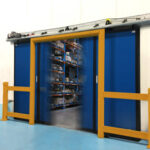
- Freezers
High-speed & perimeter seals minimize the air exchange between areas.
-
-
- Security
High speed & durability ensure secure access.
-
-
- Ventilation
Perforated or screen door panels allow improved air circulation.
-
-
-
-
- Fire Station Emergency Response
When time is of the essence, high speed and reliability are crucial.
-
-
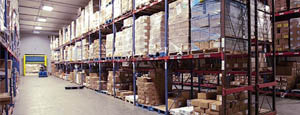
- Warehousing
Fast cycle times and secure seals keep environments separated.
-
-
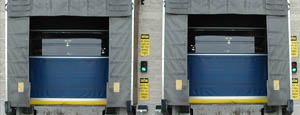
- Loading Dock
Rugged design & secure seal for oversized openings.
-
-
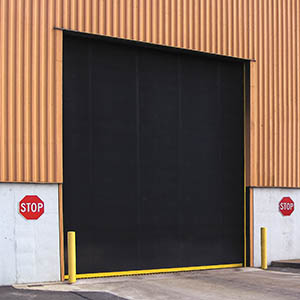
- Large Openings
Break-away functionality with rugged design seals oversized openings.
-
-
-
-
- Heavy Equipment
Withstands challenges of heavy equipment and fleet truck/car wash environments.
-
-
- Self-Storage
Fast opening speeds and reliable, durable construction keep facilities secure and protected.
-
-
- Industries
-
-
-
- Automotive Dealerships
Reduce energy costs, increase productivity and comfort and enhance customer perception.
-
-
- Cold Storage & Processing
Increase productivity and operational efficiency while reducing energy and maintenance costs.
-
-
- Parking
We offer solutions for Apartment / Condo & Loft, Standalone Parking Facilities and Office Buildings
-
-
-
-
- Food & Beverage
Doors specifically engineered for USDA/FDA and cGMP environments, and assured compliance for uncompromising performance.
-
-
- Mfg/Dist/Warehousing
A complete product line allows facilities to increase efficiency and safety and reduce maintenance and energy costs.
-
-
- Government
Ensure effective security and environmental controls are maintained for critical government operations.
-
-
-
-
- Transit
Keep operations running smoothly and efficient while reducing energy and maintenance costs.
-
-
- Pharma, Nutraceutical & Biotech
Doors that offer quick, secure access, environmental control and reliability for life science facilities.
-
-
- Support Resources
- Parts
- Contact Us
- Blog/News
- Why Rytec
- Sales Rep Locator
- Careers
- Dealers
- Architectural Resources










What Are the Best Roll Up Door Sizes for Global Buyers?
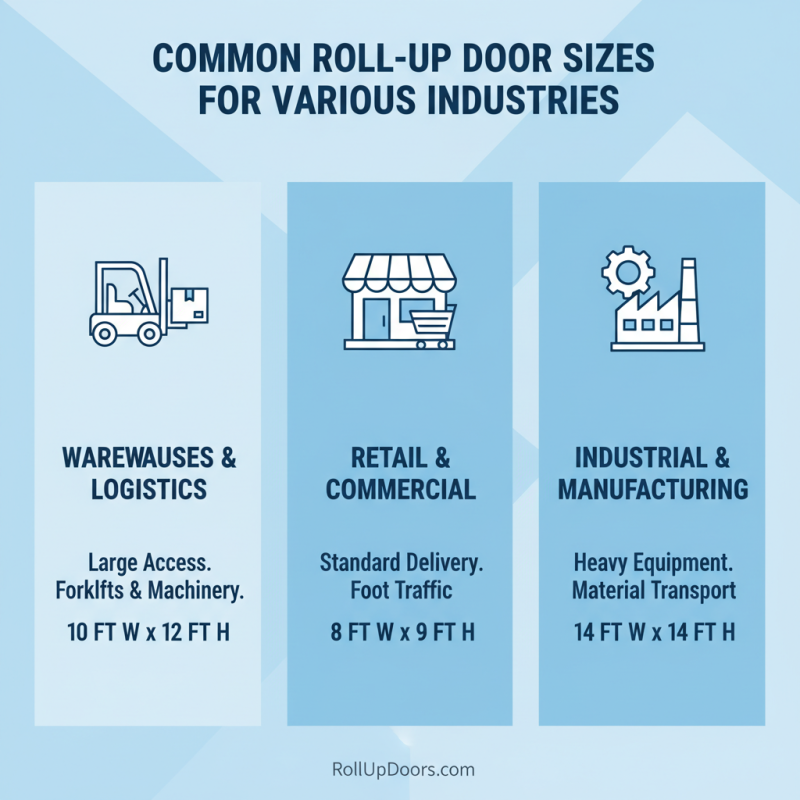
Choosing the right roll up door sizes can significantly impact your project. This decision requires careful consideration of various factors. Different industries have unique requirements. For example, a warehouse will need larger dimensions than a small retail shop.
The global market for roll up doors is diverse. Buyers must think about space utilization, height requirements, and accessibility. A standard size might not fit every need. Some might find their desired dimensions unavailable. This can lead to delays and increased costs. Understanding regional preferences is essential.
The importance of quality cannot be overstated. Reliable manufacturers offer multiple options that cater to specific needs. However, some buyers may overlook critical specifications. This oversight can result in poor functionality. Researching before purchasing will lead to wiser decisions. Consider all potential obstacles in choosing the best sizes.
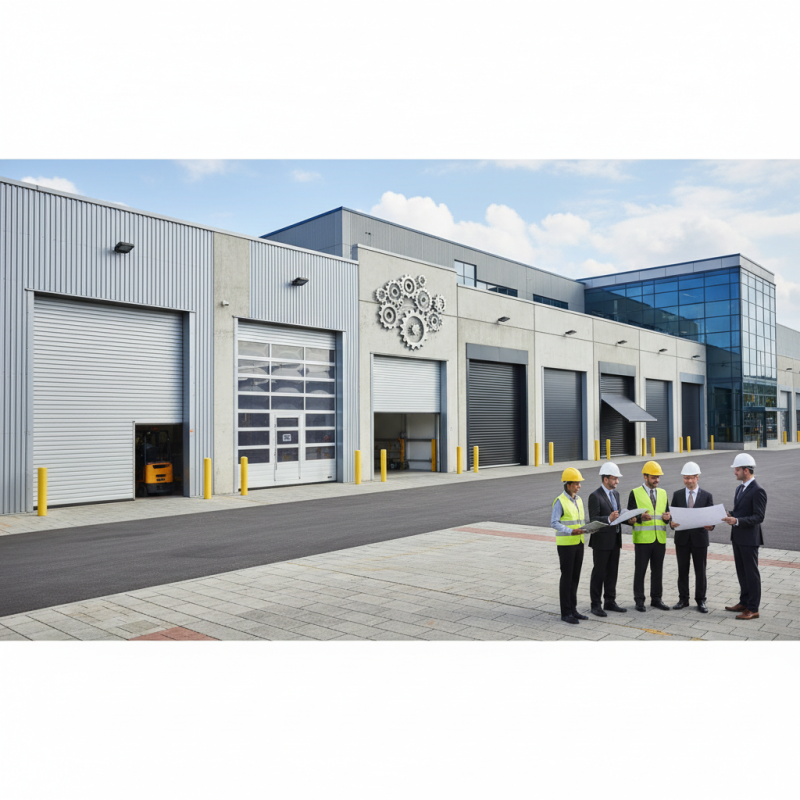
Table of Contents
[Hide]
Understanding Roll Up Door Sizes: A Global Perspective
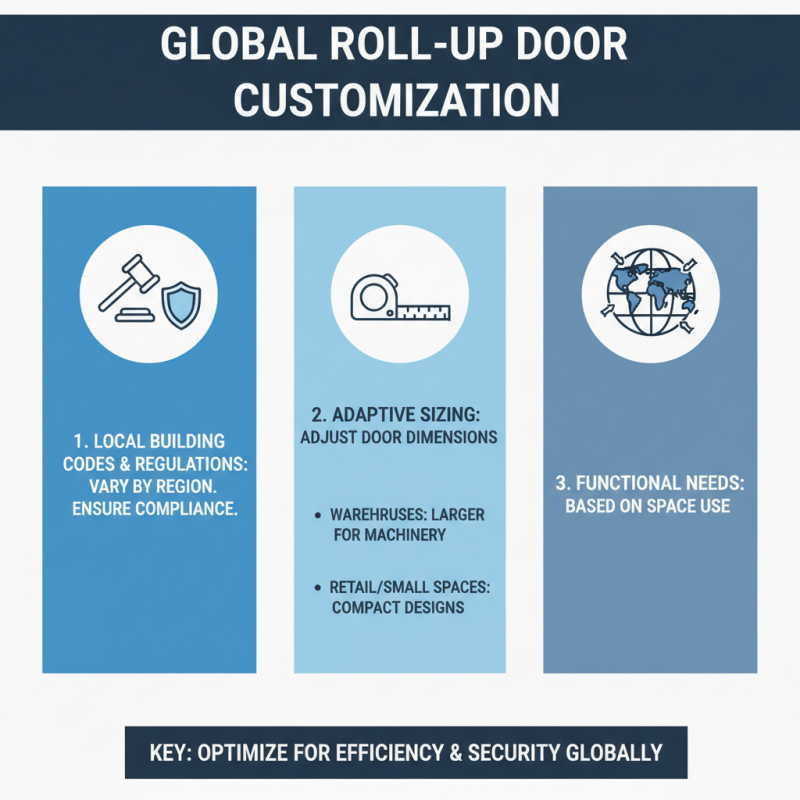
When considering roll-up door sizes, global buyers face diverse needs.
The demand for specific dimensions varies significantly across different regions. Factors like climate, industry requirements,
and local regulations play crucial roles. According to recent industry reports, the most popular sizes generally range from
8x7 feet to 16x14 feet. These dimensions often serve standard commercial
and industrial applications effectively. However, buyers should also note that customization is frequently necessary to meet
unique operational challenges.
Understanding regional differences is essential in selecting the right door size. For example, in North America, larger openings
are common due to the prevalence of freight and logistics. In contrast, European buyers may prefer smaller sizes suited for
tighter urban environments. A survey by the Global Door Association indicated that
45% of users reconsidered their initial size due to inefficiencies encountered
after installation. This emphasizes the need for careful planning before making a purchase.
The ideal roll-up door size may not always align with standard offerings. Each application presents unique considerations.
Buyers should weigh their options. Understanding local demands ensures effective investment. It also minimizes potential
installation issues. As regions evolve, preferences shift, leading to new trends in door sizing.
Related Posts
-
Why Are Roll Up Door Sizes Important for Your Property Needs?
-
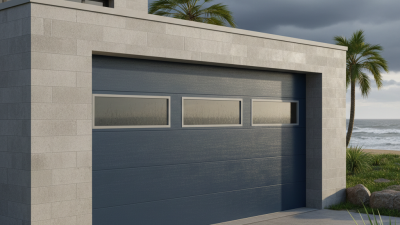
What Are the Best Hurricane Proof Garage Doors in 2026?
-
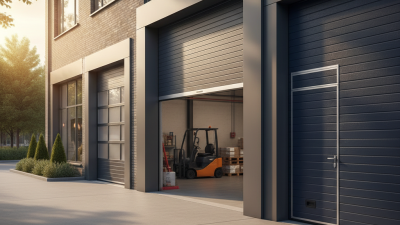
10 Best Roll Up Door Options for Your Home or Business?
-
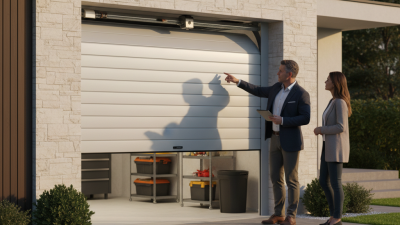
How to Choose the Best Roll Down Garage Doors for Your Needs?
-
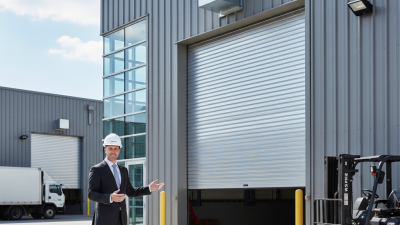
Top 10 Benefits of Overhead Coiling Doors for Your Business Needs?
-

Top 10 Folding Doors That Transform Your Space into a Stylish Haven