
- High-Performance Doors
-
- Applications
-
-
-
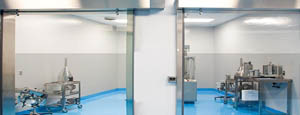
- Clean Room
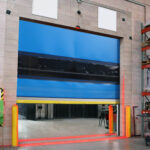
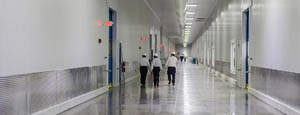
Stainless steel or composite materials help maintain clean rooms.
-
-
- Coolers
Quick opening speeds & tight seals for temperature control.
-
-
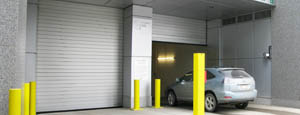
- Parking
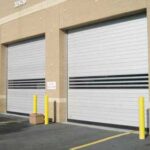
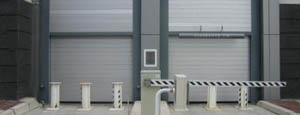
Improve security & traffic flow and enhance architectural style.
-
-
- Hurricane Zone
Withstand winds up to 175 mph and comply with the Florida Building Code.
-
-
-
-
- USDA / FDA / cGMP
Increase productivity & address stringent USDA, FDA & cGMP requirements.
-
-
- Freezers
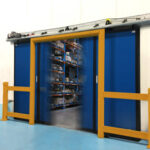
High-speed & perimeter seals minimize the air exchange between areas.
-
-
- Security
High speed & durability ensure secure access.
-
-
- Ventilation
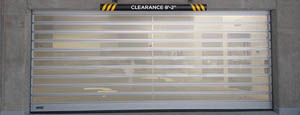
Perforated or screen door panels allow improved air circulation.
-
-
-
-
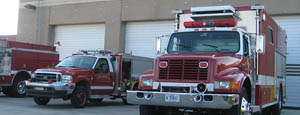
- Fire Station Emergency Response
When time is of the essence, high speed and reliability are crucial.
-
-
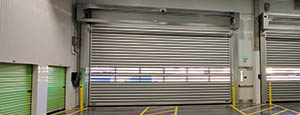
- Warehousing
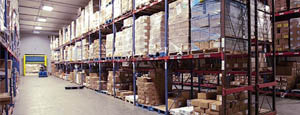
Fast cycle times and secure seals keep environments separated.
-
-
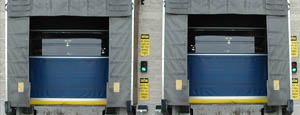
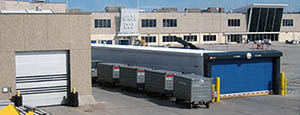
- Loading Dock
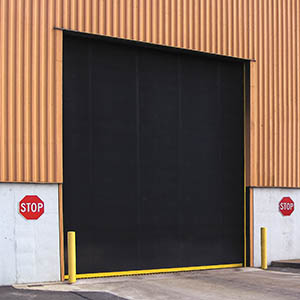
Rugged design & secure seal for oversized openings.
-
-
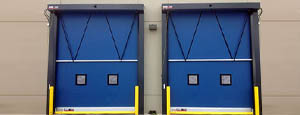
- Large Openings
Break-away functionality with rugged design seals oversized openings.
-
-
-
-
- Heavy Equipment
Withstands challenges of heavy equipment and fleet truck/car wash environments.
-
-
- Self-Storage
Fast opening speeds and reliable, durable construction keep facilities secure and protected.
-
-
- Industries
-
-
-
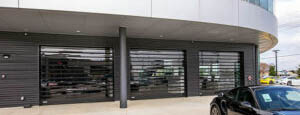
- Automotive Dealerships
Reduce energy costs, increase productivity and comfort and enhance customer perception.
-
-
- Cold Storage & Processing
Increase productivity and operational efficiency while reducing energy and maintenance costs.
-
-
- Parking
We offer solutions for Apartment / Condo & Loft, Standalone Parking Facilities and Office Buildings
-
-
-
-
- Food & Beverage
Doors specifically engineered for USDA/FDA and cGMP environments, and assured compliance for uncompromising performance.
-
-
- Mfg/Dist/Warehousing
A complete product line allows facilities to increase efficiency and safety and reduce maintenance and energy costs.
-
-
- Government
Ensure effective security and environmental controls are maintained for critical government operations.
-
-
-
-
- Transit
Keep operations running smoothly and efficient while reducing energy and maintenance costs.
-
-
- Pharma, Nutraceutical & Biotech
Doors that offer quick, secure access, environmental control and reliability for life science facilities.
-
-
- Support Resources
- Parts
- Contact Us
- Blog/News
- Why Rytec
- Sales Rep Locator
- Careers
- Dealers
- Architectural Resources








Best Ccd Wheel Alignment Machines for Accurate Precision?
In the world of automotive service, precision is key. Expert mechanic John Smith highlights this by stating, "A good alignment can extend the life of your vehicle." The efficacy of Ccd Wheel Alignment Machines is central to achieving this precision. These machines have revolutionized the way we measure and adjust vehicle angles.
Many automotive shops rely on CCD wheel alignment machines to ensure accuracy. These machines provide detailed data, essential for optimal vehicle performance. Misalignments can lead to uneven tire wear and decreased fuel efficiency. The need for reliable equipment is crucial in addressing these issues.
However, not all CCD wheel alignment machines are created equal. Some models may lack the advanced features necessary for high-end service. Furthermore, the choice of a machine can significantly impact service quality. This industry demands ongoing evaluation of tools to keep pace with advancements.
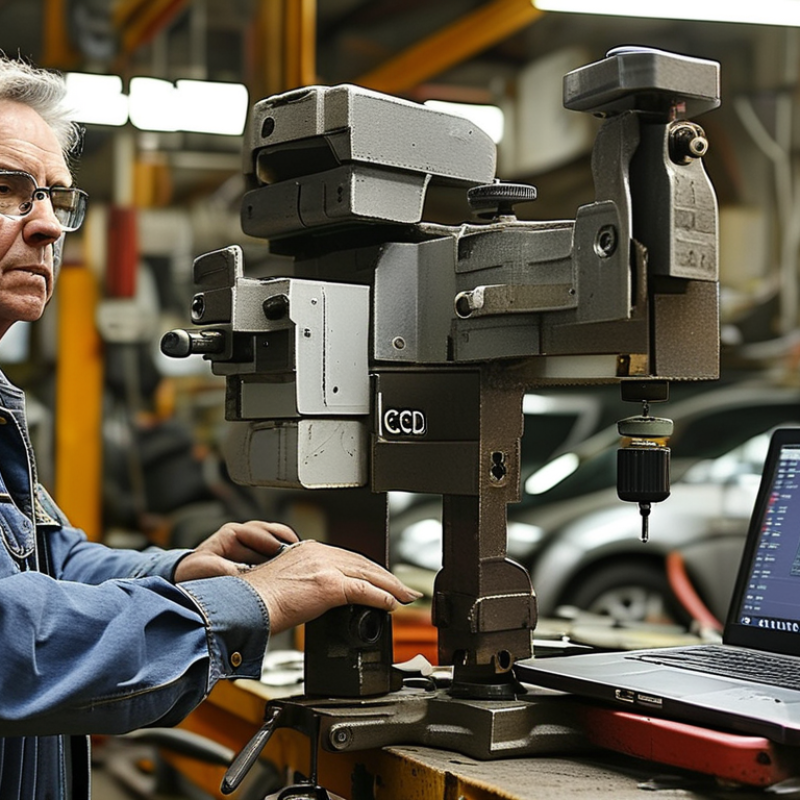
Table of Contents [Hide]
Understanding CCD Wheel Alignment Technology and Its Benefits
CCD (Charge-Coupled Device) wheel alignment technology has transformed how vehicle alignment is performed. This advanced system uses high-resolution cameras to assess wheel angles with remarkable accuracy. According to a report by the Automotive Service Association, precise wheel alignment can improve tire life by 30% and enhance fuel efficiency by up to 10%. These benefits highlight the importance of investing in superior alignment technology.
Understanding how CCD systems work is essential. CCD cameras capture images of the wheels and transmit real-time data to specialized software. This process ensures adjustments are made promptly, ensuring your vehicle remains in optimal condition. However, it is crucial to recognize that occasional misalignments can occur due to rough roads or improper installations. Regular checks are recommended.
Tip: Make it a habit to have your wheel alignment checked at least once a year or after any significant road incident.
Moreover, expert data suggests that a staggering 80% of drivers neglect regular alignment checks, often leading to unforeseen expenses in tire replacements and maintenance. By prioritizing CCD technology, mechanics can provide unbeatable accuracy while helping customers save money in the long run.