
- High-Performance Doors
-
- Applications
-
-
-
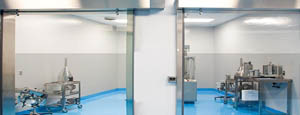
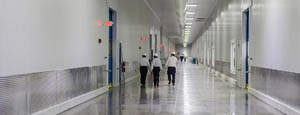
- Clean Room
Stainless steel or composite materials help maintain clean rooms.
-
-
- Coolers
Quick opening speeds & tight seals for temperature control.
-
-
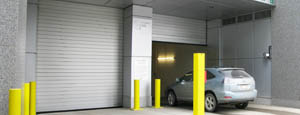
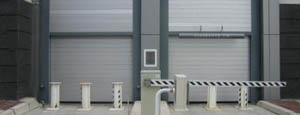
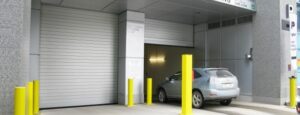
- Parking
Improve security & traffic flow and enhance architectural style.
-
-
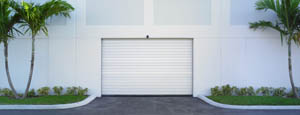
- Hurricane Zone
Withstand winds up to 175 mph and comply with the Florida Building Code.
-
-
-
-
- USDA / FDA / cGMP
Increase productivity & address stringent USDA, FDA & cGMP requirements.
-
-
- Freezers
High-speed & perimeter seals minimize the air exchange between areas.
-
-
- Security
High speed & durability ensure secure access.
-
-
- Ventilation
Perforated or screen door panels allow improved air circulation.
-
-
-
-
- Fire Station Emergency Response
When time is of the essence, high speed and reliability are crucial.
-
-
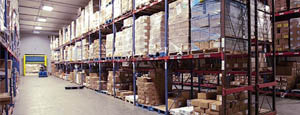
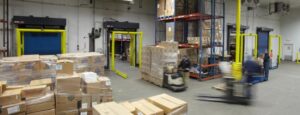
- Warehousing
Fast cycle times and secure seals keep environments separated.
-
-
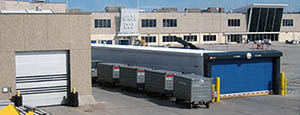
- Loading Dock
Rugged design & secure seal for oversized openings.
-
-
- Large Openings
Break-away functionality with rugged design seals oversized openings.
-
-
-
-
- Heavy Equipment
Withstands challenges of heavy equipment and fleet truck/car wash environments.
-
-
- Self-Storage
Fast opening speeds and reliable, durable construction keep facilities secure and protected.
-
-
- Industries
-
-
-
- Automotive Dealerships
Reduce energy costs, increase productivity and comfort and enhance customer perception.
-
-
- Cold Storage & Processing
Increase productivity and operational efficiency while reducing energy and maintenance costs.
-
-
- Parking
We offer solutions for Apartment / Condo & Loft, Standalone Parking Facilities and Office Buildings
-
-
-
-
- Food & Beverage
Doors specifically engineered for USDA/FDA and cGMP environments, and assured compliance for uncompromising performance.
-
-
- Mfg/Dist/Warehousing
A complete product line allows facilities to increase efficiency and safety and reduce maintenance and energy costs.
-
-
- Government
Ensure effective security and environmental controls are maintained for critical government operations.
-
-
-
-
- Transit
Keep operations running smoothly and efficient while reducing energy and maintenance costs.
-
-
- Pharma, Nutraceutical & Biotech
Doors that offer quick, secure access, environmental control and reliability for life science facilities.
-
-
- Support Resources
- Parts
- Contact Us
- Blog/News
- Why Rytec
- Sales Rep Locator
- Careers
- Dealers
- Architectural Resources

What Is the Best Air Screen Cleaner for Global Buyers?
For global buyers, choosing the best air screen cleaner is not as simple as comparing prices or product photographs. Different markets face different air conditions, including desert dust, traffic particles, workshop residue, and seasonal pollen. A cleaner that performs well in a sealed office may struggle in a busy warehouse. It may also require filters that are difficult to replace locally.
Indoor-air-quality researcher Dr. Jeffrey Siegel has repeatedly emphasized, “There is no silver bullet for indoor air quality.” This warning matters when evaluating an air screen cleaner. No single device removes every pollutant, suits every room, or solves poor ventilation. Buyers should examine verified filtration performance, airflow, noise levels, energy use, maintenance access, and replacement-filter availability. Certification can support trust, but it should never replace practical testing.
Look beyond the box.
A reliable comparison should consider room size, operating hours, climate, voltage compatibility, and after-sales support. For example, a cleaner used near a dusty loading area may need stronger pre-filtration and more frequent servicing. A bedroom model may need quieter nighttime operation and lower light levels. Some products appear powerful but move too little air through the filter. Others offer impressive specifications without independent test evidence.
This guide compares air screen cleaner options from a global buyer’s perspective. It also recognizes an uncomfortable truth: product data can be incomplete, inconsistent, or difficult to verify. Careful buyers should question broad claims, request technical documents, and test performance under real conditions before placing large orders. Practical evidence matters more than polished marketing.
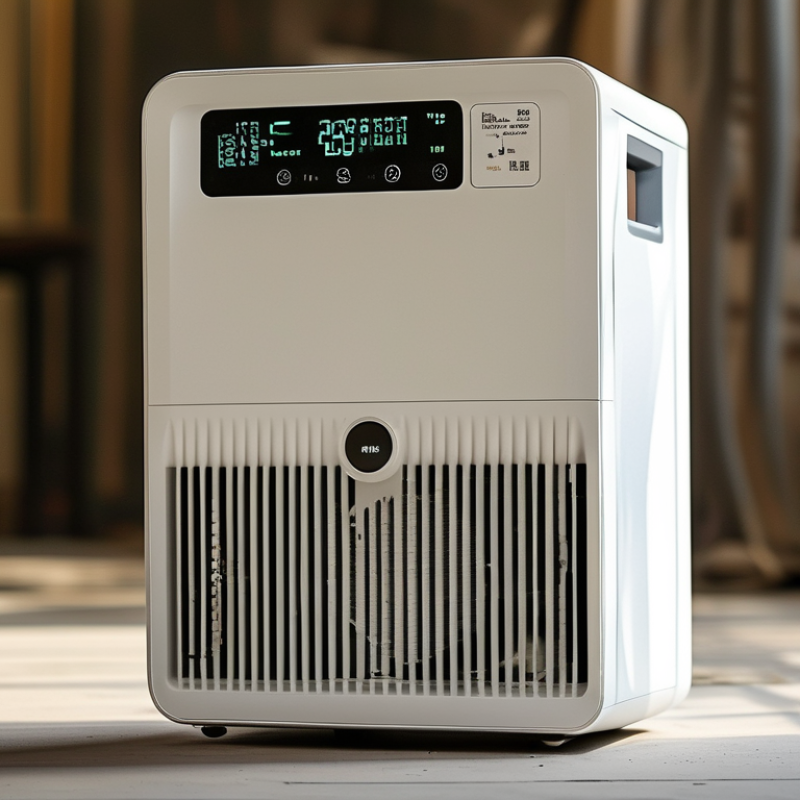
Table of Contents [Hide]
What Is an Air Screen Cleaner and How Does It Work?
An air screen cleaner is usually a compact air-cleaning unit with a visible intake screen, washable pre-filter, or filter panel.
The term is not globally standardized, so product descriptions can be confusing. In practice, the device draws room air through several stages. A fan pulls air through a coarse screen first. This stage catches hair, dust, and larger fibers. Fine particles then meet a high-efficiency filter, while activated carbon can reduce certain odors and gases.
The mechanism is simple.
Air enters, particles are trapped, and cleaner air returns through the outlet. A sealed filter chamber matters. Small gaps can allow untreated air to bypass the filter.
The U.S. Environmental Protection Agency reports that indoor pollutant levels can be two to five times higher than outdoor levels, with some pollutants much higher. This supports filtration, but it does not prove every screen cleaner performs equally. Testing conditions matter.
For global buyers, check clean air delivery rate, filter class, noise, voltage, and replacement access.
AHAM testing guidance commonly compares particle-removal performance through CADR measurements. The World Health Organization’s 2021 guideline sets annual PM2.5 exposure at 5 micrograms per cubic meter, showing why fine-particle control deserves attention.
A lower-cost screen may collect visible dust but miss microscopic particles.
That is a real weakness.
Room size labels can also be optimistic, especially with open doors or poor maintenance. Clean the outer screen regularly, and verify independent test data before choosing a unit.