
- High-Performance Doors
-
- Applications
-
-
-
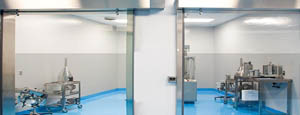
- Clean Room
Stainless steel or composite materials help maintain clean rooms.
-
-
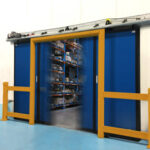
- Coolers
Quick opening speeds & tight seals for temperature control.
-
-
- Parking
Improve security & traffic flow and enhance architectural style.
-
-
- Hurricane Zone
Withstand winds up to 175 mph and comply with the Florida Building Code.
-
-
-
-
- USDA / FDA / cGMP
Increase productivity & address stringent USDA, FDA & cGMP requirements.
-
-
- Freezers
High-speed & perimeter seals minimize the air exchange between areas.
-
-
- Security
High speed & durability ensure secure access.
-
-
- Ventilation
Perforated or screen door panels allow improved air circulation.
-
-
-
-
- Fire Station Emergency Response
When time is of the essence, high speed and reliability are crucial.
-
-
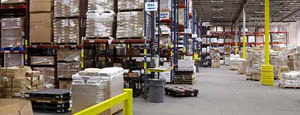
- Warehousing
Fast cycle times and secure seals keep environments separated.
-
-
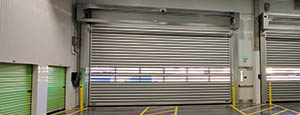
- Loading Dock
Rugged design & secure seal for oversized openings.
-
-
- Large Openings
Break-away functionality with rugged design seals oversized openings.
-
-
-
-
- Heavy Equipment
Withstands challenges of heavy equipment and fleet truck/car wash environments.
-
-
- Self-Storage
Fast opening speeds and reliable, durable construction keep facilities secure and protected.
-
-
- Industries
-
-
-
- Automotive Dealerships
Reduce energy costs, increase productivity and comfort and enhance customer perception.
-
-
- Cold Storage & Processing
Increase productivity and operational efficiency while reducing energy and maintenance costs.
-
-
- Parking
We offer solutions for Apartment / Condo & Loft, Standalone Parking Facilities and Office Buildings
-
-
-
-
- Food & Beverage
Doors specifically engineered for USDA/FDA and cGMP environments, and assured compliance for uncompromising performance.
-
-
- Mfg/Dist/Warehousing
A complete product line allows facilities to increase efficiency and safety and reduce maintenance and energy costs.
-
-
- Government
Ensure effective security and environmental controls are maintained for critical government operations.
-
-
-
-
- Transit
Keep operations running smoothly and efficient while reducing energy and maintenance costs.
-
-
- Pharma, Nutraceutical & Biotech
Doors that offer quick, secure access, environmental control and reliability for life science facilities.
-
-
- Support Resources
- Parts
- Contact Us
- Blog/News
- Why Rytec
- Sales Rep Locator
- Careers
- Dealers
- Architectural Resources






















Top Benefits of Vitamins and Supplements for Your Health?
In today's fast-paced world, many people overlook the importance of proper nutrition. Vitamins and supplements play a crucial role in maintaining optimal health. The benefits of these nutrients can significantly impact overall wellness. Research supports the idea that they can fill dietary gaps. Many individuals do not get all necessary vitamins from food alone. Some people may even struggle with absorption due to various health conditions.
Incorporating vitamins and supplements offers a straightforward solution. They provide essential nutrients that support bodily functions. Vitamins And Supplements Benefits can lead to improved energy levels, enhanced immune function, and better mental clarity. However, it's important to approach them mindfully. Over-reliance on supplements might mask underlying health issues. Balancing them with a healthy diet is essential.
The conversation around vitamins often leads to confusion. People question the need for supplements when they eat well. Yet, specific lifestyle factors can create nutrient deficiencies. Stress, age, and dietary restrictions should not be ignored. Thus, understanding the role of vitamins is vital for everyone.
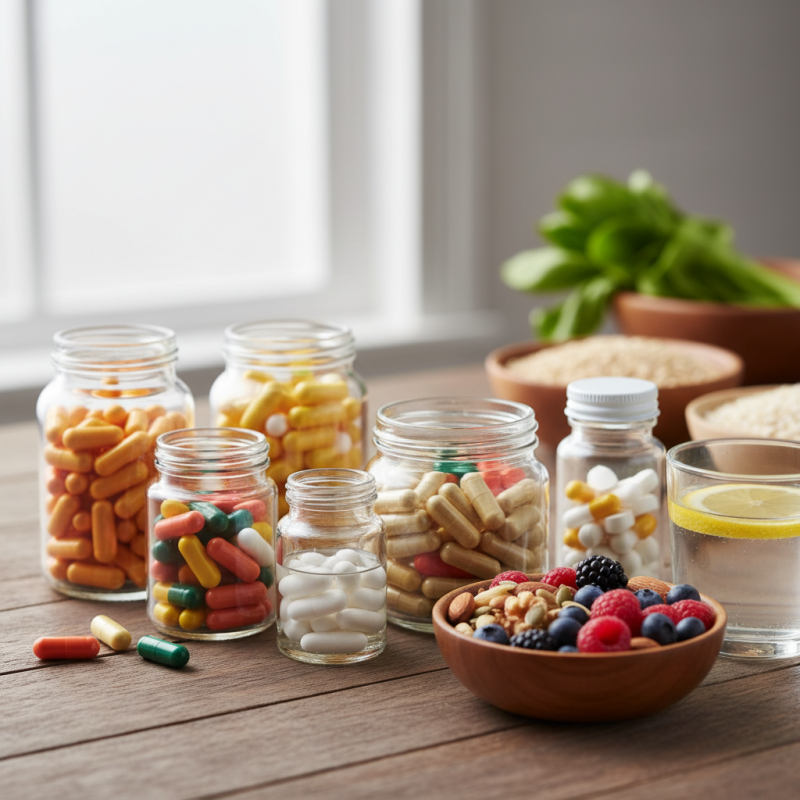
Table of Contents [Hide]
Understanding Vitamins and Supplements: An Overview of Their Importance
Vitamins and supplements play a crucial role in maintaining optimal health. They provide essential nutrients that our diets may lack. Many people do not get enough vitamins from food alone. Factors like busy lifestyles and dietary restrictions can create gaps. This is where supplements fill in.
Understanding vitamins and their functions can guide us in making better health choices. For instance, vitamin D is vital for bone health and immune function. A lack of it can lead to serious issues. Similarly, B vitamins support energy levels and brain function. However, over-reliance on supplements might mask poor dietary habits. Balancing both is key for overall wellness.
Consulting healthcare professionals can offer tailored advice. It’s important to consider individual needs. Not all supplements are suitable for everyone. Testing and monitoring nutrient levels can provide insight. Finding the right approach can be a journey filled with trial and error. Reflecting on our choices can lead to improved health outcomes.