
- High-Performance Doors
-
- Applications
-
-
-
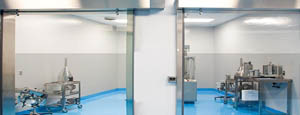
- Clean Room
Stainless steel or composite materials help maintain clean rooms.
-
-
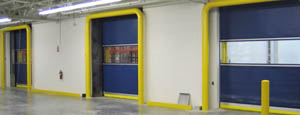
- Coolers
Quick opening speeds & tight seals for temperature control.
-
-
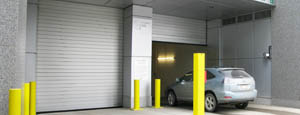
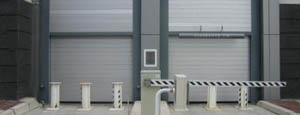
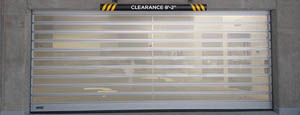
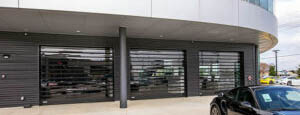
- Parking
Improve security & traffic flow and enhance architectural style.
-
-
- Hurricane Zone
Withstand winds up to 175 mph and comply with the Florida Building Code.
-
-
-
-
- USDA / FDA / cGMP
Increase productivity & address stringent USDA, FDA & cGMP requirements.
-
-
- Freezers
High-speed & perimeter seals minimize the air exchange between areas.
-
-
- Security
High speed & durability ensure secure access.
-
-
- Ventilation
Perforated or screen door panels allow improved air circulation.
-
-
-
-
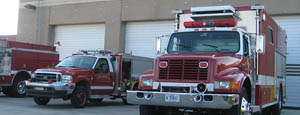
- Fire Station Emergency Response
When time is of the essence, high speed and reliability are crucial.
-
-
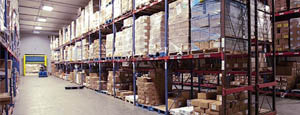
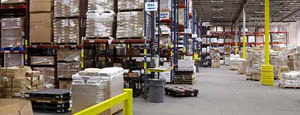
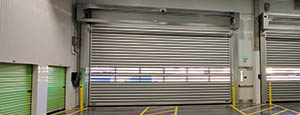
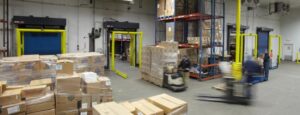
- Warehousing
Fast cycle times and secure seals keep environments separated.
-
-
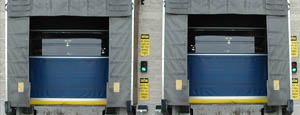
- Loading Dock
Rugged design & secure seal for oversized openings.
-
-
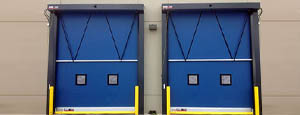
- Large Openings
Break-away functionality with rugged design seals oversized openings.
-
-
-
-
- Heavy Equipment
Withstands challenges of heavy equipment and fleet truck/car wash environments.
-
-
- Self-Storage
Fast opening speeds and reliable, durable construction keep facilities secure and protected.
-
-
- Industries
-
-
-
- Automotive Dealerships
Reduce energy costs, increase productivity and comfort and enhance customer perception.
-
-
- Cold Storage & Processing
Increase productivity and operational efficiency while reducing energy and maintenance costs.
-
-
- Parking
We offer solutions for Apartment / Condo & Loft, Standalone Parking Facilities and Office Buildings
-
-
-
-
- Food & Beverage
Doors specifically engineered for USDA/FDA and cGMP environments, and assured compliance for uncompromising performance.
-
-
- Mfg/Dist/Warehousing
A complete product line allows facilities to increase efficiency and safety and reduce maintenance and energy costs.
-
-
- Government
Ensure effective security and environmental controls are maintained for critical government operations.
-
-
-
-
- Transit
Keep operations running smoothly and efficient while reducing energy and maintenance costs.
-
-
- Pharma, Nutraceutical & Biotech
Doors that offer quick, secure access, environmental control and reliability for life science facilities.
-
-
- Support Resources
- Parts
- Contact Us
- Blog/News
- Why Rytec
- Sales Rep Locator
- Careers
- Dealers
- Architectural Resources







Top 10 Benefits of Flexible Intramedullary Nails Explained
Flexible Intramedullary Nails have transformed orthopedic surgery. Dr. John Smith, a leading expert in the field, once stated, "These devices change how we think about bone healing." This technology offers many benefits for patients and surgeons alike.
One major advantage is the reduced recovery time. Patients often return to daily activities sooner. The minimally invasive nature of Flexible Intramedullary Nails means smaller incisions. This leads to less postoperative pain and quicker rehabilitation. The nails adjust well to the bone's natural curves, promoting better alignment and stability.
However, not all situations are ideal for these nails. It's vital to consider individual patient conditions. While the benefits are clear, the risks of complications must also be acknowledged. Continuous research and development are needed to fully maximize the potential of Flexible Intramedullary Nails. As the field evolves, it will be crucial to address the challenges that remain.
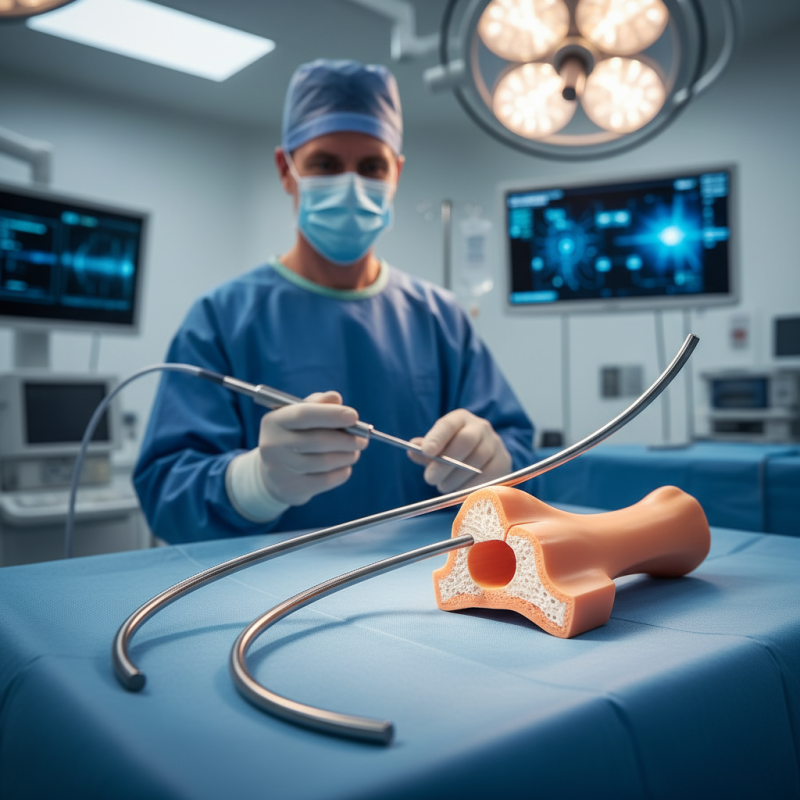
Table of Contents [Hide]
Understanding Flexible Intramedullary Nails: A Comprehensive Overview
Flexible intramedullary nails provide an innovative solution for orthopedic surgeries. They are designed to stabilize fractured bones while allowing for a more natural range of motion. Understanding their benefits can significantly influence treatment outcomes.
One major advantage of these nails is their minimal invasiveness. Surgeons can insert them with smaller incisions, which leads to reduced tissue damage. This often results in a quicker recovery for patients. However, there are cases where traditional methods might still be a better fit. Understanding each patient’s unique condition is crucial. Some may require a more rigid fix.
Flexibility in these nails allows for load sharing. This means that the bone can bear weight gradually. While this is beneficial, not all injuries may respond well. A careful assessment is essential. Additionally, the removal process can sometimes be complicated, leading to concerns about long-term implications. Each technique demands thoughtful consideration from both patients and healthcare providers.