
- High-Performance Doors
-
- Applications
-
-
-
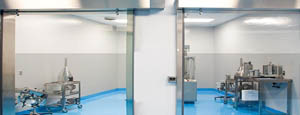
- Clean Room
Stainless steel or composite materials help maintain clean rooms.
-
-
- Coolers
Quick opening speeds & tight seals for temperature control.
-
-
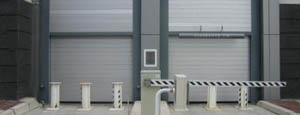
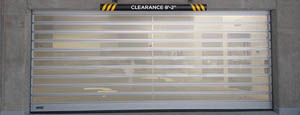
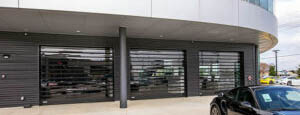
- Parking
Improve security & traffic flow and enhance architectural style.
-
-
- Hurricane Zone
Withstand winds up to 175 mph and comply with the Florida Building Code.
-
-
-
-
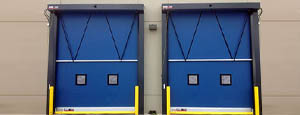
- USDA / FDA / cGMP
Increase productivity & address stringent USDA, FDA & cGMP requirements.
-
-
- Freezers
High-speed & perimeter seals minimize the air exchange between areas.
-
-
- Security
High speed & durability ensure secure access.
-
-
- Ventilation
Perforated or screen door panels allow improved air circulation.
-
-
-
-
- Fire Station Emergency Response
When time is of the essence, high speed and reliability are crucial.
-
-
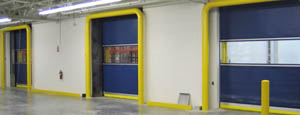
- Warehousing
Fast cycle times and secure seals keep environments separated.
-
-
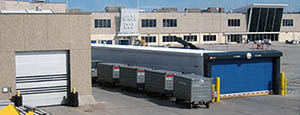
- Loading Dock
Rugged design & secure seal for oversized openings.
-
-
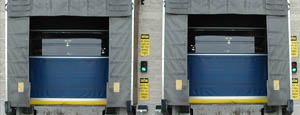
- Large Openings
Break-away functionality with rugged design seals oversized openings.
-
-
-
-
- Heavy Equipment
Withstands challenges of heavy equipment and fleet truck/car wash environments.
-
-
- Self-Storage
Fast opening speeds and reliable, durable construction keep facilities secure and protected.
-
-
- Industries
-
-
-
- Automotive Dealerships
Reduce energy costs, increase productivity and comfort and enhance customer perception.
-
-
- Cold Storage & Processing
Increase productivity and operational efficiency while reducing energy and maintenance costs.
-
-
- Parking
We offer solutions for Apartment / Condo & Loft, Standalone Parking Facilities and Office Buildings
-
-
-
-
- Food & Beverage
Doors specifically engineered for USDA/FDA and cGMP environments, and assured compliance for uncompromising performance.
-
-
- Mfg/Dist/Warehousing
A complete product line allows facilities to increase efficiency and safety and reduce maintenance and energy costs.
-
-
- Government
Ensure effective security and environmental controls are maintained for critical government operations.
-
-
-
-
- Transit
Keep operations running smoothly and efficient while reducing energy and maintenance costs.
-
-
- Pharma, Nutraceutical & Biotech
Doors that offer quick, secure access, environmental control and reliability for life science facilities.
-
-
- Support Resources
- Parts
- Contact Us
- Blog/News
- Why Rytec
- Sales Rep Locator
- Careers
- Dealers
- Architectural Resources














Top 10 Benefits of Anti Reflective Coating for Your Products?
In today's competitive market, the importance of Anti Reflective Coating cannot be overstated. This technology enhances product visibility and user experience. Dr. Emily Carter, a leading expert in optical coatings, emphasizes, "Anti Reflective Coating dramatically improves clarity and reduces glare." Her insights highlight the practical benefits this coating brings.
The application of Anti Reflective Coating has changed various industries, from eyewear to electronics. This coating minimizes reflections and enhances light transmission, making products more appealing. It is especially valuable in devices requiring clear screens. People often overlook the impact of glare on usability. Products devoid of this coating can appear unfocused and frustrating to use.
Understanding the benefits of Anti Reflective Coating is crucial for manufacturers. Investing in quality coatings not only elevates products but also reinforces brand value. However, some may hesitate due to cost implications. While the initial investment is notable, the long-term benefits often outweigh these concerns. As technology continues to evolve, embracing Anti Reflective Coating may become a necessity rather than an option.

Table of Contents [Hide]
Benefits of Anti Reflective Coating: Enhanced Optical Clarity
Anti-reflective coating significantly enhances optical clarity in various products. This technology reduces glare and reflections, allowing for sharper images. When light passes through a lens, it can scatter, causing a blurry or dull appearance. Anti-reflective coatings minimize this scattering, ensuring clearer vision.
Implementing this coating in products like eyewear and screens offers practical benefits. Users experience less eye strain, especially in bright conditions. Enhanced clarity improves the viewing experience. Accessories appear cleaner and more attractive to consumers. However, applying the coating can be challenging. If not done correctly, it may lead to imperfections. Proper technique and high-quality materials are essential for optimal results.
Feedback from users reveals mixed experiences with durability. Some find the coating scratches easily. Others appreciate the improvement in visibility. This ongoing discussion highlights the need for continuous innovation and quality assurance in production processes. Ultimately, anti-reflective coatings can elevate product performance when applied thoughtfully.
Top 10 Benefits of Anti Reflective Coating for Your Products
| Benefit | Description |
|---|---|
| Enhanced Optical Clarity | Reduces glare and enhances visual clarity, improving the overall viewing experience. |
| Improved Comfort | Minimizes eye strain and fatigue, particularly in bright environments. |
| Better Color Perception | Enhances color contrast and accuracy, making images and screens more vibrant. |
| Increased Durability | Coatings can help protect against scratches and other surface damage. |
| Reduced Reflection | Decreases the amount of light reflecting off surfaces, which can obscure visuals. |
| Cost-Effective Solution | Enhances product functionality without significantly increasing production costs. |
| Aesthetic Appeal | Improves the appearance of products by making screens and lenses clearer and more appealing. |
| Versatility | Applicable to various types of surfaces including lenses, screens, and glass products. |
| Customer Satisfaction | Enhances user experience, leading to improved customer retention and satisfaction. |
| Extended Product Lifespan | Reduces wear and tear on products, contributing to longer-lasting performance. |