
- High-Performance Doors
-
- Applications
-
-
-
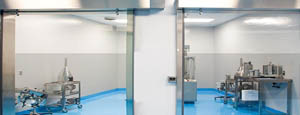
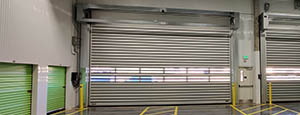
- Clean Room
Stainless steel or composite materials help maintain clean rooms.
-
-
- Coolers
Quick opening speeds & tight seals for temperature control.
-
-
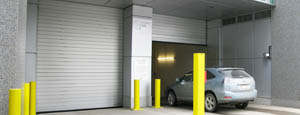
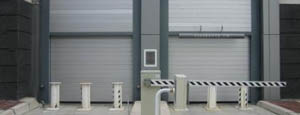
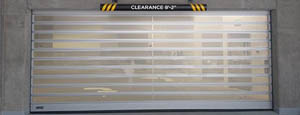
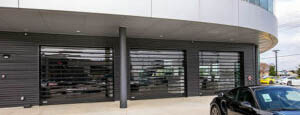
- Parking
Improve security & traffic flow and enhance architectural style.
-
-
- Hurricane Zone
Withstand winds up to 175 mph and comply with the Florida Building Code.
-
-
-
-
- USDA / FDA / cGMP
Increase productivity & address stringent USDA, FDA & cGMP requirements.
-
-
- Freezers
High-speed & perimeter seals minimize the air exchange between areas.
-
-
- Security
High speed & durability ensure secure access.
-
-
- Ventilation
Perforated or screen door panels allow improved air circulation.
-
-
-
-
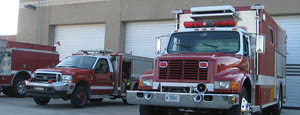
- Fire Station Emergency Response
When time is of the essence, high speed and reliability are crucial.
-
-
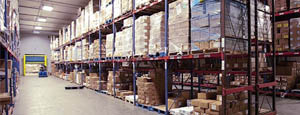
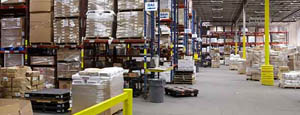
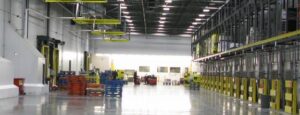
- Warehousing
Fast cycle times and secure seals keep environments separated.
-
-
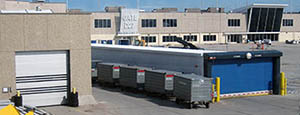
- Loading Dock
Rugged design & secure seal for oversized openings.
-
-
- Large Openings
Break-away functionality with rugged design seals oversized openings.
-
-
-
-
- Heavy Equipment
Withstands challenges of heavy equipment and fleet truck/car wash environments.
-
-
- Self-Storage
Fast opening speeds and reliable, durable construction keep facilities secure and protected.
-
-
- Industries
-
-
-
- Automotive Dealerships
Reduce energy costs, increase productivity and comfort and enhance customer perception.
-
-
- Cold Storage & Processing
Increase productivity and operational efficiency while reducing energy and maintenance costs.
-
-
- Parking
We offer solutions for Apartment / Condo & Loft, Standalone Parking Facilities and Office Buildings
-
-
-
-
- Food & Beverage
Doors specifically engineered for USDA/FDA and cGMP environments, and assured compliance for uncompromising performance.
-
-
- Mfg/Dist/Warehousing
A complete product line allows facilities to increase efficiency and safety and reduce maintenance and energy costs.
-
-
- Government
Ensure effective security and environmental controls are maintained for critical government operations.
-
-
-
-
- Transit
Keep operations running smoothly and efficient while reducing energy and maintenance costs.
-
-
- Pharma, Nutraceutical & Biotech
Doors that offer quick, secure access, environmental control and reliability for life science facilities.
-
-
- Support Resources
- Parts
- Contact Us
- Blog/News
- Why Rytec
- Sales Rep Locator
- Careers
- Dealers
- Architectural Resources






7 Chemical Anchor Buying Tips for Global Buyers
Buying a Chemical Anchor for international projects involves more than comparing cartridge prices. Performance depends on concrete strength, crack conditions, hole diameter, embedment depth, and installation temperature. A product that works in a warm warehouse may fail during a cold winter installation.
Structural fastening specialist Dr. Günther Seidl has emphasized, “Reliable anchoring begins with understanding the base material, not with choosing a brand.” This principle should guide every global purchasing decision. Buyers should request verified technical data, European Technical Assessment documentation where applicable, fire-performance classifications, and clear batch traceability. Check the resin type, shelf life, curing time, and storage requirements before approving a shipment. Small details matter.
Installation quality is equally important. Dust left inside a drilled hole can reduce bond strength. A trained installer should use the specified brush, air-cleaning method, injection nozzle, and curing interval. Do not treat these steps as optional. They are not.
Global buyers should also examine supplier experience, quality-control systems, packaging protection, and after-sales support. Ask whether technical documents match the exact product being shipped. Sometimes they do not. That uncomfortable gap deserves attention.
A lower unit price may hide higher project risk. Freight delays, damaged cartridges, unclear instructions, or inconsistent batches can create expensive rework. Compare complete delivered cost, not just the catalogue figure. The strongest purchase decision combines tested performance, dependable supply, documented installation guidance, and honest technical communication. That standard is demanding, but chemical anchoring leaves little room for convenient assumptions.
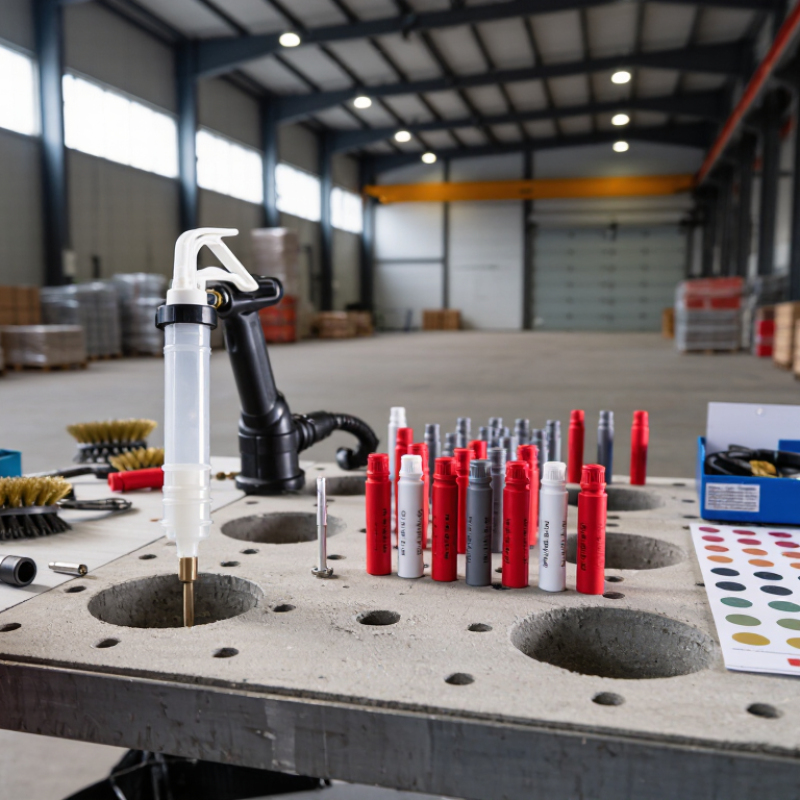
Table of Contents [Hide]
Define Project Requirements and Chemical Anchor Applications
Define Project Requirements and Chemical Anchor Applications
Chemical anchor selection starts with the structure, not the product catalogue. Record the base material, hole diameter, embedment depth, edge distance, and expected load. Concrete may be cracked, damp, aged, or contaminated with dust. Each condition changes installation performance.
Tip 1: Describe the application precisely. Is it a handrail, machinery frame, façade support, or overhead fixture? Note tension, shear, vibration, temperature, and fire exposure. A small bracket may need different testing than a heavily loaded steel column. Measure twice. Guessing creates expensive rework.
Tip 2: Check the installation environment before comparing prices. Outdoor anchors may face rain, salt air, or repeated freeze-thaw cycles. Indoor installations can still involve moisture, chemicals, or poor ventilation. Confirm curing time at the actual site temperature. A resin that cures quickly in a warm warehouse may behave differently on a cold morning.
Global buyers should request technical datasheets, installation instructions, safety information, and independent performance evidence. Verify suitability for the specific substrate and design load. Also confirm packaging dates, storage limits, language requirements, and local building rules. These details are easy to overlook. They should not be.
Tip 3: Ask for traceable batch information and practical installation guidance. Trial holes can reveal weak concrete or unexpected reinforcement. That step may feel slow, but it often prevents failure. I have seen project teams focus on unit cost and underestimate drilling tools, cleaning equipment, and installer training. The cheaper option was not cheaper after correction work.