
- High-Performance Doors
-
- Applications
-
-
-
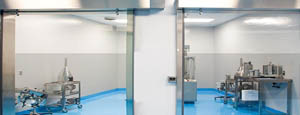
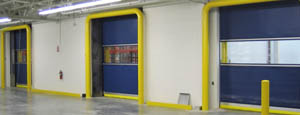
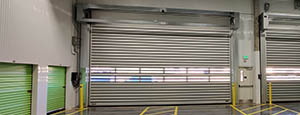
- Clean Room
Stainless steel or composite materials help maintain clean rooms.
-
-
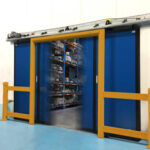
- Coolers
Quick opening speeds & tight seals for temperature control.
-
-
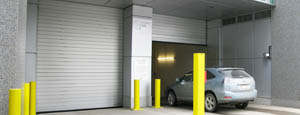
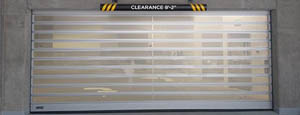
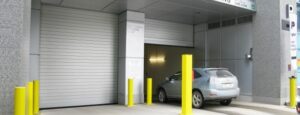
- Parking
Improve security & traffic flow and enhance architectural style.
-
-
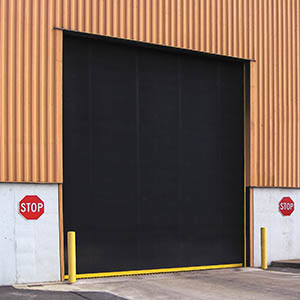
- Hurricane Zone
Withstand winds up to 175 mph and comply with the Florida Building Code.
-
-
-
-
- USDA / FDA / cGMP
Increase productivity & address stringent USDA, FDA & cGMP requirements.
-
-
- Freezers
High-speed & perimeter seals minimize the air exchange between areas.
-
-
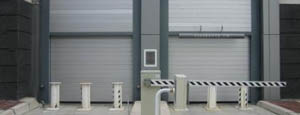
- Security
High speed & durability ensure secure access.
-
-
- Ventilation
Perforated or screen door panels allow improved air circulation.
-
-
-
-
- Fire Station Emergency Response
When time is of the essence, high speed and reliability are crucial.
-
-
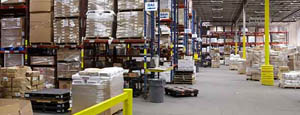
- Warehousing
Fast cycle times and secure seals keep environments separated.
-
-
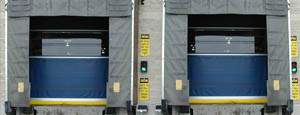
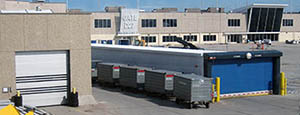
- Loading Dock
Rugged design & secure seal for oversized openings.
-
-
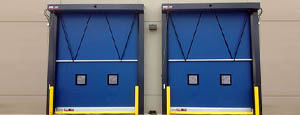
- Large Openings
Break-away functionality with rugged design seals oversized openings.
-
-
-
-
- Heavy Equipment
Withstands challenges of heavy equipment and fleet truck/car wash environments.
-
-
- Self-Storage
Fast opening speeds and reliable, durable construction keep facilities secure and protected.
-
-
- Industries
-
-
-
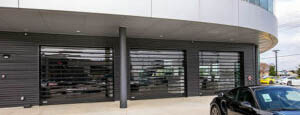
- Automotive Dealerships
Reduce energy costs, increase productivity and comfort and enhance customer perception.
-
-
- Cold Storage & Processing
Increase productivity and operational efficiency while reducing energy and maintenance costs.
-
-
- Parking
We offer solutions for Apartment / Condo & Loft, Standalone Parking Facilities and Office Buildings
-
-
-
-
- Food & Beverage
Doors specifically engineered for USDA/FDA and cGMP environments, and assured compliance for uncompromising performance.
-
-
- Mfg/Dist/Warehousing
A complete product line allows facilities to increase efficiency and safety and reduce maintenance and energy costs.
-
-
- Government
Ensure effective security and environmental controls are maintained for critical government operations.
-
-
-
-
- Transit
Keep operations running smoothly and efficient while reducing energy and maintenance costs.
-
-
- Pharma, Nutraceutical & Biotech
Doors that offer quick, secure access, environmental control and reliability for life science facilities.
-
-
- Support Resources
- Parts
- Contact Us
- Blog/News
- Why Rytec
- Sales Rep Locator
- Careers
- Dealers
- Architectural Resources










2026 Top Digital Smart Water Meter Types for Global Buyers
Choosing the right Digital Smart Water Meter is becoming a practical priority for utilities, property developers, and industrial buyers worldwide. Modern meters combine ultrasonic or electromagnetic measurement with wireless communication, leak alerts, and remote data access. Yet, impressive specifications do not automatically guarantee dependable field performance.
This guide examines the leading digital smart water meter types expected to attract global attention in 2026. It compares ultrasonic, electromagnetic, mechanical smart, prepaid, and NB-IoT-enabled models. Each type suits different conditions, including apartment buildings, municipal networks, factories, and remote sites. Accuracy class, flow range, battery life, communication coverage, and installation space deserve careful review. A meter that performs well in a laboratory may behave differently in cold climates, hard water, or unstable networks.
Real-world purchasing experience shows that total value matters more than the lowest quoted price. Certification, calibration records, cybersecurity controls, data compatibility, and after-sales support can affect operating costs for years. Buyers should verify local requirements instead of relying only on supplier brochures. Small details matter. For example, a compact meter may simplify installation but provide limited battery capacity. A cloud platform may offer useful dashboards but require stronger network management. This overview aims to provide a balanced, evidence-based starting point for international buyers. Some recommendations may change as communication standards and utility practices develop. That uncertainty deserves attention, not concealment.
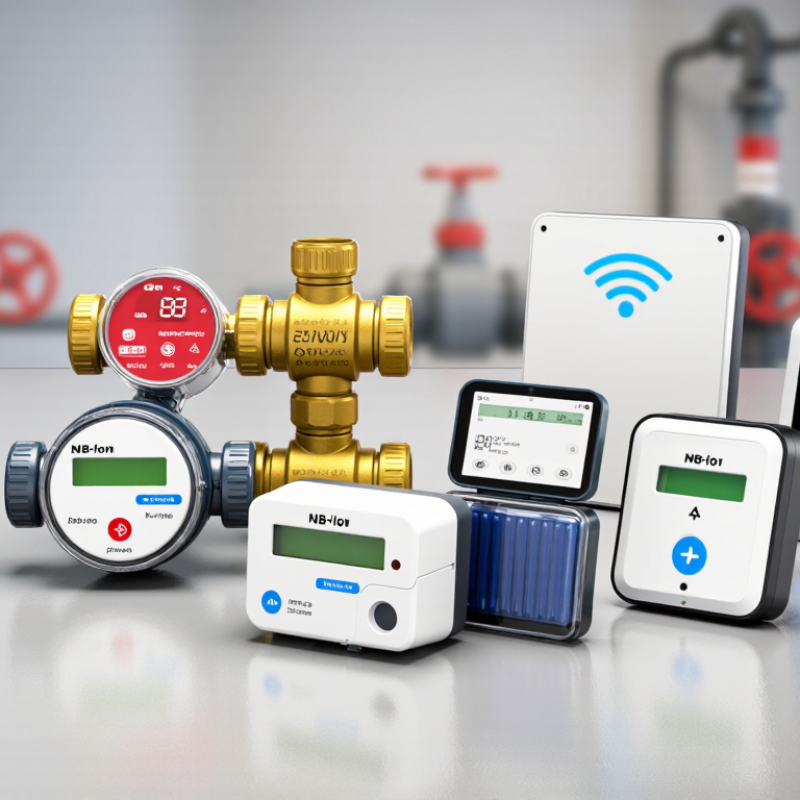
Table of Contents [Hide]
What Is a Digital Smart Water Meter?
2026 Top Digital Smart Water Meter Types for Global Buyers
A digital smart water meter measures flow electronically and records consumption at defined intervals. It may use ultrasonic, electromagnetic, or mechanical sensing technology. Unlike a basic meter, it can transmit readings through wireless networks or local communication systems. The U.S. Environmental Protection Agency describes advanced metering infrastructure as a system supporting automated collection and two-way communication.
The data can reveal night flow, sudden bursts, reverse movement, and unusual household patterns. A dry apartment may still show continuous flow at 3 a.m. That detail matters. The WHO and UNICEF Joint Monitoring Programme reported that 2.2 billion people lacked safely managed drinking water in 2022. Reliable measurement remains a practical foundation for better water management.
Smart meters usually include a sensor, processor, battery, display, and communication module. Outdoor installations need protection from condensation, flooding, pressure changes, and extreme temperatures. Field technicians also check signal strength and battery condition, not only screen accuracy. A connected meter is not automatically a smart system. Poor network coverage can delay alerts, while incorrect installation can distort data.
The label is sometimes used too loosely. Some devices only digitize readings without offering meaningful analysis. Global buyers should examine accuracy standards, data security, communication compatibility, service access, and expected battery life. The UN World Water Development Report 2024 highlights growing pressure on freshwater systems, but technology alone cannot repair weak maintenance practices. That part is easy to underestimate.