
- High-Performance Doors
-
- Applications
-
-
-
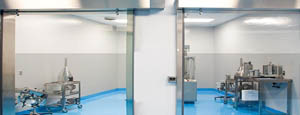
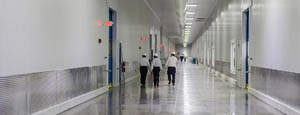
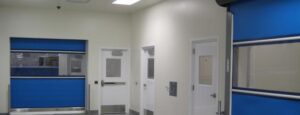
- Clean Room
Stainless steel or composite materials help maintain clean rooms.
-
-
- Coolers
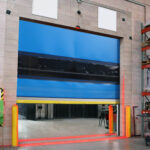
Quick opening speeds & tight seals for temperature control.
-
-
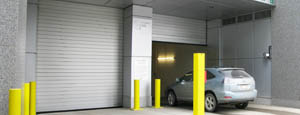
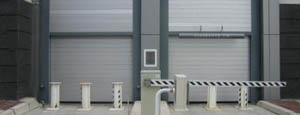
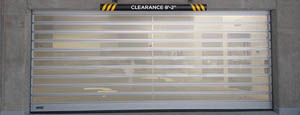
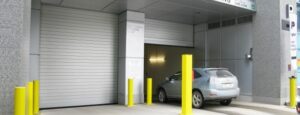
- Parking
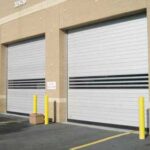
Improve security & traffic flow and enhance architectural style.
-
-
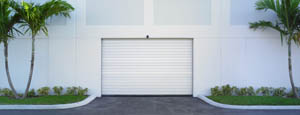
- Hurricane Zone
Withstand winds up to 175 mph and comply with the Florida Building Code.
-
-
-
-
- USDA / FDA / cGMP
Increase productivity & address stringent USDA, FDA & cGMP requirements.
-
-
- Freezers
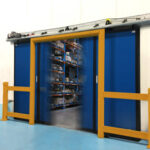
High-speed & perimeter seals minimize the air exchange between areas.
-
-
- Security
High speed & durability ensure secure access.
-
-
- Ventilation
Perforated or screen door panels allow improved air circulation.
-
-
-
-
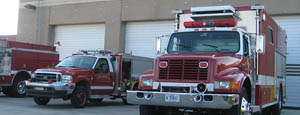
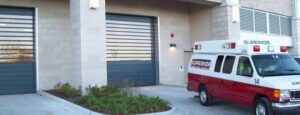
- Fire Station Emergency Response
When time is of the essence, high speed and reliability are crucial.
-
-
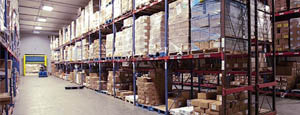
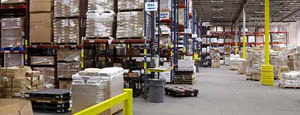
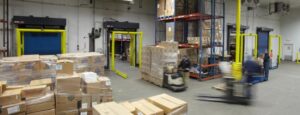
- Warehousing
Fast cycle times and secure seals keep environments separated.
-
-
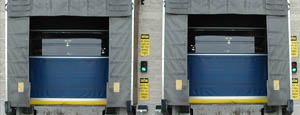
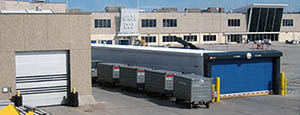
- Loading Dock
Rugged design & secure seal for oversized openings.
-
-
- Large Openings
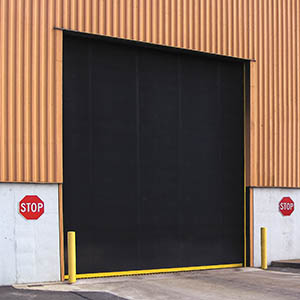
Break-away functionality with rugged design seals oversized openings.
-
-
-
-
- Heavy Equipment
Withstands challenges of heavy equipment and fleet truck/car wash environments.
-
-
- Self-Storage
Fast opening speeds and reliable, durable construction keep facilities secure and protected.
-
-
- Industries
-
-
-
- Automotive Dealerships
Reduce energy costs, increase productivity and comfort and enhance customer perception.
-
-
- Cold Storage & Processing
Increase productivity and operational efficiency while reducing energy and maintenance costs.
-
-
- Parking
We offer solutions for Apartment / Condo & Loft, Standalone Parking Facilities and Office Buildings
-
-
-
-
- Food & Beverage
Doors specifically engineered for USDA/FDA and cGMP environments, and assured compliance for uncompromising performance.
-
-
- Mfg/Dist/Warehousing
A complete product line allows facilities to increase efficiency and safety and reduce maintenance and energy costs.
-
-
- Government
Ensure effective security and environmental controls are maintained for critical government operations.
-
-
-
-
- Transit
Keep operations running smoothly and efficient while reducing energy and maintenance costs.
-
-
- Pharma, Nutraceutical & Biotech
Doors that offer quick, secure access, environmental control and reliability for life science facilities.
-
-
- Support Resources
- Parts
- Contact Us
- Blog/News
- Why Rytec
- Sales Rep Locator
- Careers
- Dealers
- Architectural Resources

2026 Top Louvered Roof Panels Buying Guide for Buyers?
The 2026 market for Louvered Roof Panels is becoming more practical, not merely more fashionable. Homeowners now expect shade, airflow, rain protection, and year-round outdoor comfort. The details matter.
The Freedonia Group reports continued demand for outdoor living products as homeowners invest in functional exterior spaces. Fortune Business Insights also identifies residential renovation and premium outdoor areas as important growth drivers. However, market forecasts vary by region, product definition, and installation type. Treat headline growth figures carefully. They do not guarantee value for every buyer.
Paul Renson, CEO of Renson, describes the wider movement simply: “Outdoor living is the new living.” That idea sounds persuasive. It also raises harder questions. Can the roof withstand local wind conditions? Does the motor have suitable weather protection? Are the aluminum blades thick enough for repeated operation? Buyers should compare drainage design, blade rotation, control systems, snow ratings, warranties, and installer experience. A beautiful showroom model may hide weak seals or difficult maintenance access.
This 2026 buying guide examines leading Louvered Roof Panels through those practical details. It considers coastal corrosion, winter performance, smart-home compatibility, energy use, and total installation cost. Product ratings alone are insufficient. Real performance depends on engineering, climate, workmanship, and after-sales support. Some comparisons remain imperfect because manufacturers disclose different testing methods. That limitation deserves attention. A careful buyer should request load documentation, written warranty terms, maintenance instructions, and project references before signing. Good planning protects the patio. It also protects the budget.
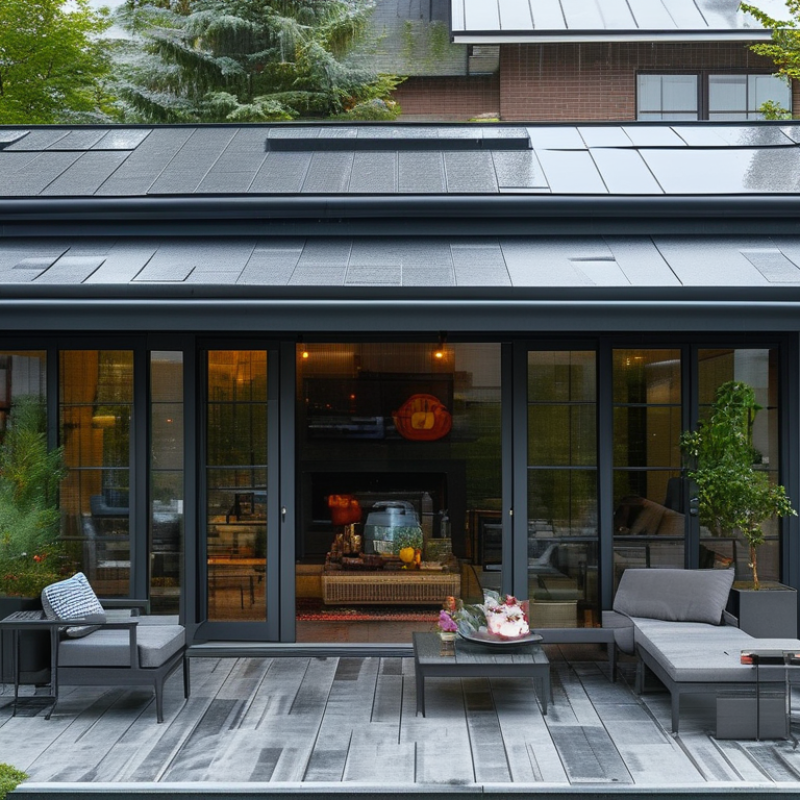
Table of Contents [Hide]
What Are Louvered Roof Panels and How Do They Work?
What Are Louvered Roof Panels and How Do They Work?
Louvered roof panels are adjustable slats fitted into an outdoor roof structure. They open or close to control sunlight, airflow, and rain. Most systems use powder-coated aluminum because it is light, rigid, and resistant to everyday weather exposure. A motor turns the slats through a remote control, wall switch, or smart controller. Some models include rain and wind sensors. The roof can close when clouds gather, keeping chairs and flooring drier.
When the louvers open, sunlight reaches the patio and warm air escapes through the gaps. When they close, overlapping slats form a protective surface. Rainwater usually flows into hidden channels, then travels through posts and exits near the ground. Good drainage matters. A small blockage can create dripping, staining, or standing water. Buyers should inspect channel size, outlet placement, and access for cleaning.
A practical check is to stand beneath a sample panel during operation. Listen for grinding or uneven movement. The motor should move steadily, without sudden pauses. Strong wind can still affect an open roof, so local wind conditions and structural anchoring deserve professional review. I would not treat a rain sensor as a complete maintenance plan. Leaves, dust, and ice may still interfere with movement. Installation quality often matters as much as the panel material, yet buyers sometimes focus only on appearance and price. That choice can become expensive later.