
- High-Performance Doors
-
- Applications
-
-
-
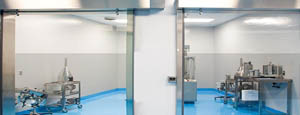
- Clean Room
Stainless steel or composite materials help maintain clean rooms.
-
-
- Coolers
Quick opening speeds & tight seals for temperature control.
-
-
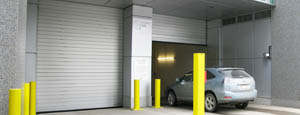
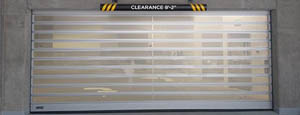
- Parking
Improve security & traffic flow and enhance architectural style.
-
-
- Hurricane Zone
Withstand winds up to 175 mph and comply with the Florida Building Code.
-
-
-
-
- USDA / FDA / cGMP
Increase productivity & address stringent USDA, FDA & cGMP requirements.
-
-
- Freezers
High-speed & perimeter seals minimize the air exchange between areas.
-
-
- Security
High speed & durability ensure secure access.
-
-
- Ventilation
Perforated or screen door panels allow improved air circulation.
-
-
-
-
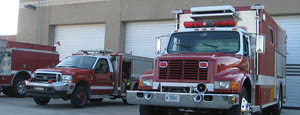
- Fire Station Emergency Response
When time is of the essence, high speed and reliability are crucial.
-
-
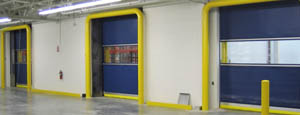
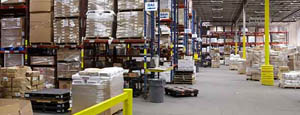
- Warehousing
Fast cycle times and secure seals keep environments separated.
-
-
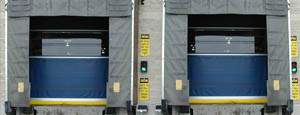
- Loading Dock
Rugged design & secure seal for oversized openings.
-
-
- Large Openings
Break-away functionality with rugged design seals oversized openings.
-
-
-
-
- Heavy Equipment
Withstands challenges of heavy equipment and fleet truck/car wash environments.
-
-
- Self-Storage
Fast opening speeds and reliable, durable construction keep facilities secure and protected.
-
-
- Industries
-
-
-
- Automotive Dealerships
Reduce energy costs, increase productivity and comfort and enhance customer perception.
-
-
- Cold Storage & Processing
Increase productivity and operational efficiency while reducing energy and maintenance costs.
-
-
- Parking
We offer solutions for Apartment / Condo & Loft, Standalone Parking Facilities and Office Buildings
-
-
-
-
- Food & Beverage
Doors specifically engineered for USDA/FDA and cGMP environments, and assured compliance for uncompromising performance.
-
-
- Mfg/Dist/Warehousing
A complete product line allows facilities to increase efficiency and safety and reduce maintenance and energy costs.
-
-
- Government
Ensure effective security and environmental controls are maintained for critical government operations.
-
-
-
-
- Transit
Keep operations running smoothly and efficient while reducing energy and maintenance costs.
-
-
- Pharma, Nutraceutical & Biotech
Doors that offer quick, secure access, environmental control and reliability for life science facilities.
-
-
- Support Resources
- Parts
- Contact Us
- Blog/News
- Why Rytec
- Sales Rep Locator
- Careers
- Dealers
- Architectural Resources


2026 Top Indoor Isolating Switch Suppliers?
Choosing the right Indoor Isolating Switch supplier in 2026 requires more than comparing catalog prices. Electrical contractors, panel builders, and facility engineers need dependable products for controlled isolation, maintenance safety, and long service life. A supplier’s experience should appear in practical details, such as clear terminal markings, stable operating handles, strong enclosure materials, and consistent contact pressure.
This guide examines leading suppliers through product quality, technical support, manufacturing capability, and delivery reliability. It considers ratings, pole configurations, installation methods, environmental protection, and compatibility with modern low-voltage systems. Independent certifications and test documentation also matter. They help buyers verify claims instead of trusting attractive brochures.
Real projects reveal the difference.
A switch may perform well in a clean factory but struggle in a humid plant room. After-sales response can matter as much as electrical performance. Suppliers that provide drawings, wiring guidance, replacement parts, and responsive engineering support deserve closer attention. However, no ranking is flawless. Product availability changes, regional service varies, and published specifications may not reflect every application.
Readers should confirm current datasheets and local installation requirements before purchasing. The best Indoor Isolating Switch supplier is not always the largest manufacturer. It is the partner that combines verified performance, suitable customization, transparent communication, and dependable support. This review offers a practical starting point for that decision, while leaving room for careful technical judgment.
Table of Contents [Hide]
What Is an Indoor Isolating Switch?
An indoor isolating switch is a manually operated device that disconnects an electrical circuit from its power source. It creates a clear separation for inspection, maintenance, or emergency access.
Unlike a circuit breaker, it is generally not designed to interrupt heavy fault current. That distinction matters. Many installation mistakes begin when users treat both devices as interchangeable.
The switch usually includes fixed contacts, moving contacts, an insulated enclosure, and a visible operating handle. When switched off, the contacts separate and reduce the risk of unexpected energization. Some models provide a lockable handle, helping prevent accidental operation during servicing.
A qualified electrician should verify the circuit is de-energized with suitable test equipment. Touching the handle alone proves nothing. Indoor units are intended for clean, protected spaces, not exposed outdoor conditions or damp industrial areas.
Selecting a suitable switch requires checking rated voltage, current, pole configuration, short-circuit conditions, enclosure protection, and installation space.
A compact distribution board may need a narrow design, while machinery can require stronger isolation and clear labeling. In practice, I would inspect terminal tightness and cable bending room before choosing a supplier.
Catalog ratings can look impressive. The installation details still decide performance. I have also seen labels become unreadable after years of heat and dust, so long-term visibility deserves attention.
The “best” supplier is not always the cheapest or most familiar; technical documentation, testing evidence, and responsive support should guide the decision.