
- High-Performance Doors
-
- Applications
-
-
-
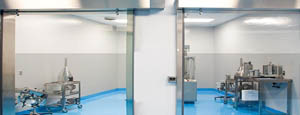
- Clean Room
Stainless steel or composite materials help maintain clean rooms.
-
-
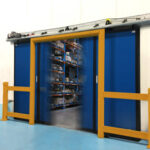
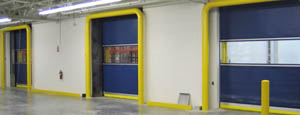
- Coolers
Quick opening speeds & tight seals for temperature control.
-
-
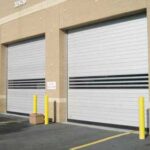
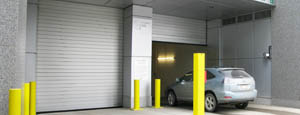
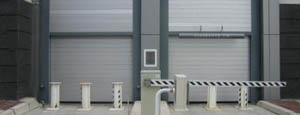
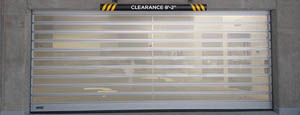
- Parking
Improve security & traffic flow and enhance architectural style.
-
-
- Hurricane Zone
Withstand winds up to 175 mph and comply with the Florida Building Code.
-
-
-
-
- USDA / FDA / cGMP
Increase productivity & address stringent USDA, FDA & cGMP requirements.
-
-
- Freezers
High-speed & perimeter seals minimize the air exchange between areas.
-
-
- Security
High speed & durability ensure secure access.
-
-
- Ventilation
Perforated or screen door panels allow improved air circulation.
-
-
-
-
- Fire Station Emergency Response
When time is of the essence, high speed and reliability are crucial.
-
-
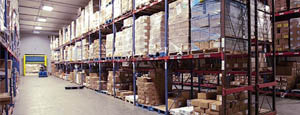
- Warehousing
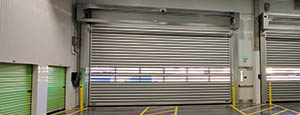
Fast cycle times and secure seals keep environments separated.
-
-
- Loading Dock
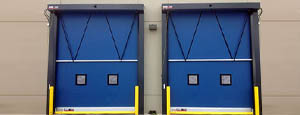
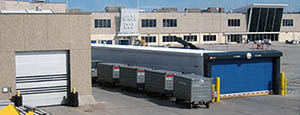
Rugged design & secure seal for oversized openings.
-
-
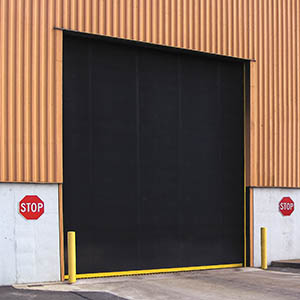
- Large Openings
Break-away functionality with rugged design seals oversized openings.
-
-
-
-
- Heavy Equipment
Withstands challenges of heavy equipment and fleet truck/car wash environments.
-
-
- Self-Storage
Fast opening speeds and reliable, durable construction keep facilities secure and protected.
-
-
- Industries
-
-
-
- Automotive Dealerships
Reduce energy costs, increase productivity and comfort and enhance customer perception.
-
-
- Cold Storage & Processing
Increase productivity and operational efficiency while reducing energy and maintenance costs.
-
-
- Parking
We offer solutions for Apartment / Condo & Loft, Standalone Parking Facilities and Office Buildings
-
-
-
-
- Food & Beverage
Doors specifically engineered for USDA/FDA and cGMP environments, and assured compliance for uncompromising performance.
-
-
- Mfg/Dist/Warehousing
A complete product line allows facilities to increase efficiency and safety and reduce maintenance and energy costs.
-
-
- Government
Ensure effective security and environmental controls are maintained for critical government operations.
-
-
-
-
- Transit
Keep operations running smoothly and efficient while reducing energy and maintenance costs.
-
-
- Pharma, Nutraceutical & Biotech
Doors that offer quick, secure access, environmental control and reliability for life science facilities.
-
-
- Support Resources
- Parts
- Contact Us
- Blog/News
- Why Rytec
- Sales Rep Locator
- Careers
- Dealers
- Architectural Resources











2026 Top Double Ended Dowel Pin Buying Guide and Tips?
In the realm of woodworking and manufacturing, the choice of tools and components is paramount. One essential item is the Double-Ended Dowel Pin. This versatile fastener provides strong joints and seamless assembly. According to industry expert Jane Smith, “The right dowel pin can transform the quality of your work.” Her insights underline the importance of selecting the proper tools for successful projects.
As we approach the 2026 market, understanding the nuances of Double-Ended Dowel Pins becomes critical. Different materials, sizes, and finishes can significantly impact performance. Many users overlook these details, favoring mere cost over quality. This can lead to frustrations in assembly and structural integrity.
Choosing the best Double-Ended Dowel Pin requires careful consideration. Are you familiar with the various types available? Many individuals mistakenly assume one size fits all. Reflecting on specific project needs is vital.
This buying guide aims to equip you with expert knowledge for informed decisions. Let's explore what you need to consider before purchasing these indispensable tools.
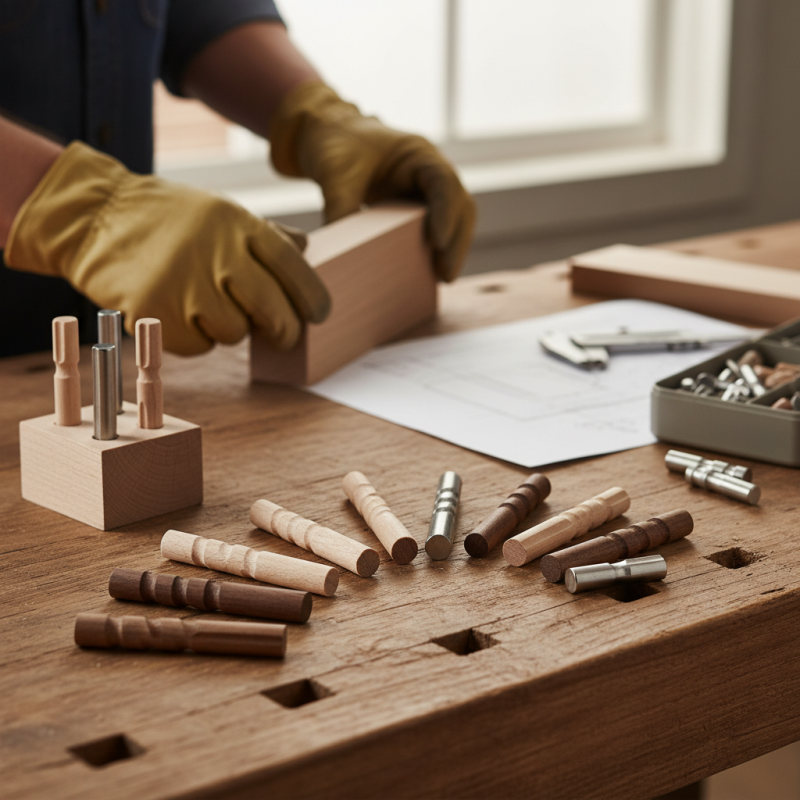
Table of Contents [Hide]
Understanding Double Ended Dowel Pins: An Overview
Double-ended dowel pins are essential fasteners in woodworking and metalworking. These pins are cylindrical, with a uniform diameter throughout. Their design allows for precise alignment of two components, aiding in proper assembly. The unique shape facilitates hidden joins, giving a cleaner finish to projects. Users often overlook the importance of quality materials. Low-quality pins may lead to misalignments and weaker joints.
Selecting the right dowel pin involves understanding their sizes and materials. Commonly used materials include steel and stainless steel. Each material has specific strengths and weaknesses. Steel offers strength but may corrode without proper treatment. Stainless steel provides excellent corrosion resistance, ideal for damp environments. However, it is more expensive.
When purchasing, consider the application and environment. Measure your components carefully. Dowels must fit snugly to prevent slippage. Misjudging sizes can lead to frustration. Take time to reflect on past experiences with dowel pins. Rushing often results in costly mistakes. Choosing the right dowel pin demands thoughtful consideration.