
- High-Performance Doors
-
- Applications
-
-
-
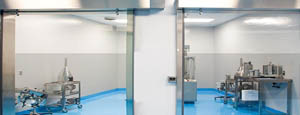
- Clean Room
Stainless steel or composite materials help maintain clean rooms.
-
-
- Coolers
Quick opening speeds & tight seals for temperature control.
-
-
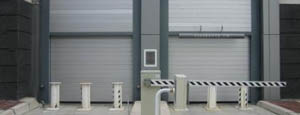
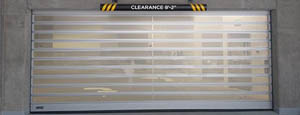
- Parking
Improve security & traffic flow and enhance architectural style.
-
-
- Hurricane Zone
Withstand winds up to 175 mph and comply with the Florida Building Code.
-
-
-
-
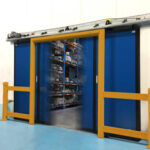
- USDA / FDA / cGMP
Increase productivity & address stringent USDA, FDA & cGMP requirements.
-
-
- Freezers
High-speed & perimeter seals minimize the air exchange between areas.
-
-
- Security
High speed & durability ensure secure access.
-
-
- Ventilation
Perforated or screen door panels allow improved air circulation.
-
-
-
-
- Fire Station Emergency Response
When time is of the essence, high speed and reliability are crucial.
-
-
- Warehousing
Fast cycle times and secure seals keep environments separated.
-
-
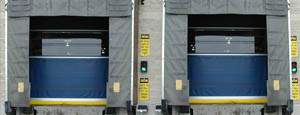
- Loading Dock
Rugged design & secure seal for oversized openings.
-
-
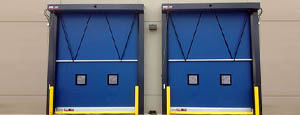
- Large Openings
Break-away functionality with rugged design seals oversized openings.
-
-
-
-
- Heavy Equipment
Withstands challenges of heavy equipment and fleet truck/car wash environments.
-
-
- Self-Storage
Fast opening speeds and reliable, durable construction keep facilities secure and protected.
-
-
- Industries
-
-
-
- Automotive Dealerships
Reduce energy costs, increase productivity and comfort and enhance customer perception.
-
-
- Cold Storage & Processing
Increase productivity and operational efficiency while reducing energy and maintenance costs.
-
-
- Parking
We offer solutions for Apartment / Condo & Loft, Standalone Parking Facilities and Office Buildings
-
-
-
-
- Food & Beverage
Doors specifically engineered for USDA/FDA and cGMP environments, and assured compliance for uncompromising performance.
-
-
- Mfg/Dist/Warehousing
A complete product line allows facilities to increase efficiency and safety and reduce maintenance and energy costs.
-
-
- Government
Ensure effective security and environmental controls are maintained for critical government operations.
-
-
-
-
- Transit
Keep operations running smoothly and efficient while reducing energy and maintenance costs.
-
-
- Pharma, Nutraceutical & Biotech
Doors that offer quick, secure access, environmental control and reliability for life science facilities.
-
-
- Support Resources
- Parts
- Contact Us
- Blog/News
- Why Rytec
- Sales Rep Locator
- Careers
- Dealers
- Architectural Resources




















2026 How to Choose Swiss Turning for Titanium Bone Screws?
Choosing the right Swiss turning partner for titanium bone screws requires more than comparing machine lists. In 2026, medical manufacturers need stable tolerances, clean production, and documented process control. Titanium alloys resist corrosion and support biocompatibility, but they can generate heat during machining. Poor cutting conditions may cause burrs, surface damage, or dimensional drift. These risks matter around threads, drive recesses, and sharp screw tips.
Experienced suppliers should explain how they manage titanium grades, tool wear, chip evacuation, and coolant control. Their Swiss-type lathes must hold concentricity across small diameters and long screw bodies. Ask for inspection records, material traceability, and evidence of repeatable production. Coordinate measuring machines, optical systems, and thread gauges can reveal defects that visual checks miss. A reliable supplier also understands cleaning, packaging, and communication with medical quality teams.
Swiss Turning Services For Titanium Bone Screws should be selected through practical evidence, not confident promises. Request sample parts, capability data, and a clear response plan for nonconforming pieces. A small burr can affect assembly. A slight thread variation can change insertion force. No process is flawless. Even a polished qualification package may hide an overlooked risk, especially during volume changes or tool replacement. This is why technical discussions should include actual drawings, tolerances, inspection methods, and production history. The best choice combines machining experience, medical manufacturing discipline, and honest review of process limitations. Reliability is demonstrated over repeated lots, not claimed in one meeting.
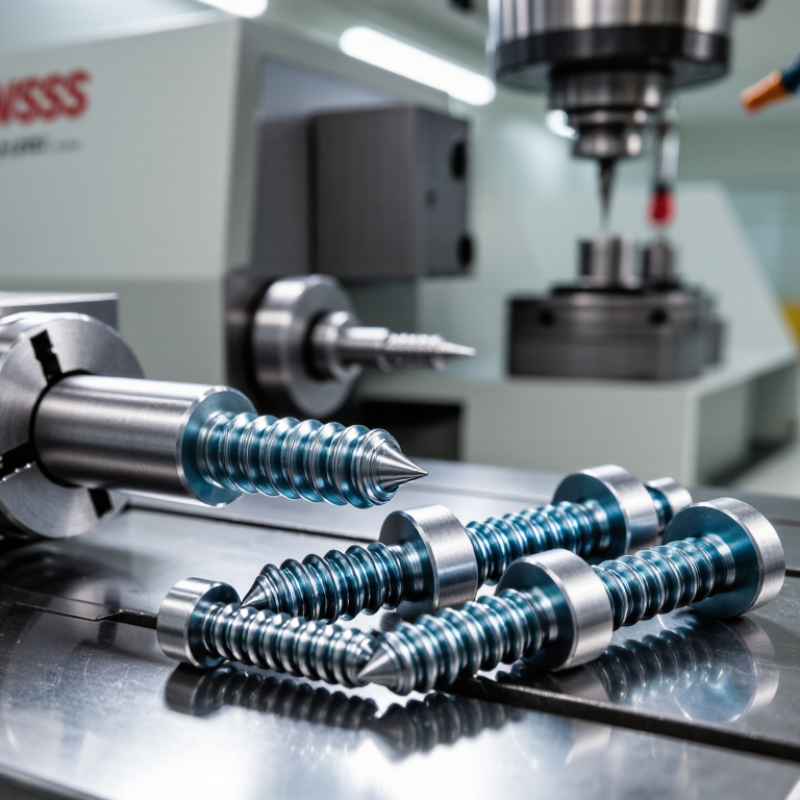
Table of Contents [Hide]
What Is Swiss Turning for Titanium Bone Screws?
Swiss turning for titanium bone screws is a precision machining method using a sliding-headstock CNC lathe. A guide bushing supports the titanium bar near the cutting zone. This reduces deflection during long, slender screw production. It also supports accurate threads, cannulation, and drive recesses.
Titanium creates practical challenges. Its low thermal conductivity concentrates heat at the cutting edge. It may also work-harden and produce stringy chips. Careful tool geometry, stable coolant delivery, and controlled cutting speed are essential.
In production, engineers often monitor tool wear, spindle load, burr formation, and thread dimensions. The target is not only a clean appearance. The screw must meet functional requirements under inspection.
A 2024 Grand View Research report estimated the global orthopedic devices market at about USD 47.8 billion in 2023, with continued growth expected through 2030. That expansion increases pressure for repeatable, traceable machining. ASTM F136 titanium alloy and ISO 13485 quality systems provide useful reference points for material and process control.
Still, Swiss turning is not automatically the best choice. Complex head designs, unstable bar stock, or poor chip evacuation can weaken its advantages. A fast cycle can still hide microscopic burrs. That deserves reflection. Final inspection should include dimensional checks, surface evaluation, and documented process validation.