
- High-Performance Doors
-
- Applications
-
-
-
- Clean Room
Stainless steel or composite materials help maintain clean rooms.
-
-
- Coolers
Quick opening speeds & tight seals for temperature control.
-
-
- Parking
Improve security & traffic flow and enhance architectural style.
-
-
- Hurricane Zone
Withstand winds up to 175 mph and comply with the Florida Building Code.
-
-
-
-
- USDA / FDA / cGMP
Increase productivity & address stringent USDA, FDA & cGMP requirements.
-
-
- Freezers
High-speed & perimeter seals minimize the air exchange between areas.
-
-
- Security
High speed & durability ensure secure access.
-
-
- Ventilation
Perforated or screen door panels allow improved air circulation.
-
-
-
-
- Fire Station Emergency Response
When time is of the essence, high speed and reliability are crucial.
-
-
- Warehousing
Fast cycle times and secure seals keep environments separated.
-
-
- Loading Dock
Rugged design & secure seal for oversized openings.
-
-
- Large Openings
Break-away functionality with rugged design seals oversized openings.
-
-
-
-
- Heavy Equipment
Withstands challenges of heavy equipment and fleet truck/car wash environments.
-
-
- Self-Storage
Fast opening speeds and reliable, durable construction keep facilities secure and protected.
-
-
- Industries
-
-
-
- Automotive Dealerships
Reduce energy costs, increase productivity and comfort and enhance customer perception.
-
-
- Cold Storage & Processing
Increase productivity and operational efficiency while reducing energy and maintenance costs.
-
-
- Parking
We offer solutions for Apartment / Condo & Loft, Standalone Parking Facilities and Office Buildings
-
-
-
-
- Food & Beverage
Doors specifically engineered for USDA/FDA and cGMP environments, and assured compliance for uncompromising performance.
-
-
- Mfg/Dist/Warehousing
A complete product line allows facilities to increase efficiency and safety and reduce maintenance and energy costs.
-
-
- Government
Ensure effective security and environmental controls are maintained for critical government operations.
-
-
-
-
- Transit
Keep operations running smoothly and efficient while reducing energy and maintenance costs.
-
-
- Pharma, Nutraceutical & Biotech
Doors that offer quick, secure access, environmental control and reliability for life science facilities.
-
-
- Support Resources
- Parts
- Contact Us
- Blog/News
- Why Rytec
- Sales Rep Locator
- Careers
- Dealers
- Architectural Resources


























2026 Best Industrial Printing Systems for Global Buyers
Industrial Printing Systems are becoming strategic assets for factories, converters, and global product manufacturers. Buyers now expect faster changeovers, sharper traceability, lower waste, and stable performance across demanding production environments. Smithers’ Future of Global Printing to 2028 identifies digitalization, shorter runs, personalization, and sustainability as major forces reshaping print production. These pressures are visible on factory floors, where a missed barcode or blurred serial number can stop an entire shipment.
Market research from Grand View Research also points to continued growth in industrial printing, supported by packaging, electronics, automotive, and direct-to-product applications. Yet growth does not make every machine a sensible investment. Some systems appear efficient during demonstrations but struggle with dust, uneven substrates, temperature changes, or continuous operation. That difference matters. A system printing clean marks at 600 dpi may still fail when production speeds increase.
This 2026 guide compares leading Industrial Printing Systems for global buyers. It considers print quality, uptime, ink or toner costs, substrate compatibility, automation, service access, and regulatory documentation. Reports from PMMI and the International Data Corporation also emphasize connected equipment, predictive maintenance, and data visibility as important manufacturing priorities. However, technology claims deserve practical verification. Ask for production samples, maintenance records, total cost estimates, and references from similar facilities. No ranking can fit every factory. A careful buyer should challenge impressive specifications, including those presented in this guide. Real performance is often decided beside the conveyor, not inside the showroom.
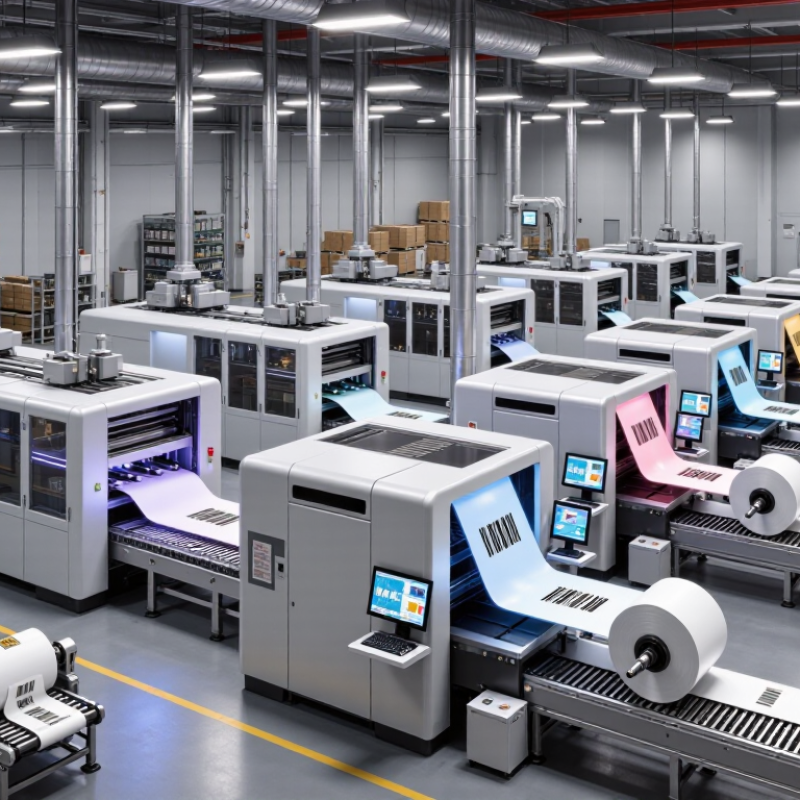
Table of Contents [Hide]
Industrial Printing Systems: Definition, Scope, and Core Functions
2026 Best Industrial Printing Systems for Global Buyers
Industrial printing systems are production tools that apply text, codes, graphics, or functional layers to products and materials. They support packaging, electronics, building materials, textiles, and manufactured parts. Their scope includes digital, inkjet, screen, thermal, and hybrid processes. Each system combines print hardware, software controls, drying units, inspection tools, and material handling.
Core functions include accurate image placement, repeatable color control, variable data printing, and high-speed production. In factory evaluations, operators often check nozzle stability, substrate compatibility, cleaning access, and waste levels. A reliable system should maintain readable codes on uneven cartons or dusty plastic surfaces. It must also connect with production databases and quality records. Small integration gaps can cause major delays. No system is perfect.
Tips: Define the material, print width, speed, resolution, and environmental conditions before requesting quotations. Test real samples, not only supplier demonstrations. Ask for maintenance procedures, spare-part availability, operator training, and documented performance data. Buyers should also verify electrical standards, safety requirements, language support, and service coverage in the destination market. A careful trial can reveal problems hidden by ideal factory conditions.