
- High-Performance Doors
-
- Applications
-
-
-
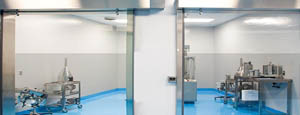
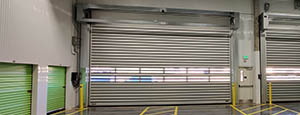
- Clean Room
Stainless steel or composite materials help maintain clean rooms.
-
-
- Coolers
Quick opening speeds & tight seals for temperature control.
-
-
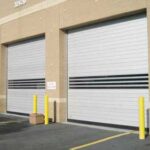
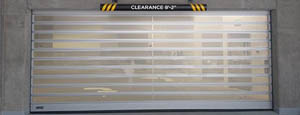
- Parking
Improve security & traffic flow and enhance architectural style.
-
-
- Hurricane Zone
Withstand winds up to 175 mph and comply with the Florida Building Code.
-
-
-
-
- USDA / FDA / cGMP
Increase productivity & address stringent USDA, FDA & cGMP requirements.
-
-
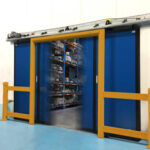
- Freezers
High-speed & perimeter seals minimize the air exchange between areas.
-
-
- Security
High speed & durability ensure secure access.
-
-
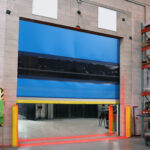
- Ventilation
Perforated or screen door panels allow improved air circulation.
-
-
-
-
- Fire Station Emergency Response
When time is of the essence, high speed and reliability are crucial.
-
-
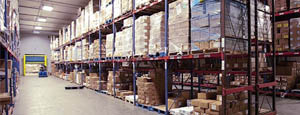
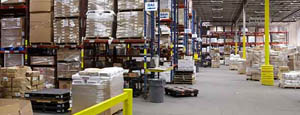
- Warehousing
Fast cycle times and secure seals keep environments separated.
-
-
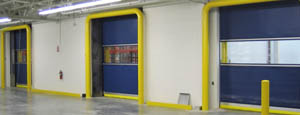
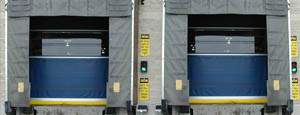
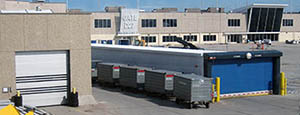
- Loading Dock
Rugged design & secure seal for oversized openings.
-
-
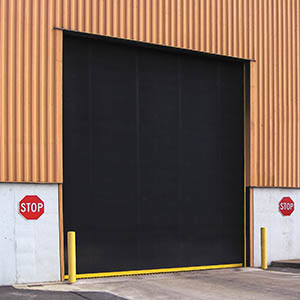
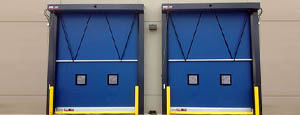
- Large Openings
Break-away functionality with rugged design seals oversized openings.
-
-
-
-
- Heavy Equipment
Withstands challenges of heavy equipment and fleet truck/car wash environments.
-
-
- Self-Storage
Fast opening speeds and reliable, durable construction keep facilities secure and protected.
-
-
- Industries
-
-
-
- Automotive Dealerships
Reduce energy costs, increase productivity and comfort and enhance customer perception.
-
-
- Cold Storage & Processing
Increase productivity and operational efficiency while reducing energy and maintenance costs.
-
-
- Parking
We offer solutions for Apartment / Condo & Loft, Standalone Parking Facilities and Office Buildings
-
-
-
-
- Food & Beverage
Doors specifically engineered for USDA/FDA and cGMP environments, and assured compliance for uncompromising performance.
-
-
- Mfg/Dist/Warehousing
A complete product line allows facilities to increase efficiency and safety and reduce maintenance and energy costs.
-
-
- Government
Ensure effective security and environmental controls are maintained for critical government operations.
-
-
-
-
- Transit
Keep operations running smoothly and efficient while reducing energy and maintenance costs.
-
-
- Pharma, Nutraceutical & Biotech
Doors that offer quick, secure access, environmental control and reliability for life science facilities.
-
-
- Support Resources
- Parts
- Contact Us
- Blog/News
- Why Rytec
- Sales Rep Locator
- Careers
- Dealers
- Architectural Resources












2026 Best HVAC Filter Drier for Global Buyers
Choosing the 2026 best HVAC Filter Drier requires more than comparing prices or catalog photos. Global buyers must examine refrigerant compatibility, connection size, pressure rating, desiccant capacity, and documented performance. A small component can protect an expensive compressor from moisture, acid, wax, and damaging particles. It can also become a restriction when selected carelessly.
Rajan Rajendran, a recognized Emerson refrigeration specialist, explains the practical role clearly: “A filter drier is not just a moisture trap; it is part of system protection.” This principle matters in supermarkets, cold rooms, transport refrigeration, and residential heat pumps. The right product should match the system’s refrigerant, oil type, operating temperature, and expected service conditions. Look for reliable laboratory data, traceable manufacturing, and clear installation guidance. Certifications and regional availability also deserve attention, especially for buyers managing different markets.
Real-world selection is rarely perfect. A drier that performs well in a mild warehouse may struggle in a humid coastal installation. Oversizing is not always safer. Neither is choosing the cheapest option. Field technicians should confirm flow direction, brazing practices, pressure testing, and replacement timing. These details are easy to overlook.
This guide compares leading HVAC Filter Drier options for global buyers in 2026. It considers technical protection, service experience, supply consistency, and total ownership value. Some conclusions may change as refrigerants and regulations evolve. That uncertainty matters. A dependable decision leaves room for verification, not assumptions.
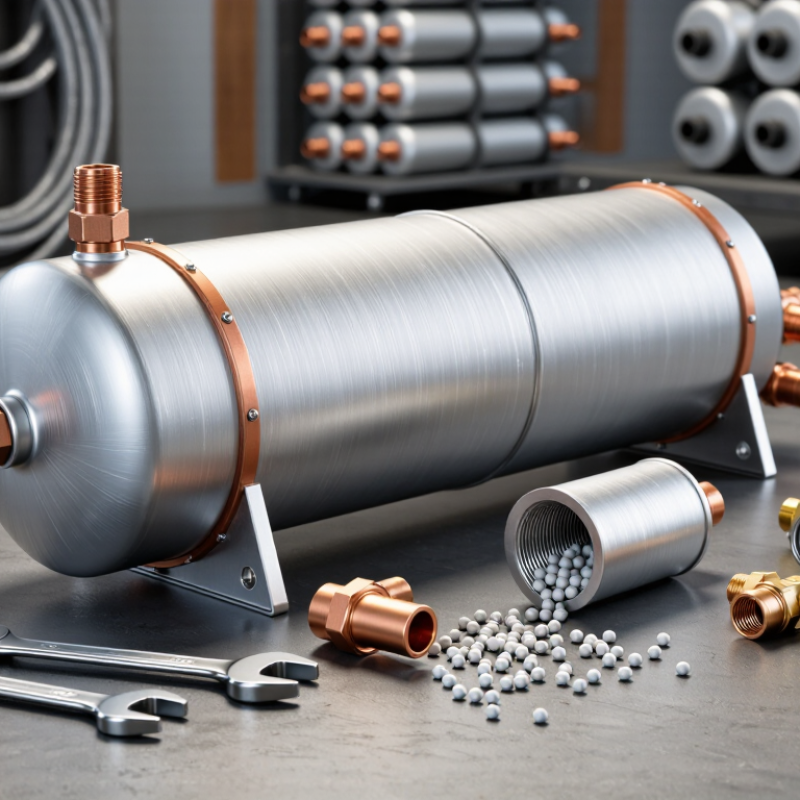
Table of Contents [Hide]
What an HVAC Filter Drier Does in a Refrigeration System
What an HVAC Filter Drier Does in a Refrigeration System
An HVAC filter drier is a small component with a critical job. It sits in the liquid line, where refrigerant flows toward the expansion device. Its desiccant captures moisture inside the sealed system. It also traps acids, metal particles, and installation debris. Moisture can freeze near the expansion device, restricting refrigerant flow. Acids may damage compressor windings over time. In field service, a clean filter drier often supports stable cooling and longer equipment life. Still, it cannot fix poor evacuation or contaminated refrigerant.
The drier also protects the compressor from harmful particles. When its internal filter becomes blocked, pressure drop can increase. Technicians may notice reduced cooling, abnormal temperature differences, or unusual system behavior. Replacement should follow the equipment maker’s service requirements and the refrigerant’s pressure conditions. Global buyers should verify refrigerant compatibility, connection size, flow direction, pressure rating, and operating temperature. A larger shell is not automatically better. Selecting by pipe size alone can create problems. I have seen small installation details cause expensive callbacks.
Tips: Install the arrow in the correct refrigerant-flow direction. Keep caps on until connection. Braze with controlled heat and protect nearby parts. Evacuate the system properly before charging. Check for leaks afterward. Do not treat the drier as a cure-all. Its performance depends on clean installation, correct sizing, and timely replacement.